0800 994 9026
enquiries@foam-away.com

Spray Foam Removal in Southampton

Professional Spray Foam Removal in Southampton

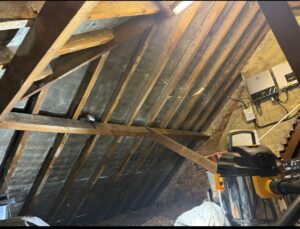
Removing spray foam insulation is considerably more involved than taking conventional loft insulation out of a property. Spray foam bonds to the surfaces onto which it has been applied, which can include roof timbers, felt and other areas within the roof space.

As a result, careful removal is important.

Foam Away specialises in removing spray foam insulation from loft and roof spaces. The process begins by assessing the property and identifying the type of foam present before the insulation is carefully removed.

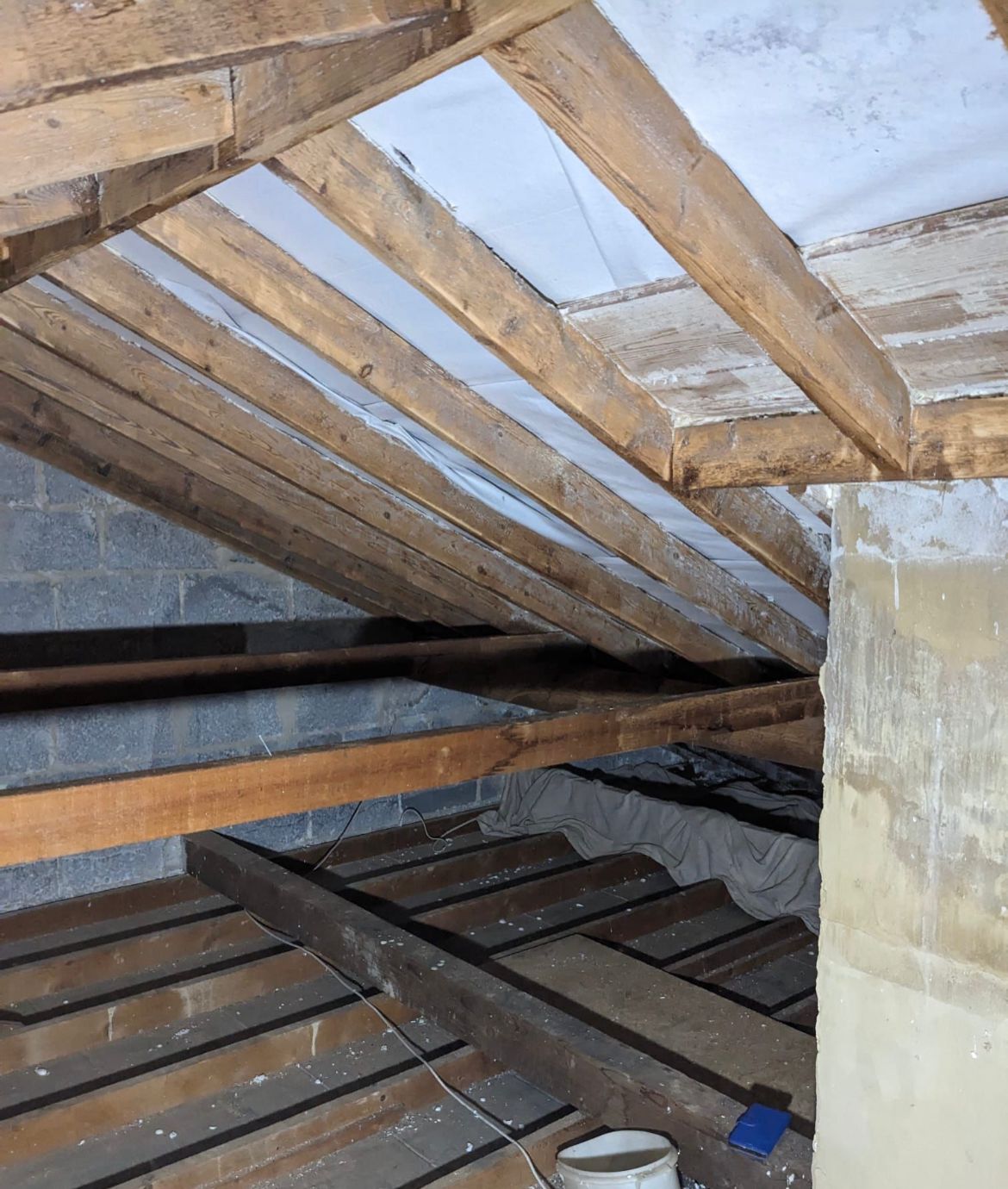
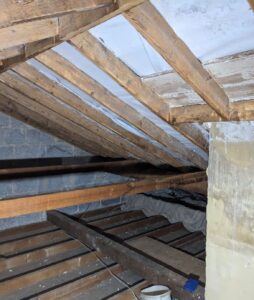
Once removed, previously concealed areas of the roof structure can be inspected more easily. This can be particularly important when a surveyor, buyer or mortgage lender requires greater visibility of the roof.

If you need spray foam insulation removal in Southampton, contact Foam Away to discuss your property and request a quotation.

Why Might You Need Spray Foam Removed?

There is no single reason why a Southampton homeowner might consider spray foam removal.

In some properties, concerns arise because the insulation makes it difficult to inspect the roof timbers and other parts of the roof structure. Spray foam can conceal areas that a surveyor may otherwise wish to examine.

Foam Away also identifies moisture retention, poor installation and deterioration as potential reasons why spray foam may require further investigation.

For other homeowners, the issue only becomes apparent when they decide to sell or remortgage their property. Some mortgage lenders and surveyors can raise concerns about spray foam insulation, although individual requirements vary between lenders and properties.

Importantly, the presence of spray foam does not automatically mean that a roof is damaged. A professional assessment can provide greater clarity about the particular circumstances of your property.

spray foam removal

What Does Spray Foam Removal Involve?

Every property is different. Therefore, Foam Away begins the spray foam removal process by assessing the property rather than making assumptions about the condition of the roof.

First, we assess the loft and roof space. We identify the type of spray foam present and determine what the removal process will involve.

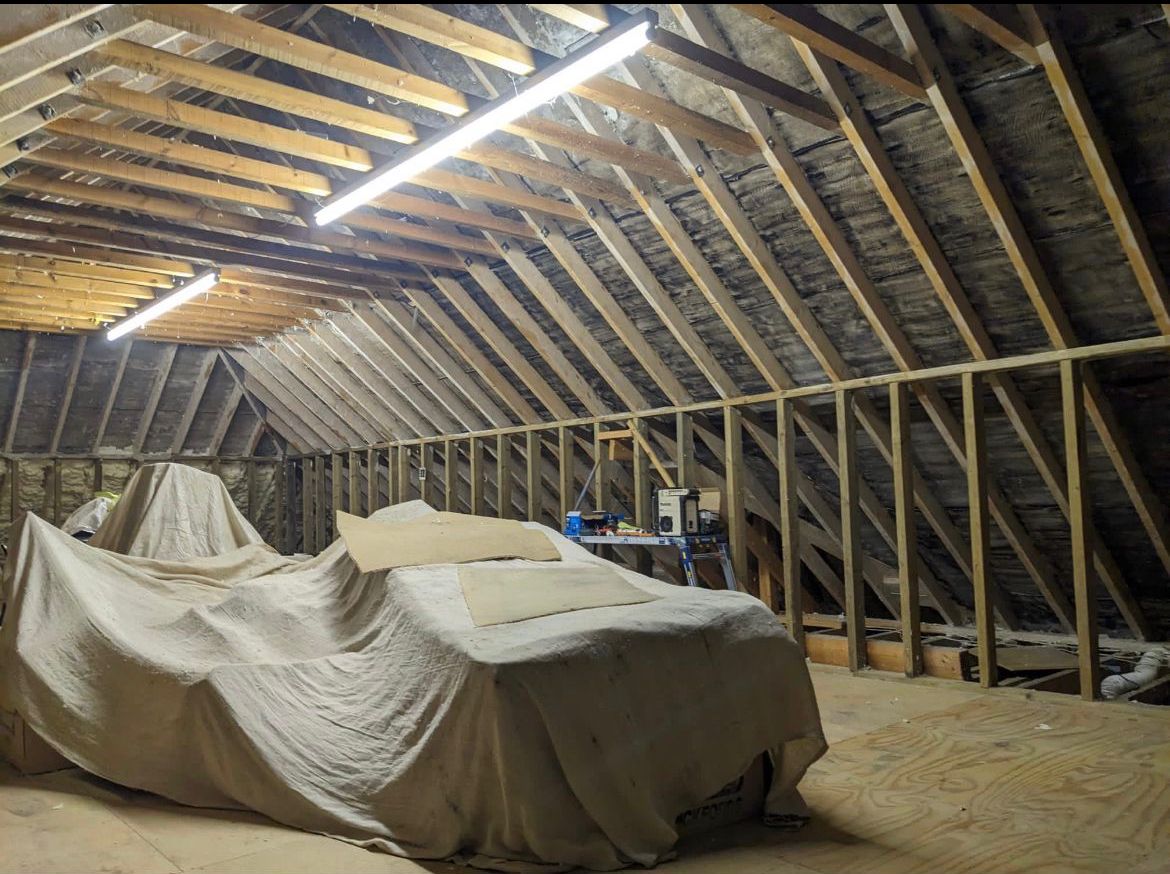
Next, we carefully separate the foam from the surfaces to which it has bonded. Once we remove the insulation, previously covered areas of the roof structure become easier to inspect.

The time required will depend on several factors. These include the size and accessibility of the loft, the type of foam and how it was originally applied. Foam Away advises that removal from a typical UK home commonly takes between two and five working days. However, more complex projects may take longer.

Spray Foam Removal Before Selling or Remortgaging

A property survey, mortgage application or proposed sale may bring existing spray foam insulation to your attention. If this happens, dealing with the issue promptly may help you understand what action you need to take next.

However, mortgage lenders can have different requirements. Therefore, you should establish what your particular lender requires rather than assume that every lender will take the same approach.

Professional spray foam removal can expose areas of the roof that the insulation previously concealed. As a result, surveyors and other relevant professionals can inspect the roof structure more clearly.

If someone has advised you to remove spray foam from your Southampton property, contact Foam Away. We can assess the existing insulation, discuss your circumstances and explain the removal options available.

spray foam removal

Why Choose Foam Away in Southampton?

Foam Away specialises in professional spray foam removal. We support customers throughout the process, from the initial conversation and survey to removal and aftercare.

With a decade of experience, our team understands how to approach spray foam removal carefully and professionally. We provide prompt surveys and detailed reports before carrying out the required removal work. Where necessary, we can also discuss replacement insulation and roofing solutions.

However, every property is different. Therefore, we do not make assumptions about your roof simply because it contains spray foam. Instead, we assess your property and consider why you want the insulation removed.

If you need professional spray foam removal in Southampton, contact Foam Away. We can discuss your property, answer your questions and arrange a free consultation.

Conclusion

If spray foam insulation has become a concern in your Southampton property, Foam Away can help you decide what to do next.

Perhaps a surveyor has raised concerns about the insulation. Alternatively, you may be selling your home, applying for a mortgage or simply want better access to the roof structure. Whatever the reason, professional removal can help expose previously covered areas for closer inspection.

Foam Away provides professional spray foam removal in Southampton. First, we assess your property and existing insulation. We can then explain the removal process and provide a quotation for the required work.

Therefore, if you are considering spray foam removal in Southampton, contact Foam Away today. Arrange your free consultation and speak to our team about your property.

spray foam removal

Frequently Asked Questions

Can spray foam insulation be removed?

Yes. Spray foam insulation can be professionally removed from loft and roof spaces. As the material can bond closely to surrounding surfaces, specialist removal helps ensure the work is approached carefully.

Will removing spray foam help with a mortgage?

This depends on the mortgage lender and the individual property. Some lenders and surveyors raise concerns about spray foam because it can restrict inspection of the underlying roof structure. If a lender has raised an issue, it is sensible to establish exactly what they require before proceeding.

How long does spray foam removal take?

Foam Away advises that a typical domestic removal commonly takes between two and five working days. The actual time will depend on the size of the roof, accessibility, foam type and condition of the underlying structure.

Spray Foam Removal in Dorchester

Professional Spray Foam Removal in Dorchester

Removing spray foam insulation requires considerable care. The material can adhere firmly to roof timbers and other surfaces, so simply attempting to pull it away without the correct knowledge or equipment could cause unnecessary damage.

Foam Away specialises in removing spray foam from lofts and roof spaces. The team carefully exposes the areas previously covered by the insulation, helping to make the roof structure accessible for further assessment where required.

Every property is different, which is why the first step should be to establish what type of spray foam you have and understand the condition of the roof space.

If you are concerned about spray foam insulation in your Dorchester property, Foam Away offers free consultations and quotations to help you understand the next steps.

Why Might You Need Spray Foam Insulation Removed?

There are several reasons why homeowners choose professional spray foam removal.

One of the most common concerns relates to mortgages and property sales. Spray foam can create complications during surveys and lending checks because it may prevent a surveyor from properly examining parts of the roof structure. This can affect buyer confidence and potentially delay a property transaction while further investigation takes place.

There can also be concerns about moisture. Foam Away explains that open cell spray foam can absorb and retain moisture, potentially trapping water around the roof structure. Poor installation may also result in gaps, uneven coverage or concealed areas that require further attention.

Professional removal allows the underlying roof structure to become visible again, making it easier to identify its condition and determine whether any additional work is necessary.

spray foam removal

Spray Foam Removal Before Selling or Remortgaging

Discovering that spray foam insulation could complicate a sale or remortgage can be frustrating, particularly if you were unaware that it might cause an issue.

However, it is important to approach the situation carefully rather than assuming that removing the foam will automatically resolve every mortgage or property sale concern. Requirements can differ between lenders, surveyors and individual properties.

Foam Away can remove the spray foam professionally and expose the roof structure for inspection. Once the material has been removed, relevant professionals can assess the previously concealed areas more effectively.

If a survey has highlighted spray foam insulation in your Dorchester home, contact Foam Away to discuss professional removal and request a free quotation.

What Happens After Spray Foam Removal?

Removing existing spray foam does not necessarily mean your loft must remain without insulation.

Foam Away provides replacement insulation options including Rockwool and SuperFOIL. The company also offers roofing solutions where additional work is required.

The appropriate solution will depend on your property, the condition of the existing roof space and your individual requirements. Foam Away can discuss the available options following an assessment rather than recommending a generic solution for every home.

spray foam removal

Why Choose Foam Away?

Foam Away focuses specifically on spray foam removal and related insulation solutions. The company has a decade of experience and provides an end to end service covering the initial enquiry, consultation, removal and aftercare.

For homeowners in Dorchester, this means you can speak directly with specialists who understand the practical issues associated with removing spray foam from roof spaces.

Professional Spray Foam Removal in Dorchester

If you have spray foam insulation in your Dorchester property and need it professionally removed, Foam Away can help. Whether you are preparing to sell your home, considering a remortgage or simply want the roof structure properly exposed for inspection, arranging specialist removal can give you a clearer way forward.

Foam Away provides careful spray foam removal alongside professional advice on the next steps for your property. Every roof space is different, so the team will assess your individual circumstances before recommending the most suitable approach.

For professional spray foam removal in Dorchester, contact Foam Away today  to arrange your free consultation and quotation.

spray foam removal

Frequently Asked Questions

How much does spray foam removal cost in Dorchester?

The cost will depend on factors such as the amount of spray foam present, the size and accessibility of the roof space and the work required to remove it. Foam Away provides free consultations and quotations, allowing you to receive a price based on your individual property.

Can spray foam insulation affect a mortgage?

Spray foam can create complications during mortgage lending checks and property surveys because it may conceal parts of the roof structure. However, individual lender requirements vary, so removal should not be viewed as a guarantee of mortgage approval.

Does all spray foam insulation need to be removed?

Not every property will present exactly the same circumstances. If you are concerned about existing spray foam, arrange a professional assessment so you can understand the condition of the insulation and your options.

Can Spray Foam Be Removed While I’m at Home?

Can You Stay at Home During Spray Foam Removal?

You may be able to stay at home while contractors remove spray foam from your loft. However, the answer depends on the nature of the work and your property.

Spray foam removal is a practical process that involves working carefully around the roof structure. As a result, you should expect some noise and disruption while the work takes place.

You will also need to keep the working area clear. Contractors may require regular access through your home to reach the loft. Therefore, you should consider how this will affect your normal routine.

Before the work begins, Foam Away can discuss the removal process with you. This gives you an opportunity to ask questions and decide whether remaining at home will be practical.

What Happens During Professional Spray Foam Removal?

Professional spray foam removal involves carefully removing the insulation from the areas where it has been applied.

Spray foam is often installed between roof timbers and directly against roofing materials. Consequently, removal can require considerable care.

The exact approach will depend on your property and the type of installation present. A professional assessment can help establish the extent of the work before removal starts.

Rather than attempting to remove the material yourself, you can arrange professional spray foam insulation removal. This gives you a clearer understanding of what work is required and how the removal will affect your home.

If you are considering professional spray foam removal, contact Foam Away to discuss your property and request a quotation.

spray foam removal

How Disruptive Is Spray Foam Removal?

Removing spray foam is not completely free from disruption. However, understanding what to expect can make the process easier to plan around.

Several factors can influence the level of disruption.

Noise During Removal

You should expect some noise while contractors work in your loft.

The level of noise will depend on the removal required and where the insulation sits within the roof. If you work from home or need a particularly quiet environment during the day, you may prefer to make alternative arrangements.

However, this does not necessarily mean you need to leave your property for the entire project.

Ask the removal team what you can expect before work starts. You can then decide what will work best for you and your household.

spray foam removal

Dust and Debris

Removing insulation can create dust and debris within the working area.

Professional contractors should manage the working environment carefully. However, it remains sensible to keep away from the loft and any areas being used for the removal process.

If contractors need to move through part of your home to reach the loft, keeping the route clear can also make the work easier.

Access to Your Loft

Your removal team will need suitable access to the loft.

Therefore, you may need to move belongings away from the loft hatch before work begins. Contractors may also need space around stairs, landings or hallways, depending on the layout of your property.

Good access can make the removal process more straightforward.

Before your appointment, ask Foam Away whether you need to prepare any particular areas. This allows you to make the necessary arrangements in advance.

spray foam removal

Do I Need to Leave the Room Below the Loft?

Whether you need to avoid particular rooms will depend on the property and the work taking place.

In some homes, the loft hatch may sit above a landing or hallway. In others, contractors may need to access the loft through a bedroom or another regularly used space.

For practical reasons, you may need to keep certain areas clear while removal takes place.

This does not automatically mean you need to leave your entire home. Instead, you may simply need to avoid the immediate working area.

Your removal team can explain any access restrictions before starting work.

What About Ventilation During Spray Foam Removal?

Ventilation is another practical consideration during spray foam insulation removal.

The requirements will depend on the property, the material present and the work being completed. Therefore, it is important to follow the advice given by the professionals carrying out the removal.

Avoid making assumptions about whether windows should remain open or which areas of the property you can use.

Instead, discuss ventilation and access with your removal team before work begins. They can advise you based on the circumstances within your home.

spray foam removal

How Long Does Spray Foam Removal Take?

There is no single timescale that applies to every spray foam removal project.

Several factors can affect how long the work takes. These include the size of the loft, the amount of spray foam present, where it has been applied and how easily contractors can reach it.

A relatively straightforward project may naturally differ from a loft containing a large amount of insulation across a complicated roof structure.

Access can also influence the process. A spacious loft with straightforward access may present different challenges from a restricted roof space.

For this reason, a professional assessment is valuable.

Foam Away can assess your property and discuss the work involved before you commit to the removal. Contact the team to arrange an assessment and request a quotation for your property.

Should I Work From Home During Spray Foam Removal?

You may be able to work from home, but consider the potential noise and movement around your property.

If your workspace sits directly beneath the loft, the removal process could become distracting. Likewise, contractors may need to move through hallways or other areas close to where you work.

If you have important calls or meetings, you may find it easier to work elsewhere while the busiest stages of removal take place.

However, every home is different. Ask the removal team about the expected disruption so you can plan your working day accordingly.

spray foam removal

How Should I Prepare My Home for Spray Foam Removal?

A little preparation can help make the process more straightforward.

Start by ensuring that contractors can reach the loft hatch easily. Remove boxes, furniture or other belongings that could restrict access.

You may also need to clear items from the loft itself. Ask the removal team what they require rather than moving everything unnecessarily.

In addition, consider your routine during the work. If you have children or pets at home, think about how you can keep them away from the working area.

Most importantly, speak to Foam Away before the appointment. Understanding what the team needs from you can help you prepare properly.

Why Arrange Professional Spray Foam Removal?

Spray foam can sit close to important parts of your roof structure. Therefore, removal requires patience and care.

Attempting to remove spray foam yourself can also turn into a much larger task than expected. What appears to be a straightforward area of insulation may extend into difficult spaces or sit firmly against roofing materials.

Professional spray foam removal gives you access to a team that understands the removal process.

It also allows you to discuss practical questions before the work starts. This includes whether you can remain at home, which areas you should avoid and what preparation is necessary.

If you want to remove spray foam from your loft, arranging an assessment is a sensible first step.

spray foam removal

What Happens After the Spray Foam Has Been Removed?

Once the removal work is complete, you can regain normal access to the affected area when the team advises that it is appropriate to do so.

The exact circumstances will depend on the work carried out and the condition of the loft.

This is another reason to choose a professional removal company. You can ask questions throughout the process and understand what has been done rather than attempting a difficult removal yourself.

If you are unsure what your property will require, Foam Away can discuss the process with you before work begins.

Why Choose Foam Away for Spray Foam Removal?

If you are considering spray foam removal, choosing the right company is an important part of the process.

Foam Away specialises in spray foam insulation removal and supports homeowners across the South Coast.

Every property presents different circumstances. Therefore, the first step should be understanding what is present in your loft and what will be required to remove it.

Foam Away can discuss your property, assess the work required and provide a quotation for professional removal.

You will also have an opportunity to ask practical questions before work starts. For example, you can discuss whether you can remain at home, how contractors will access the loft and what you should do to prepare.

If spray foam insulation is causing concerns within your property, contact Foam Away to discuss professional removal.

spray foam removal

Conclusion

Spray foam removal does not always mean you need to leave your home. In many cases, you may be able to remain in the property while the work takes place. However, this will depend on the amount of spray foam, where it has been installed and the level of access required.

Before arranging removal, it is important to understand exactly what the work will involve. A professional assessment can establish the extent of the spray foam and help you prepare for any noise, dust or temporary disruption.

Foam Away provides professional spray foam removal for homeowners across the South Coast. Our team can assess your property, explain the removal process and advise you on what to expect while the work takes place.

If you are ready to have spray foam insulation professionally removed from your property, contact Foam Away today to discuss your requirements and request a quotation.

spray foam removal

Frequently Asked Questions About Spray Foam Removal

Can I Stay in My House While Spray Foam Is Removed?

You may be able to remain at home while spray foam is removed. However, this depends on your property and the extent of the work. Speak to the removal team beforehand so they can advise you based on your individual circumstances.

Is Spray Foam Removal Noisy?

You should expect some noise while contractors work in your loft. The amount of disruption will depend on the removal work required. If you work from home, ask what level of noise you can expect before arranging your day.

Do I Need to Empty My Loft Before Spray Foam Removal?

You may need to move belongings to provide safe and practical access to the areas where contractors need to work. Ask Foam Away what needs to be cleared before your appointment.

Can I Use My Loft During Spray Foam Removal?

You should avoid entering the loft while removal work is taking place. Contractors need sufficient space to work, and keeping the area clear can help the process run more smoothly.

Can Spray Foam Cause Mould in a Loft?

Can Spray Foam Cause Mould in a Loft?

Spray foam itself does not automatically cause mould. Mould needs moisture and suitable conditions to grow.

However, some spray foam installations can contribute to moisture problems. For example, foam applied beneath a roof may alter airflow through the loft. If the installation restricts ventilation, moist air may struggle to escape.

This can become particularly noticeable during colder weather.

Everyday activities such as cooking, showering and washing create moisture inside your home. Warm air can carry this moisture upwards into the loft. When it reaches a cold surface, the water vapour can turn into condensation.

Therefore, your roof space needs to manage moisture effectively. Good ventilation helps moist air escape. Without sufficient airflow, surfaces can remain damp for longer. In turn, these conditions can encourage mould growth.

However, every property is different. The roof design, type of spray foam, installation quality and existing ventilation can all affect how a roof performs.

Why Can Mould Develop in a Loft With Spray Foam?

Mould rarely has one simple cause. Instead, several issues can contribute to excess moisture within a loft.

Understanding these causes can help you determine whether your spray foam requires professional attention.
spray foam removal

Restricted Roof Ventilation

Ventilation allows moisture to escape before it settles on colder surfaces.

However, some spray foam installations may obstruct existing ventilation routes. Consequently, humid air can remain within the loft for longer.

Repeated exposure to moisture can then create favourable conditions for mould. Over time, persistent damp may also affect vulnerable materials within the roof space.

Therefore, you should investigate ventilation if you notice mould or condensation after having spray foam installed.

Condensation and Trapped Moisture

Condensation develops when warm, moist air reaches a cold surface.

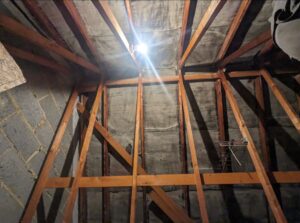
Within a loft, condensation can form on roof timbers, roofing membranes and other cold surfaces. The problem often becomes more noticeable during winter because of the greater difference between indoor and outdoor temperatures.

Normally, ventilation helps this moisture escape. However, inadequate airflow can allow surfaces to remain damp.

As a result, you may notice musty smells, visible mould or persistent dampness within the loft.
spray foam removal

Existing Roof Leaks

Spray foam does not cause every moisture problem.

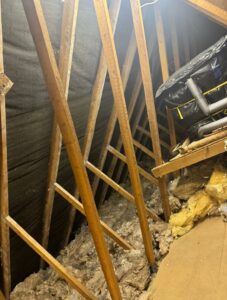
For instance, a damaged roof tile, defective flashing or another roofing fault may allow rainwater to enter the roof. Unfortunately, spray foam can sometimes make the source of the leak harder to identify.

Large areas of foam may cover the underside of the roof. Therefore, homeowners may struggle to locate where water has entered.

For this reason, you should investigate the underlying cause of damp rather than immediately assuming the spray foam has caused it.

Incorrect Spray Foam Installation

The quality of the original installation also matters.

Your roof functions as a complete system. The insulation, ventilation, roof coverings and structural timbers all need to work together.

Therefore, an installer should consider the construction and ventilation requirements of the property before applying spray foam.

Problems can arise when an installation fails to account for these factors. However, this does not mean every spray foam installation is unsuitable.

If you already have moisture problems, a professional assessment can help establish what is happening and whether you need to remove the foam.
spray foam removal

What Are the Signs of Mould Behind Spray Foam?

Some moisture problems are easy to see. Others can remain hidden for a considerable time.

Therefore, knowing the warning signs can help you recognise when your loft needs further investigation.

Look for:

• Visible mould on exposed roof timbers

• Persistent musty smells

• Condensation beneath the roof covering

• Damp patches

• Water staining

• High humidity within the loft

• Dark or discoloured timber

• Signs of a roof leak

These symptoms do not prove that spray foam has caused the problem. Nevertheless, you should investigate them.

This becomes particularly important when spray foam prevents you from seeing large areas of the roof structure.

Can Spray Foam Hide Damp or Damaged Roof Timbers?

Yes, spray foam can make parts of a roof more difficult to inspect.

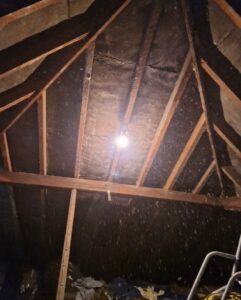
Installers may apply the material directly to timbers, roofing membranes and other surfaces. Once the foam covers these areas, homeowners and surveyors may struggle to see the materials underneath.

However, concealed timber is not necessarily damaged.

Many factors determine the condition of a roof. Therefore, you should not assume that hidden timbers have deteriorated simply because spray foam covers them.

The main problem is visibility.

If condensation or water ingress has developed behind the insulation, you may not see the warning signs immediately. In some circumstances, the foam can also prevent a surveyor from carrying out a complete visual inspection.

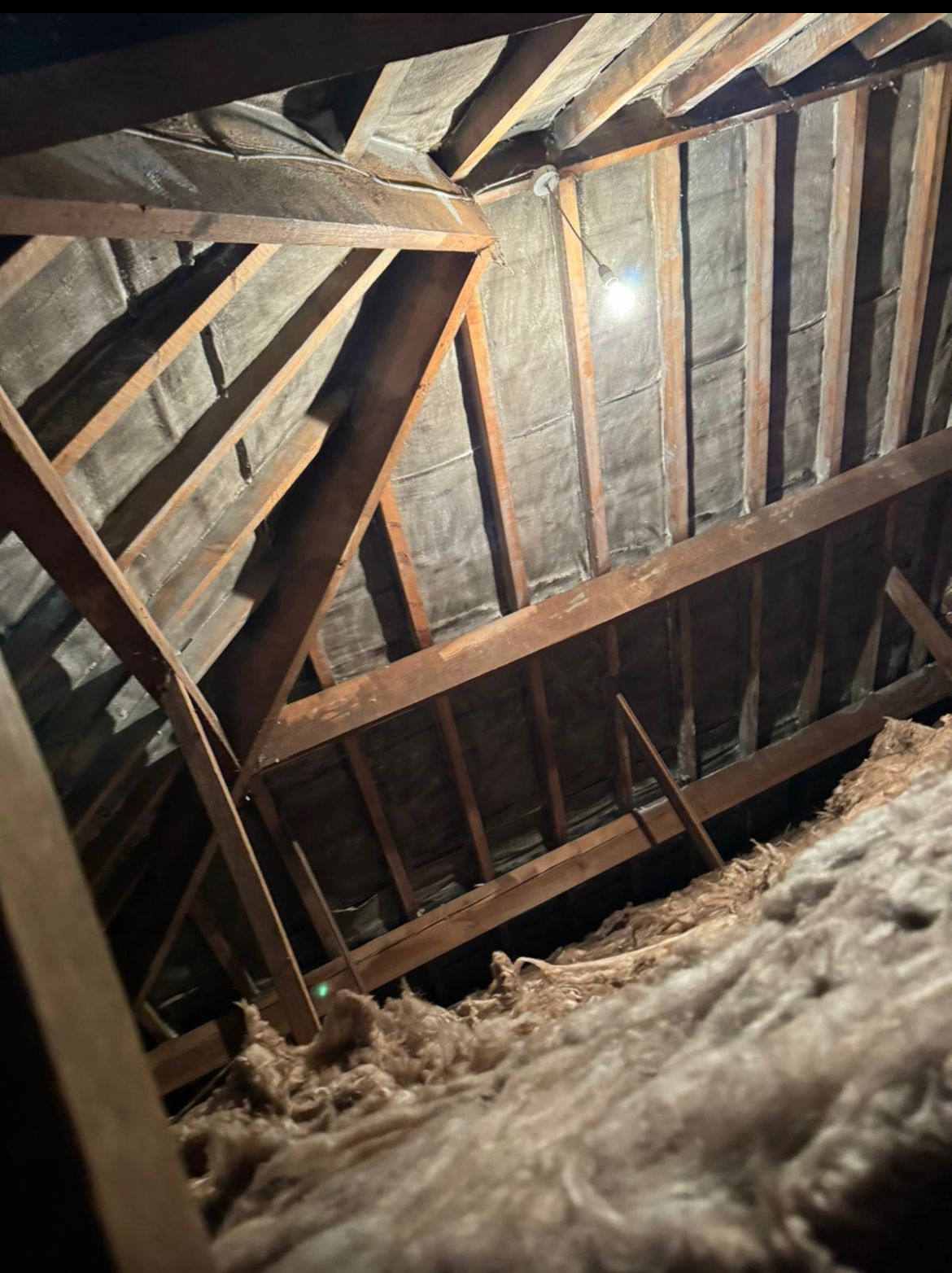
Professional spray foam removal can restore access to these areas. Once specialists remove the foam, an appropriate professional can inspect the roof structure and determine whether it needs further attention.
spray foam removal

What Should You Do If You Find Mould in Your Loft?

Do not assume that finding mould means you need a new roof.

Instead, start by identifying why the mould has developed.

Poor ventilation may be responsible. Alternatively, you could have a roof leak, condensation problem or another source of excess moisture.

Spray foam may also make the problem harder to investigate if it covers the affected area.

Therefore, arrange a professional assessment rather than relying solely on what you can see.

A specialist can assess the spray foam installation and determine whether removal would provide the access needed for a more thorough roof inspection.

Acting promptly can also help. The longer materials remain damp, the greater the opportunity for moisture related problems to develop.

Does Spray Foam Need to Be Removed If There Is Mould?

Not always.

Every property requires individual consideration. Finding mould does not automatically mean you need to remove all the spray foam.

However, removal may become appropriate in certain circumstances.

For example, you may need to consider removal if the foam prevents a proper roof inspection. You may also consider it if the installation restricts ventilation or conceals areas affected by moisture.

Likewise, a surveyor or mortgage lender may require greater visibility of the roof structure.

Therefore, the important question is not simply whether your property contains spray foam. Instead, you need to establish whether the foam is contributing to a problem or preventing professionals from assessing your roof properly.

If mould or damp is present, removing the foam can expose the affected areas. You can then determine whether the roof requires additional work.
spray foam removal

How Professional Spray Foam Removal Can Help

Spray foam removal requires care.

The material can bond firmly to timbers and surrounding roofing materials. Therefore, attempting to pull or scrape it away without the correct approach could cause unnecessary damage.

Different types of spray foam also behave differently. For example, closed cell foam tends to be more rigid and can adhere strongly to surrounding materials.

Professional removal provides a more controlled solution.

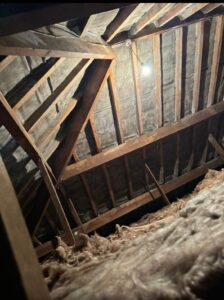
First, specialists carefully remove the foam from the relevant areas. This exposes parts of the roof that were previously hidden.

Then, an appropriate professional can inspect the underlying structure. They can look for damp, timber deterioration, roofing defects and other potential problems.

Removal may also improve airflow where spray foam has obstructed existing ventilation routes. However, the result will depend on the construction and condition of your roof.

Foam Away provides specialist spray foam removal across the South Coast. Our team works carefully to expose the roof structure while protecting the underlying materials wherever possible.

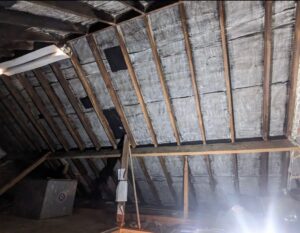
What Can Replace Spray Foam Insulation?

Removing spray foam does not mean you need to leave your home without effective insulation.

Instead, you can consider an appropriate replacement once professionals have assessed the roof and completed any necessary work.

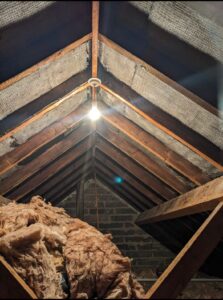
For many traditional UK properties with a cold loft, mineral wool insulation such as Rockwool may provide a suitable option. Installers can place it at ceiling level while keeping much of the roof structure visible.

However, they must maintain appropriate ventilation. Blocking airflow at the eaves can create further moisture problems.

Foam Away can also advise on SuperFOIL insulation where it suits the construction of the property.

Ultimately, no single insulation product suits every home. The right solution depends on your roof construction, ventilation requirements and intended use of the loft.

Therefore, replacement insulation should provide effective thermal performance while allowing the roof to manage moisture correctly.
spray foam removal

Why Choose Foam Away for Spray Foam Removal?

If you have discovered mould, damp or condensation around spray foam insulation, you need to understand what is happening beneath the material.

Foam Away specialises in professional spray foam removal for homeowners across the South Coast.

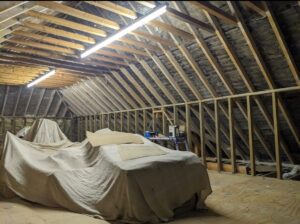
Our team removes spray foam carefully and methodically. This process can uncover previously hidden areas and provide greater access to the roof structure.

As a result, you can make decisions based on the actual condition of your property rather than assumptions about what may be hidden beneath the foam.

We can also advise on suitable replacement insulation and associated roofing requirements where appropriate.

So, whether you live in Bournemouth, Poole, Southampton, Portsmouth or elsewhere along the South Coast, contact Foam Away to discuss your property and get a free quote.

Conclusion

Mould in a loft can point to a wider moisture problem, so it is worth investigating the cause rather than ignoring the warning signs.

Spray foam does not automatically cause mould. However, poor ventilation, condensation, leaks and unsuitable installation can all contribute to damp conditions. In some cases, the foam can also hide parts of the roof structure and make it harder to see what is happening underneath.

Therefore, if you have noticed mould, musty smells, damp patches or condensation, a professional assessment can help you understand the problem properly.

Foam Away provides specialist spray foam removal across the South Coast. Our team can carefully remove the foam, expose the roof structure and help you take the next appropriate step.

Contact Foam Away today to discuss your loft and get a free quote for professional spray foam removal.
spray foam removal

Frequently Asked Questions

Does spray foam insulation cause condensation?

Not necessarily. Several factors can cause condensation, including humidity, ventilation and roof construction.

However, an unsuitable spray foam installation may restrict airflow. As a result, moisture may struggle to escape from the loft.

Therefore, you should investigate persistent condensation rather than assuming that it is a normal consequence of having spray foam.

Can mould grow behind spray foam insulation?

Yes, mould can grow wherever suitable moisture conditions exist.

If condensation or water ingress develops behind spray foam, you may struggle to see the problem because the insulation can conceal parts of the roof.

Therefore, professional removal may be necessary if you need access to inspect hidden areas.

How can I tell if spray foam is causing moisture problems?

Look for condensation, damp patches, musty smells, visible mould, water staining and persistently damp timber.

However, these symptoms can have several causes. A roof leak or poor ventilation may be responsible.

For that reason, arrange a professional assessment before deciding what action to take.

Will removing spray foam help with condensation?

It can help in some circumstances.

For example, removal may restore airflow if the spray foam blocks existing ventilation routes. It can also expose the roof and make other causes of condensation easier to identify.

However, some properties may require additional ventilation or roofing work. Therefore, the correct solution depends on the individual roof.
Trusted & verified on

Checkatrade
AXA
Bark
City & Guilds
Google Reviews
Trustpilot
Yell
Checkatrade
AXA
Bark
City & Guilds
Google Reviews
Trustpilot
Yell