Spray foam removal may improve roof ventilation, but it will not fix every problem.
If spray foam blocks a ventilation route, careful removal may help restore airflow. Removing the foam can also expose roof timbers and membranes. This makes it easier to inspect the roof and identify potential problems.
However, poor ventilation can have several causes. Your roof may lack suitable ventilation or have existing defects. High moisture levels or unsuitable insulation can also contribute to the problem.
For this reason, professional spray foam removal should form part of a careful assessment rather than act as a universal solution.
After removing the foam, a specialist can assess the roof. You can then consider any ventilation improvements, repairs or replacement insulation that may be needed.
Not every property with spray foam needs immediate removal.
Trading Standards advises homeowners to seek appropriate advice before making a decision. Removing spray foam may not always be necessary. It also does not guarantee that mortgage concerns will disappear.
However, you may want to consider professional spray foam removal if you have persistent condensation or moisture. You may also need advice if the foam prevents a proper roof inspection or a surveyor has raised concerns.
The issue can become particularly important when selling, buying or remortgaging a property.
Some surveyors, valuers and lenders may ask further questions when they find spray foam. However, this does not automatically make your property unmortgageable. Each lender has its own requirements.
If you plan to sell or remortgage, speak to your lender or surveyor first. Find out what they require before arranging spray foam removal specifically for the transaction.
Professional spray foam removal requires care and attention. It involves much more than simply pulling insulation away from the roof.
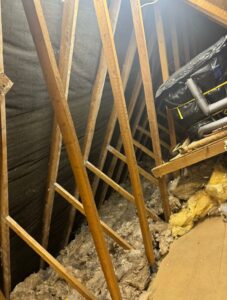
Specialists aim to remove the unwanted foam while protecting the structure underneath. The process will vary depending on the property and how installers originally applied the foam.
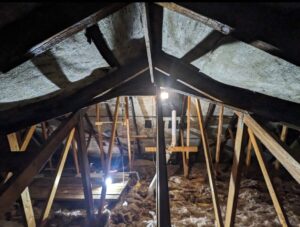
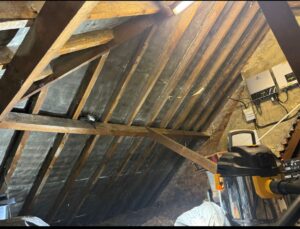
Spray foam may surround rafters, stick to membranes or sit in difficult areas of the roof. These factors can make some removal projects more complex than others.
Careful removal helps reduce the risk of damaging roof timbers, membranes and other materials.
Once the foam has gone, previously hidden areas become easier to inspect. You can then assess the condition of the roof and identify any ventilation concerns.
This is one of the main reasons to avoid DIY spray foam removal. Without the right approach, you could cause unnecessary damage to your roof.
Removing spray foam can reveal much more about the condition of your roof.
Once the foam has gone, you can inspect previously covered timbers and surrounding materials. You can also check ventilation routes and look for signs of moisture or damage.
If the inspection reveals a problem, you can then decide what work the roof needs.
You should also consider suitable replacement insulation. The right choice will depend on your roof construction and ventilation requirements.
Do not treat insulation, ventilation and moisture control as separate issues. They all play a part in keeping the roof in good condition.
Government research shows that moisture risk can vary between different roof designs and spray foam installations. This makes a property specific approach particularly important.
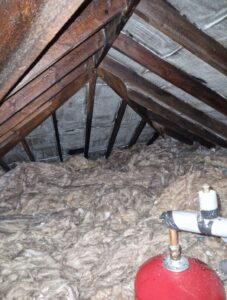
The cost of spray foam removal varies from property to property. Even similar sized lofts can require very different amounts of work.
Several factors can affect the price. These include the size of the roof space, the amount and type of foam and how easily specialists can access it. The way installers applied the foam can also affect the cost.
The roof construction matters too. Some foam is relatively easy to reach. Other installations may involve complex roof structures or delicate materials that require extra care.
For this reason, avoid relying on generic prices online. A professional assessment will provide a clearer picture of the work required and the likely cost.
If you are comparing spray foam removal companies, look beyond the price. Consider the work included in the quotation and how the company plans to approach the removal.
DIY spray foam removal can be difficult and may cause unnecessary damage to your roof.
Removing the visible foam is only part of the job. You also need to protect the materials beneath and around it.
Spray foam can stick firmly to roof timbers and membranes. Electrical cables may also run through the loft. Removing the foam without enough care could damage these important components.
You may also leave sections of foam behind and continue to hide parts of the roof from view.
If you have condensation or damp, you should investigate the cause rather than assume that the spray foam is responsible.
Professional roof spray foam removal offers a safer and more careful approach. A specialist can remove the unwanted material while taking greater care around the existing roof structure.
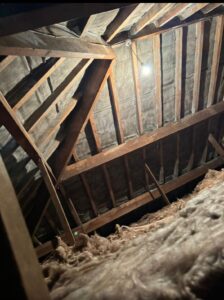
A common mistake is assuming that all spray foam causes the same problems. It does not. The roof design, materials, ventilation and installation method all make a difference.
Homeowners may also assume that removal will automatically solve condensation. Removing the foam may help, but you should still check the roof’s ventilation and moisture levels.
Avoid installing new insulation before checking the roof. You need to understand its ventilation requirements first.
DIY spray foam removal can also cause problems. You could damage roof membranes, timbers, wiring or other important components.
Do not wait until you sell or remortgage your home before investigating known concerns. Acting earlier gives you more time to understand the problem and consider your options.
Yes, spray foam can sometimes cause concerns during a mortgage application, remortgage or property sale. This can happen when the foam prevents a valuer or surveyor from inspecting the roof properly.
However, spray foam does not automatically prevent you from getting a mortgage. Some lenders will consider properties with spray foam and assess each application individually.
RICS also explains that spray foam can influence a surveyor’s opinion of a property. In some cases, they may ask for an independent specialist report.
If you plan to sell or remortgage your home, speak to your lender or surveyor first. Find out what they require before arranging spray foam removal specifically for a mortgage or property sale.
Trusted & verified on