If you are considering spray foam removal, one of the first questions you are likely to ask is whether the process creates a significant amount of dust or leaves your home in a mess. It is a perfectly reasonable concern. After all, any work carried out within a roof space has the potential to generate debris, particularly when insulation materials need to be removed from timber rafters and other structural elements.
The reassuring news is that whilst some dust and waste are unavoidable, professional spray foam removal is far cleaner and more controlled than many people expect. Experienced specialists use carefully planned working methods, protective equipment and thorough cleaning procedures to minimise disruption, helping to keep your property as clean as possible throughout the process.
For homeowners across Dorset, understanding what happens during spray foam removal can help remove much of the uncertainty surrounding the work and allow you to prepare with confidence.
The simple answer is yes. Removing any bonded insulation material will inevitably produce some dust and loose particles. However, the amount of dust created depends on several important factors, including the type of spray foam that has been installed, how it was originally applied and the techniques used during removal.
Closed cell spray foam, for example, is generally denser and more rigid than open cell foam. As a result, removing it often produces slightly larger fragments rather than fine particles. Open cell foam is lighter and softer, meaning it can sometimes create finer debris during removal.
Regardless of the type of insulation involved, professional contractors expect this from the outset and take appropriate measures to manage it effectively. Rather than allowing dust to spread throughout the property, experienced teams work within controlled areas and use specialist equipment designed to capture airborne particles as work progresses.
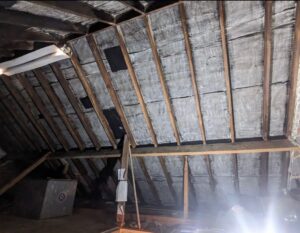
Some homeowners attempt to remove spray foam insulation themselves to save money. Although this may seem straightforward, the process is often far more challenging than expected.
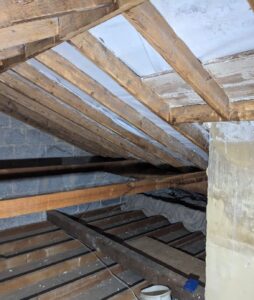
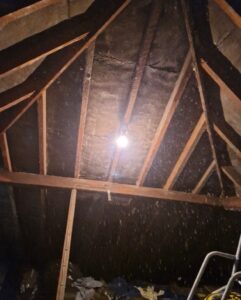
Spray foam bonds firmly to roof timbers, making it difficult and time consuming to remove. Without the right tools and experience, DIY removal can create large amounts of debris and allow dust to spread beyond the loft.
Professional spray foam removal follows a structured process that keeps disruption to a minimum. Before work begins, contractors assess the roof and plan the safest and cleanest removal method. They understand how different types of spray foam behave and adapt their approach to suit each property.
Attempting to complete the work without suitable equipment can easily result in a far messier outcome than many homeowners anticipate.
Professional spray foam removal does more than remove insulation. It also protects the rest of your home throughout the process.
Contractors prepare every project carefully before work begins. They protect the surrounding area to prevent dust from spreading beyond the workspace.
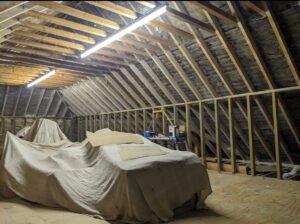
They often cover floors, loft access points and nearby belongings with protective sheeting. When needed, they also seal sections of the property to contain airborne dust and debris.
This careful preparation reduces disruption and keeps cleaning to a minimum once the work is complete.
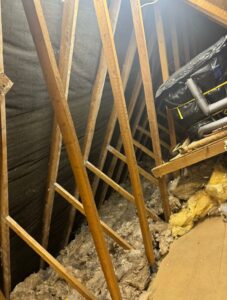
One of the biggest differences between professional and amateur spray foam removal is the quality of the equipment being used.
Experienced contractors rely on specialist tools designed specifically for controlled insulation removal. Rather than simply breaking away sections of foam and allowing debris to fall freely, they remove material methodically whilst managing waste as they work.
Industrial vacuum systems play an important role throughout the process. These machines continuously collect dust and smaller particles before they have the opportunity to spread around the property.
Using professional extraction equipment not only helps maintain a cleaner working environment but also improves visibility for the technicians carrying out the removal. This allows the insulation to be removed more accurately whilst protecting the underlying roof structure.
Many homeowners worry that spray foam removal will leave every room in the house needing extensive cleaning. In reality, experienced specialists keep disruption to a minimum.
Contractors carry out almost all of the work within the roof space. They carefully manage access routes and protect the surrounding areas to keep dust and debris contained.
Before work begins, they move or cover items stored in the loft to protect them from dust. As they remove the spray foam, they collect waste regularly before carrying out a final clean.
This organised approach limits disruption to the rest of the home and allows you to continue your daily routine with minimal inconvenience.
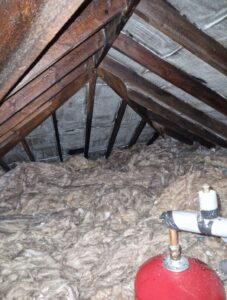
No two spray foam removal projects create the same amount of dust or waste. Every property presents different challenges.
The thickness of the insulation, the age of the spray foam, the condition of the roof and the accessibility of the loft all affect how much debris contractors produce during removal.
Older spray foam can become more brittle over time, whilst larger roof spaces naturally generate more waste because they contain more insulation.
Before work begins, experienced contractors assess these factors and explain what you can expect. This helps homeowners understand the likely level of disruption and prepares them for the removal process with confidence.
Trusted & verified on