For many homeowners across Dorset and the South Coast, spray foam insulation was once promoted as an innovative way to improve energy efficiency and reduce heating costs. In recent years, however, concerns surrounding spray foam roof insulation have become increasingly common, particularly among surveyors, mortgage lenders, and prospective property buyers.
One question appears more frequently than almost any other:
Can spray foam insulation damage roof timbers?
The answer is more nuanced than many headlines would suggest. Spray foam insulation does not inherently damage timber. However, under certain circumstances, it can contribute to conditions that increase the risk of moisture retention, condensation, hidden defects, and timber decay. These concerns have led many mortgage providers to take a cautious approach when assessing properties containing spray foam insulation.
For homeowners, understanding the relationship between spray foam insulation and roof timbers is essential. Whether you are planning to sell your property, apply for a mortgage, or simply wish to protect the long term condition of your roof, knowing the facts can help you make informed decisions.

Spray foam insulation is a material applied directly to roof structures, loft spaces, and wall cavities to improve thermal performance. Once sprayed, the foam expands rapidly before hardening into an insulating layer.
There are two principal forms of spray foam insulation.
Open cell foam remains relatively soft and flexible after installation. It allows a degree of moisture vapour movement and is often marketed as a breathable insulation solution.
Closed cell foam is denser and more rigid. It creates a highly effective thermal barrier and offers greater structural reinforcement. However, its dense nature can significantly restrict airflow and moisture movement within a roof structure.
Both products can improve energy efficiency when installed correctly. Problems typically arise when ventilation is inadequate, existing defects are overlooked, or moisture becomes trapped within the roof assembly.
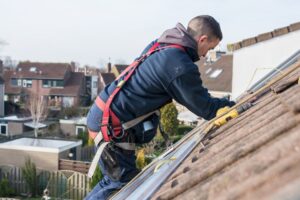
In isolation, spray foam insulation does not attack or degrade timber.
The concern lies in its ability to alter the natural behaviour of a roof.
Traditional roof structures rely upon airflow to regulate moisture levels. When spray foam is applied directly to roofing felt, tiles, slates, and timber rafters, it can reduce ventilation pathways and make routine inspections more difficult.
If moisture enters the roof structure through condensation, minor leaks, or existing defects, it may remain hidden for extended periods. Over time, elevated moisture levels can create favourable conditions for fungal growth, timber decay, and structural deterioration.
This is why many surveyors focus not on the foam itself, but on the environment it can create around roof timbers.
Moisture is the primary threat to any timber roof structure.
When water vapour becomes trapped within a poorly ventilated loft space, moisture levels can gradually rise. Spray foam applied directly against roof coverings may limit the roof’s ability to dry naturally.
Persistent damp conditions can eventually lead to:
Ventilation plays a vital role in maintaining a healthy roof space.
Many older homes throughout Dorset and the South Coast were designed with natural airflow in mind. Introducing spray foam insulation without carefully considering ventilation can upset this balance.
Reduced airflow may contribute to:
Condensation develops when warm, moisture laden air meets cooler surfaces.
In roof spaces where airflow is restricted, condensation can accumulate on timbers and surrounding materials. Although this moisture may appear insignificant at first, repeated exposure can gradually affect the condition of roof components.
One of the greatest concerns among surveyors is the possibility of concealed defects.
When spray foam covers roof structures, small leaks may remain undetected for months or even years. Water can travel through timber elements without producing obvious visible signs within the property.
By the time damage becomes apparent, repairs may be significantly more extensive.
Routine roof inspections become considerably more challenging when rafters and roofing materials are covered by spray foam.
Without clear visibility, surveyors may struggle to assess:
This uncertainty is one reason many mortgage lenders approach spray foam insulated properties with caution.
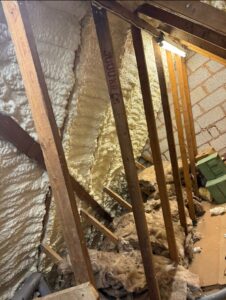
Homeowners should remain vigilant for signs that moisture may be affecting their roof structure.
Common indicators include:
If any of these signs are present, a professional assessment should be arranged as soon as possible.
Mortgage lenders are primarily concerned with risk.
Where spray foam insulation is present, lenders may face uncertainty regarding the true condition of the roof structure beneath the foam.
Surveyors are often unable to inspect key structural elements fully, making it difficult to assess potential liabilities.
As a result, some lenders may:
These spray foam mortgage problems have become increasingly common throughout the UK property market.
For homeowners intending to sell their property, this issue can significantly impact both buyer confidence and transaction times.
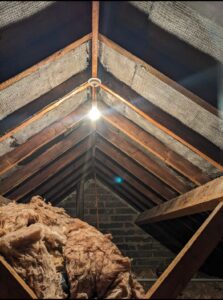
Not necessarily.
There are situations where spray foam insulation remains stable and no immediate concerns are identified.
However, removal may be recommended when:
A professional inspection remains the most reliable way to determine the appropriate course of action.
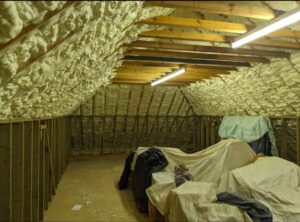
Spray foam insulation remains one of the most debated topics within the UK housing sector. While the material itself does not directly damage roof timbers, its presence can create conditions that make moisture problems, hidden defects, and timber decay more difficult to identify and address.
For homeowners across Dorset and the South Coast, obtaining expert guidance is essential. Whether you are experiencing mortgage difficulties, preparing to sell your property, or simply seeking reassurance about the condition of your roof, a professional inspection can provide the answers you need.
At FoamAway, we specialise in the safe removal of spray foam insulation, detailed roof assessments, and practical solutions that help homeowners protect both their property and its future value. Our experienced team works throughout Dorset and the South Coast, delivering trusted advice and professional workmanship every step of the way.
Contact FoamAway today to arrange a comprehensive roof inspection and discover the most appropriate solution for your property.
Spray foam insulation does not directly cause timber rot. However, if moisture becomes trapped behind or around the foam, the roof timbers may remain damp for long periods. Over time, this can create the right conditions for fungal decay and rot, particularly where ventilation is poor or roof leaks are hidden.
Spray foam insulation can trap moisture if it has been poorly installed, applied to a damp roof structure, or used in a loft with inadequate ventilation. Moisture may also become trapped if there are existing roof defects, such as damaged tiles, torn felt, or small leaks that are concealed by the foam.
Many mortgage lenders are cautious about spray foam insulation because it can make roof timbers difficult to inspect. Surveyors may be unable to see the true condition of rafters, felt, battens, and other roof components. This uncertainty can affect property valuations, mortgage approvals, and buyer confidence.
Yes. Spray foam can conceal roof defects such as leaking tiles, damaged underlay, damp timbers, insect activity, or early signs of decay. Because the foam adheres directly to the roof structure, it can prevent surveyors and homeowners from properly assessing the condition of the materials beneath it.
Trusted & verified on