For years, spray foam insulation was marketed as a modern solution for improving energy efficiency in British homes. Homeowners were told it would reduce heating bills, improve comfort, and help properties meet increasingly demanding energy standards. Yet across the United Kingdom, many property owners are now discovering an uncomfortable reality. Spray foam insulation can create serious complications when applying for a mortgage or attempting to sell a property.
From failed surveys to reduced valuations and outright mortgage refusals, the issue has become a growing concern throughout the property market. Homeowners who installed spray foam in good faith are now facing difficult questions from lenders, surveyors, and buyers alike.
If you have recently been told that spray foam insulation may affect your mortgage approval, you are certainly not alone. Fortunately, there are practical solutions available, and understanding the issue is the first step towards resolving it.
At Foam Away, we help homeowners across the UK remove problematic spray foam insulation safely and professionally, helping restore confidence for mortgage lenders, surveyors, and prospective buyers.
Mortgage lenders are ultimately concerned with risk. When a lender agrees to finance a property purchase, they need reassurance that the home remains structurally sound and retains its market value.
Spray foam insulation can create uncertainty in several ways.
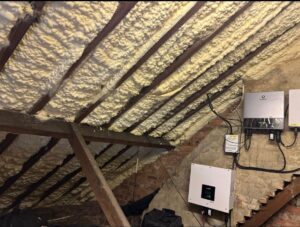
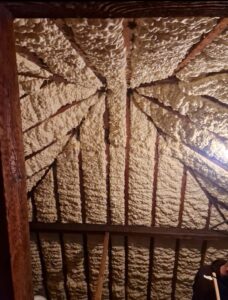
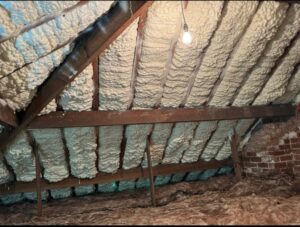
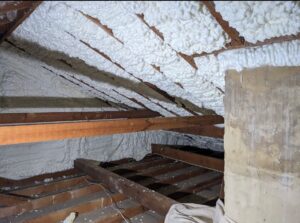
One of the main concerns involves roof timbers. Traditional loft insulation allows surveyors to inspect the condition of the roof structure easily. Spray foam insulation, however, adheres directly to the underside of roof tiles and timbers, often concealing signs of damage.
Surveyors may struggle to identify:
If a surveyor cannot properly assess the roof, many lenders become hesitant to proceed.
Certain forms of spray foam insulation can restrict airflow within the roof space. Poor ventilation may increase the risk of trapped moisture, which can eventually lead to damp conditions and timber decay.
Even where no visible damage exists, lenders often view the potential for hidden problems as a significant concern.
Another issue is removability. Spray foam can bond aggressively to roof timbers and tiles. In some cases, removing it without damaging the roof structure can prove challenging and expensive.
Mortgage providers may therefore worry about future repair costs or reduced resale value.
The impact on mortgage applications can vary depending on the lender, survey findings, and the type of spray foam installed. However, many homeowners report similar difficulties.
Some lenders may decline mortgage applications entirely if spray foam insulation is present, particularly if surveyors cannot inspect the roof adequately.
Surveyors may lower the property’s valuation due to perceived risks associated with spray foam insulation. A reduced valuation can affect borrowing amounts and delay property transactions.
Homeowners looking to secure a better mortgage rate may encounter difficulties when remortgaging. Even if the property was previously accepted by another lender, updated lending criteria may produce a different outcome.
Older homeowners seeking equity release products are also encountering problems. Some providers are unwilling to proceed while spray foam remains installed.
Buyers may become nervous after survey reports mention spray foam insulation concerns. Transactions can quickly stall while further investigations take place.
Lending policies continue to evolve, but many UK mortgage providers now approach spray foam insulation cautiously.
Surveyors working on behalf of lenders such as:
may raise concerns depending on the type, condition, and installation method of the foam.
It is important to understand that policies vary significantly. Some lenders may still approve mortgages if sufficient documentation exists, while others may request specialist reports or recommend removal before proceeding.
This inconsistency is precisely why so many homeowners feel confused and frustrated.
Not all spray foam insulation is identical. Understanding the difference between open cell and closed cell foam is essential.
Open cell foam is softer and more breathable. It expands considerably during installation and is often considered less rigid than closed cell foam.
While some installers argue that it presents fewer ventilation concerns, lenders and surveyors may still raise objections.
Closed cell foam is denser, harder, and more rigid. It creates a stronger seal and offers greater structural reinforcement.
However, because it bonds tightly to roof materials, surveyors often find inspections more difficult. Removal can also be considerably more labour intensive.
From a mortgage perspective, both forms of spray foam can create complications.
Many homeowners only discover the issue during the mortgage process. However, several warning signs may indicate that spray foam insulation is becoming problematic.
If a surveyor states that roof timbers cannot be adequately inspected, lenders may request further investigation.
Purchasers may withdraw or renegotiate after learning about spray foam insulation concerns.
Unexpected delays during underwriting can indicate that lenders are reviewing the property more carefully.
Some lenders now require independent spray foam assessments before approving finance.
Condensation or ventilation issues within the loft space can increase lender caution.
This is one of the most common questions homeowners ask.
The truth is more nuanced than many headlines suggest.
Spray foam insulation itself is not automatically defective. In some cases, it may have been installed correctly and may not currently be causing visible damage.
However, the broader issue lies in lender perception and surveyor accessibility.
Even where no structural problems exist, lenders may still hesitate because:
As a result, perfectly functional spray foam installations can still create mortgage obstacles.
For many homeowners, removal becomes the most effective route towards restoring mortgage confidence.
Professional spray foam insulation removal can help by:
In many situations, lenders and buyers become significantly more comfortable once the spray foam has been professionally removed.
Many homeowners worry that removal will be highly disruptive. While the process does require specialist expertise, experienced professionals can complete the work safely and methodically.
At Foam Away, the process typically includes:
A thorough inspection determines:
Specialist equipment and techniques are used to remove the foam carefully while minimising damage to surrounding materials.
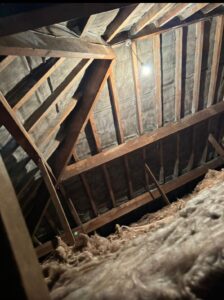
Once the foam has been removed, the roof structure can be properly inspected for any signs of damage or moisture.
All waste materials are removed responsibly, leaving the loft space clean and accessible.
Homeowners may receive supporting documentation confirming professional removal, which can assist during mortgage applications or property sales.
When dealing with mortgage concerns, homeowners need reassurance, professionalism, and experience.
Foam Away specialises in helping homeowners resolve spray foam related property issues with clear guidance and expert workmanship.
Clients choose Foam Away because we provide:
We understand how stressful mortgage delays and survey issues can become. Our goal is to help homeowners regain confidence in their property and move forward without unnecessary complications.
Yes. Some mortgage lenders may refuse applications or request additional surveys if spray foam insulation is present.
No. Policies vary between lenders, but many now apply stricter scrutiny when spray foam is identified.
In many cases, yes. Professional removal can allow surveyors to inspect the roof fully and may improve lender confidence.
Discovering that spray foam insulation may affect your mortgage approval can feel deeply frustrating, especially if the installation was originally presented as a beneficial home improvement.
Yet the reality is that many UK lenders and surveyors are now approaching spray foam insulation with increasing caution. Whether you are selling your property, remortgaging, or applying for equity release, unresolved spray foam concerns can create significant delays and uncertainty.
The encouraging news is that solutions are available.
Professional spray foam insulation removal can help restore confidence for lenders, buyers, and surveyors alike while improving the long term marketability of your property.
If you are facing mortgage difficulties linked to spray foam insulation, Foam Away is here to help.
Contact Foam Away today to arrange a free survey and speak with a specialist about restoring your property’s mortgage potential.
Trusted & verified on