Removing spray foam insulation requires specialist knowledge, suitable equipment and an understanding of roof construction. Unlike conventional loft insulation, spray foam often adheres directly to roof timbers, felt or other roofing materials. Consequently, removing it can be more complicated than simply lifting insulation from a loft floor.
Foam Away provides professional spray foam insulation removal in Poole, helping homeowners address unwanted insulation and prepare their properties for further inspection or improvement.
Our service is suitable for properties with open cell or closed cell spray foam insulation, although the appropriate removal method will depend on the material and how it was originally installed.
Before beginning work, we consider the condition of the insulation, its location and the surrounding roof structure. This allows us to establish a suitable approach while taking appropriate precautions to protect the property.
Whether your insulation was installed recently or has been in place for several years, contact Foam Away to discuss your removal requirements.
Choosing a specialist spray foam removal company is an important decision, particularly when the work involves exposed roof timbers and other structural components.
At Foam Away, we understand that homeowners often require spray foam removal because of circumstances beyond their control. You may be facing delays with a property sale, responding to a surveyor’s recommendations or seeking reassurance about the condition of your loft.
Our approach focuses on understanding your requirements and providing a suitable removal solution.
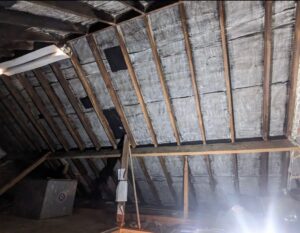
Spray foam insulation can adhere firmly to roofing materials, making its removal a demanding process. Our team focuses on the careful removal of unwanted insulation using methods appropriate to the individual property.
Every roof is different. The age of the building, type of insulation and condition of the roofing materials can all influence the removal process.
We consider these factors when assessing the work required.
Following spray foam removal, homeowners may wish to install a more conventional form of loft insulation. Foam Away offers replacement options, including Rockwool and SuperFOIL, where suitable for the property.
We understand that arranging work within your home requires confidence in the company you choose. Our aim is to explain the removal process clearly and help you understand the next steps.
If you are looking for spray foam removal specialists in Poole, contact Foam Away today.
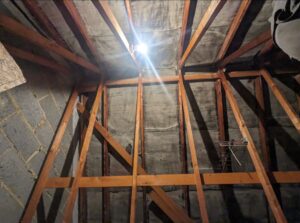
Spray foam insulation is commonly applied to the underside of roof coverings, between rafters or directly onto roofing membranes. Although it is intended to reduce heat loss, its location can make inspection and maintenance of the roof more difficult.
In some properties, spray foam may conceal sections of timber or prevent surveyors from examining important areas of the roof structure.
Professional loft spray foam removal can help expose these areas for inspection and allow homeowners to consider alternative insulation arrangements.
At Foam Away, we assess the existing application before determining how the insulation should be removed. Particular care is necessary where spray foam has bonded to timber, felt or other roofing materials.
The condition of the roof following removal will depend on several factors, including the type of spray foam, the original installation and the materials beneath it. In some cases, additional repairs or specialist inspections may be necessary.
Our priority is to carry out the removal process carefully and provide homeowners with a clearer understanding of their loft’s condition.
One of the most common reasons homeowners enquire about spray foam removal in Poole is concern about selling or remortgaging their property.
Although spray foam insulation does not automatically make a property unsuitable for a mortgage, some lenders apply additional requirements when assessing homes with this type of insulation.
Surveyors may also experience difficulty examining roof timbers where spray foam conceals important structural areas.
As a result, homeowners may encounter requests for further information, specialist inspections or insulation removal before a mortgage application or property transaction can proceed.
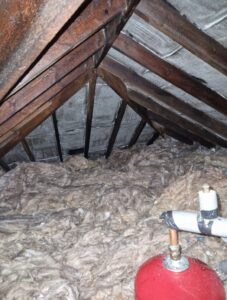
If you are preparing to sell your home, existing spray foam insulation may raise questions during the surveying process.
A buyer’s lender may require additional evidence about the roof’s condition or request that the insulation be removed.
Arranging professional removal can help address concerns relating to the presence of spray foam. However, removal does not guarantee mortgage approval or eliminate the need for further inspections.
Homeowners applying for a new mortgage may also encounter questions about spray foam insulation.
If your lender or surveyor has identified the insulation as a concern, Foam Away can discuss the removal work required.
We recommend confirming any specific lender requirements before arranging removal, particularly where supporting documentation or a subsequent roof inspection may be necessary.
Contact Foam Away to discuss spray foam insulation removal for your property in Poole.
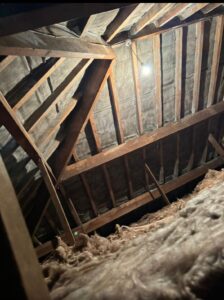
Every property requires an individual assessment. At Foam Away, our removal process considers the type of insulation, its application and the surrounding roofing materials.
Contact our team to explain your circumstances and the type of spray foam insulation installed.
We can discuss your requirements and determine what information or assessment is needed before proceeding.
Once the existing insulation and roof construction have been assessed, we can establish an appropriate removal approach.
This includes considering access, the extent of the insulation and any areas requiring particular care.
Our team carries out the removal work using suitable techniques for the insulation and roof structure.
The time required depends on the size of the loft, accessibility and the nature of the installation. Removal may take approximately two to five working days, although individual projects can vary.
Following removal, previously concealed areas of the roof may become accessible for inspection.
Where appropriate, we can also discuss replacement loft insulation to help maintain the property’s thermal performance.
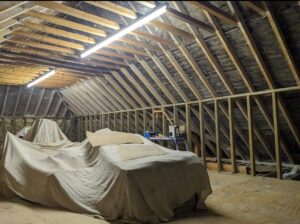
After removing spray foam insulation, it is important to consider how your home will retain heat efficiently.
Foam Away offers replacement insulation options, including Rockwool and SuperFOIL, subject to the requirements of the property.
Rockwool is a mineral wool insulation material used in a variety of building applications. Depending on the product and installation method, it can provide effective thermal insulation and sound absorption.
It may be suitable for homeowners seeking a conventional insulation solution following spray foam removal.
SuperFOIL offers a range of reflective insulation products designed for different building applications.
The suitability of a particular product depends on the roof construction, ventilation requirements and intended installation method.
Our team can discuss the available options and help you consider an appropriate replacement insulation solution.
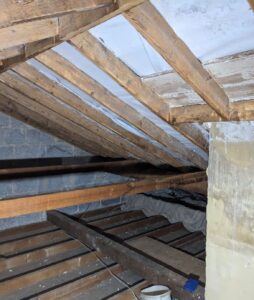
The cost depends on the size of your loft, the type of spray foam, accessibility and the complexity of the removal process.
Properties with extensive insulation or difficult access may require additional work.
Contact Foam Away to discuss your property and request further information about removal costs.
Spray foam removal may take approximately two to five working days, depending on the size and condition of the installation.
Larger properties or more complicated removal projects may require additional time.
Some mortgage lenders have specific requirements concerning properties with spray foam insulation. However, lending decisions depend on the individual lender, property and survey findings.
Professional removal may help address certain concerns, although mortgage approval cannot be guaranteed.
Spray foam can bond firmly to roof timbers, felt and other roofing materials. Consequently, removal requires care, and some materials may already be damaged or may sustain damage during the process.
A professional assessment helps identify potential difficulties before work begins. Additional roofing repairs may sometimes be necessary.
Trusted & verified on