0800 994 9026
enquiries@foam-away.com

Advisers Issue Mortgage Caution Regarding Spray Foam Insulation Use

Financial advisers and mortgage brokers have advised clients to exercise caution regarding spray foam and about the potential drawbacks of using spray foam roof insulation, noting that it could adversely impact their ability to re-mortgage or utilize equity release products.

As more individuals consider equity release as a way to access funds amidst the cost of living crisis, advisers are increasingly observing the negative repercussions for clients who have opted for spray foam insulation.

Traditionally, equity release lenders have been reluctant to accept properties with spray foam roof insulation, and many mortgage lenders also hesitate to offer mortgage deals for properties that have this type of insulation installed.

Contact us for further information

What are the issues with spray foam insulation?

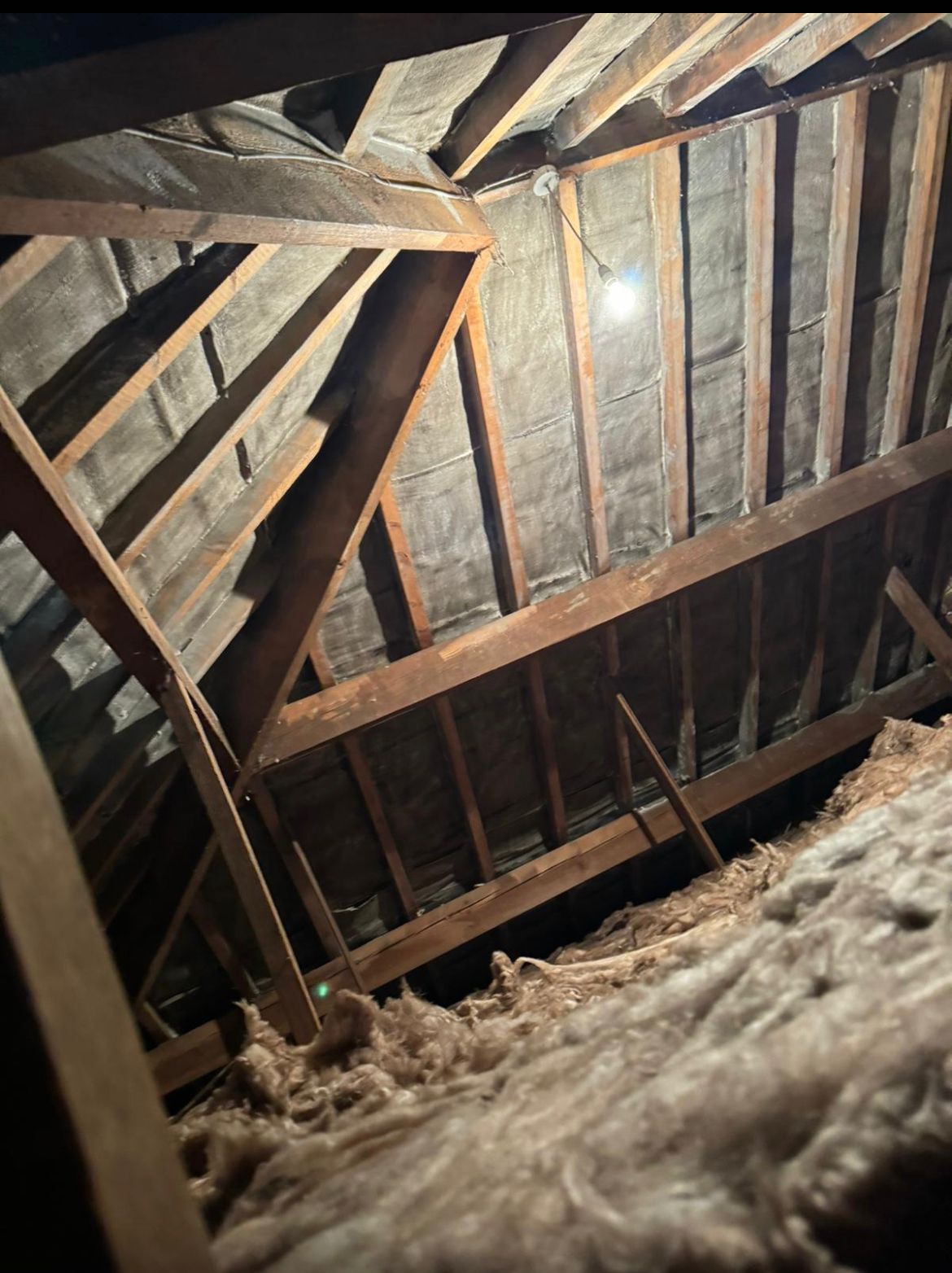
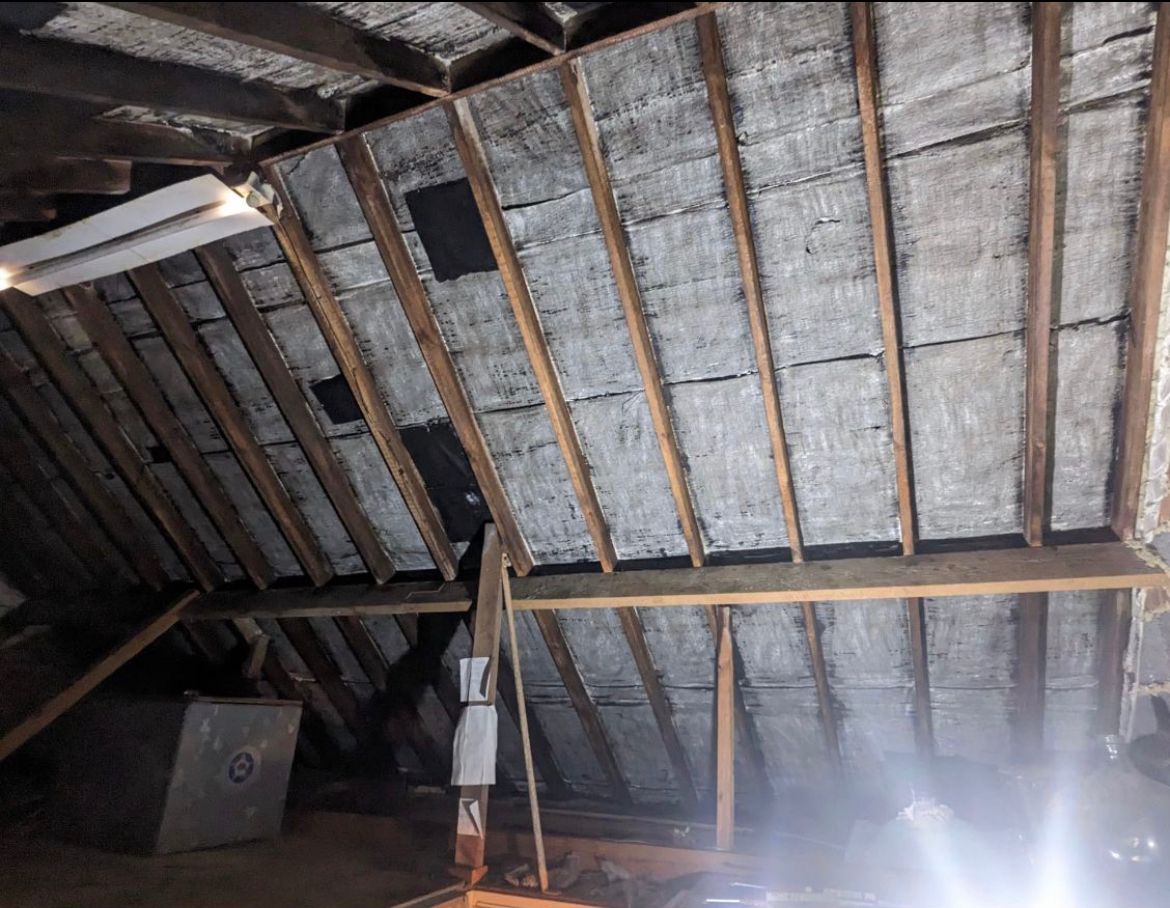
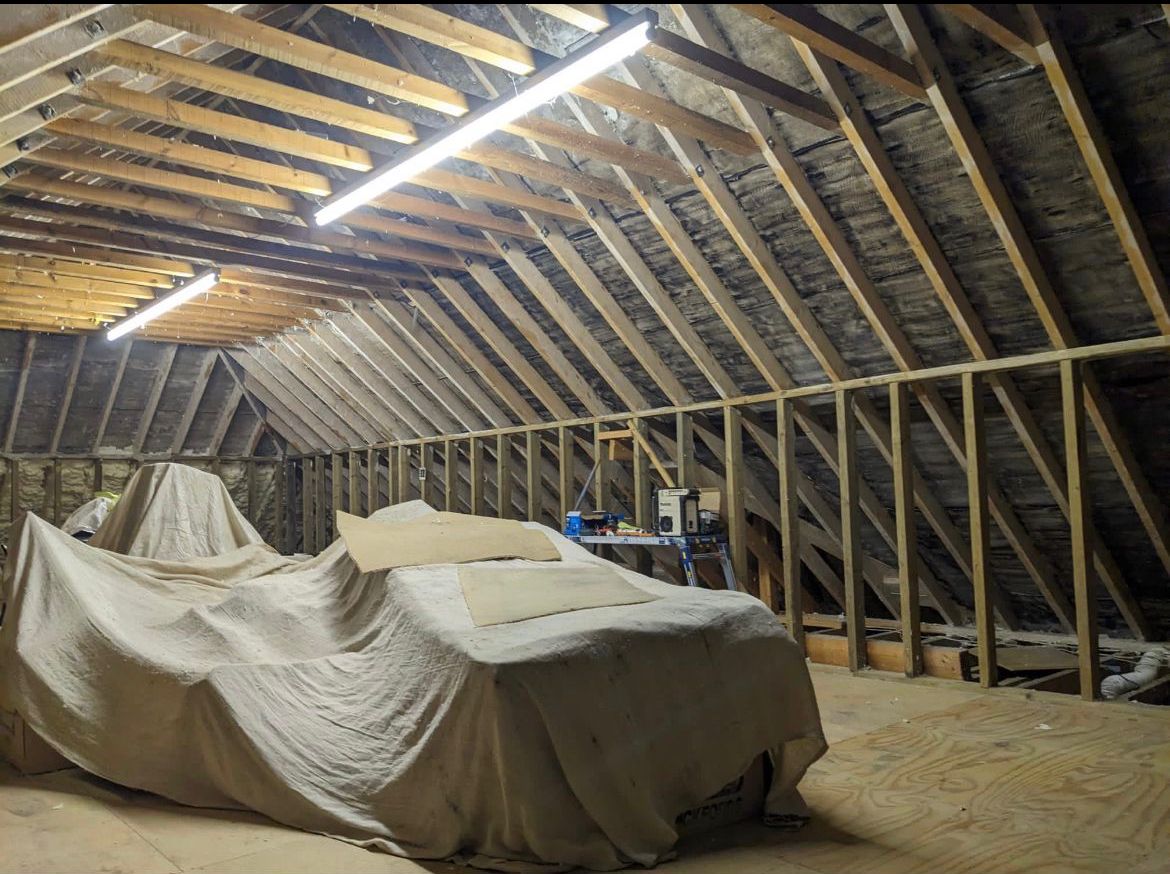
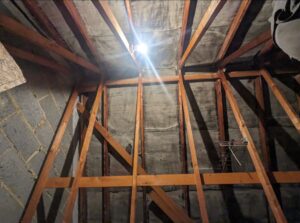
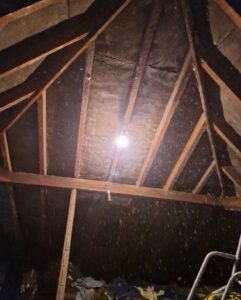
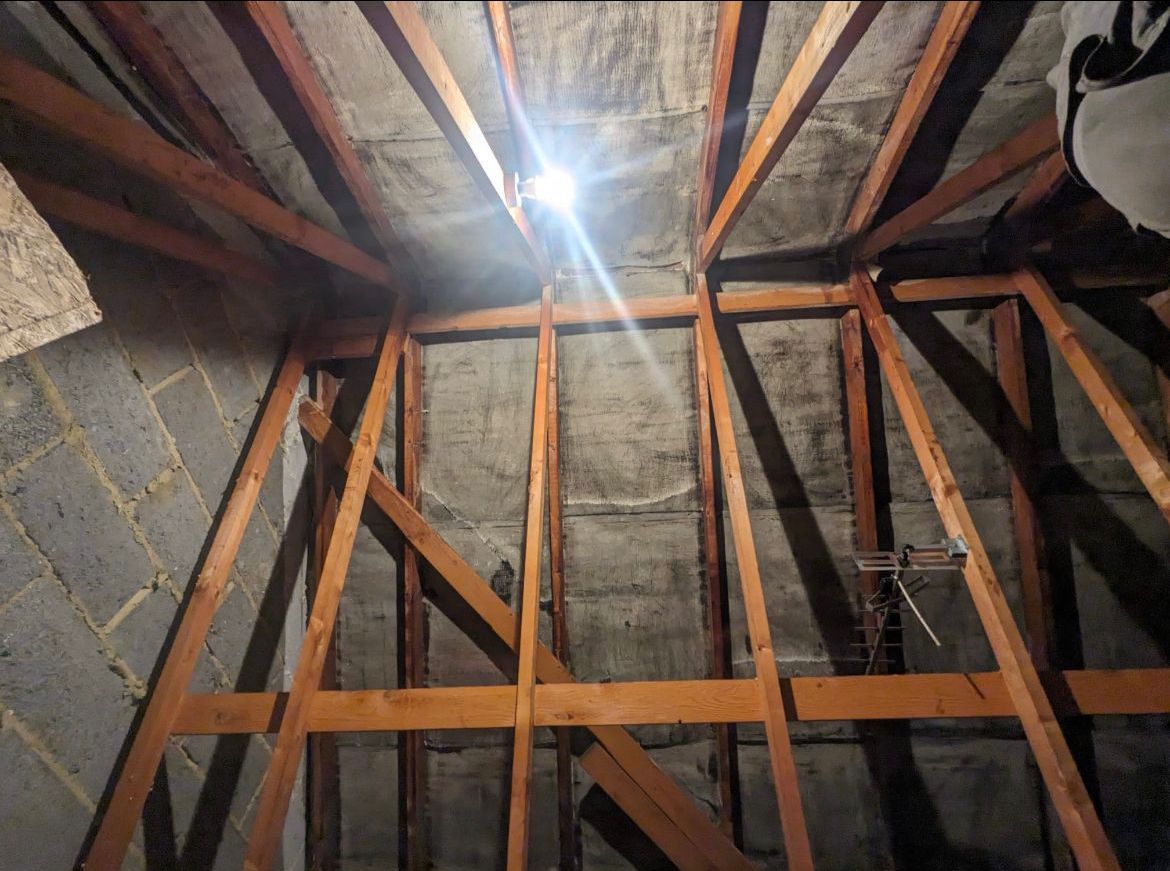
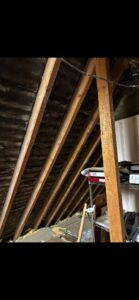
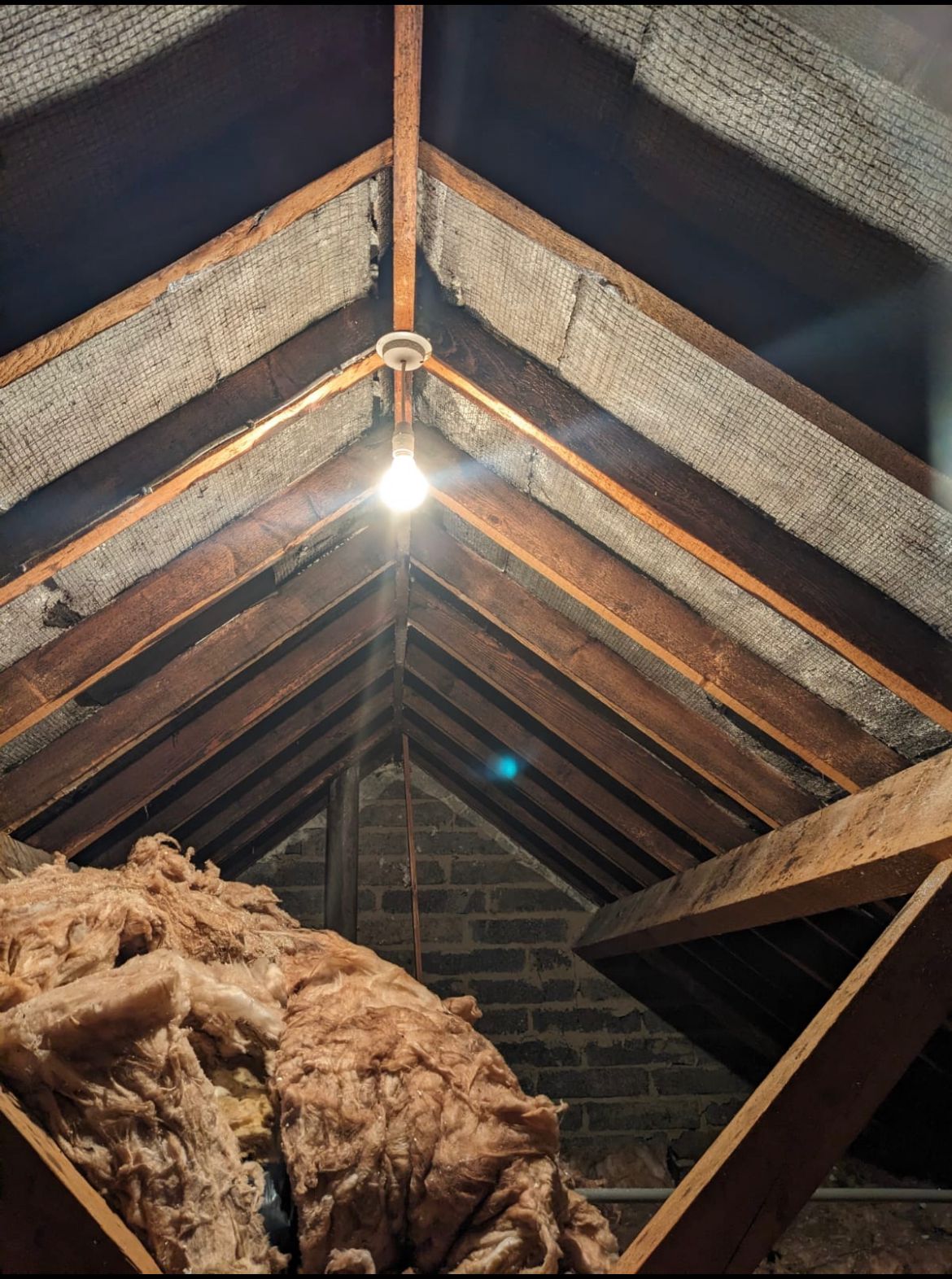
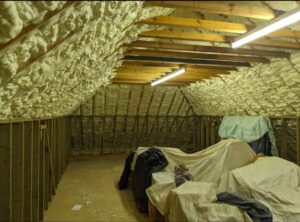
Spray foam is a liquid foam that expands to form an insulating layer, commonly applied in roofs and attics. It has been in use for over three decades, often without problems. However, concerns have emerged specifically with closed-cell spray foam, which can potentially endanger roof timbers due to decay.

Once hardened, closed-cell spray foam is more rigid, making it a superior insulator compared to open-cell foam. However, this rigidity also means it acts as a barrier that blocks air release, potentially diminishing ventilation and leading to condensation issues.

Due to these factors, lenders are cautious about refinancing properties with spray foam insulation, worried that it might cause structural damage and decrease the property’s value.

Homeowners alike are being told to exercise Caution Regarding Spray Foam insulation

Spray foam insulation was among the improvements supported by the government’s Green Homes Grant scheme, which concluded in March 2022. This scheme offered to cover up to two-thirds of the cost of certain home improvements.

As reported by the Residential Property Surveyors Association and the Property Care Association, by December 2021, approximately 250,000 homes in the UK had installed spray foam insulation.

PFEP Wealth Management managing director, Richard Bishop told FTAdviser that homeowners would install the insulation without thinking they would be affected by the downsides, but the cost of living crisis has meant he is now seeing people regret their decision.

“With the problems with inflation and the cost of living rises we are seeing a small number of clients who didn’t realise equity release is also affected by foam installation,” Bishop said.

“The fitting companies have been telling clients the issue [with re-mortgaging], not making it clear that equity release is also affected. More elderly clients 12 months ago would not have thought they may ever use an equity release product in the future.”

He added: “As we advise clients, always think a decision you make today could have catastrophic effects on your future financial planning. You shouldn’t install anything in your home that could affect its overall value in terms of any possible future lending.”

Les Pick, director of manufacturing and adviser propositions at later life lender More2life noted that the challenge with spray foam is that it is not widely regulated.

“Incorrectly installed spray foam can cause serious issues over the long-term including water damage that can ultimately require the roof to be stripped back and replaced,” Pick said.

“Insulation is vital but homeowners need to be careful about the choices they make as they can impact the value of their home.

“Typically, equity release lenders are very wary of spray foam and few are able to accept it,” he added but pointed out that some lenders do accept it once it meets certain criteria.


    250,000 homes could be ‘unsellable’ due to spray foam insulation – report

    It has been reported that spray foam insulation could render hundreds of thousands of properties unsellable, with owners potentially unable to access equity release as well.

    Homeowners have been repeatedly cautioned about the risks and negative consequences associated with using spray foam insulation in their homes. The disadvantages of this type of insulation, notably the risk of moisture becoming trapped behind the foam, which can lead to decay, are estimated to affect around 250,000 homes. This issue underscores the importance of careful consideration and professional guidance when choosing insulation options for residential properties.

    Contact us

    Andy Wilson, an equity release specialist in Lincolnshire, told national newspaper The Times:

    “The reticence of lenders to accept properties with foam installed is causing distress to many homeowners who either cannot sell, mortgage or re-mortgage their homes.

    In many cases the foam may have caused no damage, but to measure this effectively the foam needs to be removed. As surveyors cannot say definitively that a property is free of defects (mainly rotten roofing timbers), it is safer and easier for lenders to decline to lend.”

    In March, The Royal Institution of Chartered Surveyors (RICS) introduced a new guide aimed at updating consumers about the Consequences of Spray Foam insulation in residential properties. RICS highlighted that spray foam is frequently marketed as a simple and straightforward solution. However, they emphasize that the installation of spray foam should be viewed as a major and significant modification to a home, necessitating thorough consideration and careful planning.

    In the same article, Chris Brown, the owner of Hydrogard, says they have “700 open inquiries” about compensation for spray-foam insulation. He added:

    “We probably take 35 to 40 calls a day, it’s staggering. We’re winning about four or five claims a week, and the average payout is somewhere between £7,000 and £10,000.

    The chances of us winning are very good, because in many cases the product shouldn’t be in their home.”

    Simon Storer, chief executive of the Insulation Manufacturers Association, said:

    “I understand there are plenty of examples where mortgage approvals have been made. Spray foam has been used in this country for 30 or 40 years. If there was the problem that people were claiming, you would see all these collapsed roofs. I know the lenders and surveyors have a job to do, and therefore we’ve worked with them to help them understand. The protocol is a method by which they can be satisfied about whether the job has been done correctly.”

    A spokesman for the Department for Levelling Up, Housing and Communities also said in the Times:

    “We are looking into the issues some homeowners are facing and are working with the industry and stakeholders to resolve this as quickly as possible.”

    Conversely, Simon Baker, Global President of Huntsman Building Solutions, highlighted some of the Consequences of Spray Foam insulation within the property market. He stated that:

    “High-performance insulation solutions like spray foam insulation are an optimal way for households to make their heating systems more efficient, will be critical to our country’s decarbonisation efforts and will help occupants save money on their heating bills. As such, Huntsman Building Solutions is currently consulting with the Government on how spray foam insulation can be used effectively as part of the Great British Insulation Scheme which is due to launch later this year.

    Huntsman Building Solutions acknowledges there are still misconceptions regarding spray foam insulation when it comes to lending decisions and equity release, and we empathise with individuals who face situations such as those quoted in your article. However, given the urgent need to radically upgrade the insulation standards of British homes, we must not marginalise spray foam insulation as it offers a real ability to decisively address many of the energy challenges we face, given its properties as an all in one highly effective insulator and air barrier.”


      Spray Foam Insulation and Mortgages

      Recent media and industry reports indicate that some homeowners are struggling to re-mortgage or sell properties with spray foam insulation.

      Incorrect installation can result in condensation, potentially damaging the roof structure.

      This article focuses on England.

      What is Spray Foam Insulation?

      This type of insulation is a method used to insulate homes, preventing heat loss, enhancing energy efficiency, and reducing energy bills.

      It is applied as a liquid using a spray gun, which then expands to fill the available space and sets into an insulating layer. It is commonly used for insulating roofs, lofts, and attics and comes in two forms:

      • Open Cell: This type remains soft after setting and is less prone to condensation compared to closed cell. However, it provides a lower level of insulation due to its lesser density.
      • Closed Cell: This type becomes rigid once set and offers better insulation than open cell. It also acts as a vapor barrier, which can reduce ventilation.

      Spray foam insulation was included in the government’s Green Homes Grant scheme, which ended in March 2022. This scheme covered up to two-thirds of the cost of energy efficiency improvements for homes.

      Potential Problems with Spray Foam Insulation

      Spray foam insulation has been used in many homes for decades, but recently, issues with timber-framed roofs have emerged. If incorrectly installed or used inappropriately, spray foam insulation might:

      – Reduce air circulation and ventilation within a roof space.
      – Cause dampness and condensation on the underside of a roof by forming an air barrier that prevents moisture from escaping.
      – Place timber-framed roofs at risk of decay.

      Additionally, spray foam insulation can be difficult and costly to remove. According to Checkatrade, the cost of removing spray foam insulation from the roof of a three-bedroom detached house is approximately £3,200 (or £40 per square metre).

      The Royal Institution of Chartered Surveyors (RICS) notes that the presence of spray foam may impact a surveyor’s valuation of a property, particularly if it has been applied incorrectly. The Home Owners Alliance (HOA), a consumer group advising homeowners, states that spray foam can cover a roof’s structure, making it difficult for surveyors appointed by mortgage lenders to inspect the condition of individual roofs and identify potential risks.

      Industry Guidance

      In November 2021, the Residential Property Surveyors Association (RPSA) and Property Care Association (PCA) published guidance, which has since been withdrawn. The guidance stated that, without technical information, it was “unlikely” that surveyors could accurately “comment on the condition of the timber roof structures or speculate on risk.”

      This guidance was withdrawn in October 2022 for a “full review.” The PCA and RPSA have been collaborating with lenders, surveyors, and the spray foam industry to develop inspection protocols and installation procedures.

      In March 2023, the PCA published an inspection protocol to help surveyors assess the risks of spray foam in pitched roofs. This framework aims to enable surveyors to evaluate the condition of individual roofs rather than make decisions based solely on the presence of spray foam. The PCA also developed training programs to help surveyors assess properties with spray foam and recommend appropriate actions.

      The PCA stated that the next step is for the spray foam industry to establish a “system of controls” for suppliers and installers, allowing “installations to be measured and verified” against product approval certificates.


        Warning Issued for Sellers Regarding Spray Foam Amid New Eco Scheme

        Government Urged to Exclude Spray Foam Insulation from New Eco+ Scheme

        The Government is being urged to exclude spray foam insulation from its new Eco+ scheme, which aims to improve the energy efficiency of the UK’s existing housing stock.

        A consultation on how the scheme will operate is currently open, but campaigners warn that this type of insulation should be excluded as it can make homes harder to sell.

        The Home Owners Alliance issued a statement yesterday expressing concern about the potential inclusion of spray foam insulation in the scheme.

        They claim that homeowners with this insulation in their properties face difficulties selling or obtaining equity release unless they spend thousands on its removal. This is because lenders are unwilling to provide loans for such properties.

        Paula Higgins, Chief Executive of the Home Owners Alliance, stated, “For years, spray foam roof insulation has been on a government list of approved measures. Homeowners have been able to access Government grants to reduce the cost of installing it in their homes. We are shocked and dismayed that homeowners doing the right thing are now being financially penalised: they either pay over the odds to remove the spray foam or remain stuck with homes they will find difficult to re-mortgage or sell.”

        Higgins emphasized that before spray foam insulation is included in the ECO+ scheme, the Government needs to resolve the issue. She added, “Homeowners can’t be expected to pay for government-backed energy-efficient measures only to have to pay twice over again to get it removed when they come to sell or re-mortgage. If lenders and surveyors can’t agree on a sensible view regarding spray foam insulation, then homeowners need to be warned upfront, and the government should require insulation companies to include a warning of the consequences of installation in their marketing materials.”

        Business Secretary Grant Shapps Launches New ECO+ Scheme

        Business Secretary Grant Shapps introduced the new ECO+ scheme as part of an energy-saving public awareness campaign.

        The Government has allocated £1 billion for ECO+, which will launch in April 2023 and run for the next three years. The scheme will extend support for measures such as loft insulation and smart heating controls to those who currently do not benefit from any other Government support for home upgrades.

        Of the £1 billion in funding available through ECO+, approximately 80% will be allocated to households in some of the least energy-efficient homes in the country—those with an EPC rating of D or below—and in the lower Council Tax bands.

        The Royal Institution of Chartered Surveyors (RICS) has expressed support for the new funding. A spokesperson told Estate Agent Today: “With the exception of materials that cause life safety concerns, RICS does not endorse or condemn any materials potentially included in grant schemes.”

        The Residential Property Surveyors’ Association (RPSA) created controversy last year among valuers, spray foam installers, and surveyors when it issued guidance recommending the removal of spray foam insulation from every property they visit. In a statement with the Property Care Association in December 2021, the RPSA said, “There may be as many as 250,000 homes with spray foam insulation in the loft, and the guidance being offered to their members is to adopt a highly cautious approach, recommending removal of the spray foam in almost every case.”

        This guidance has since been retracted pending a full review, following collaboration among industry stakeholders, supported by the Insulation Manufacturers Association (IMA), to standardize installation procedures and develop inspection protocols.

        Simon Baker, president of spray foam installer Huntsman Building Solutions, argued last night that spray foam insulation must be included in the ECO+ scheme. He stated, “As one of the most energy-efficient and innovative insulation products available today, spray foam insulation must be included in the Government’s new ECO+ scheme, helping to make necessary home improvements more affordable. When installed correctly, spray foam provides a highly effective layer of thermal insulation, helping homes retain more heat, reduce boiler usage, and slash heating bills. As the Government targets a reduction in energy demand of 15% by 2030, spray foam insulation will be essential in bringing the UK’s housing stock in line with modern requirements.”

        Baker emphasized that engaging a reputable and trained installer ensures quality installation. He also highlighted the need for lenders and their surveyors to better understand spray foam insulation and adjust their approach accordingly. “As spray foam insulation becomes a common fixture in homes across the UK, lenders must be prepared to confidently assess each installation on its own merits. To support this, HBS has developed a training program for surveyors, equipping them with the tools and insights to confidently approve correct and safe spray foam installations; the first training session is being launched in December 2022.”

        Baker added, “By collaborating with the IMA, alongside industry bodies such as the PCA, RICS, and the RPSA, Huntsman Building Solutions will be an important member of the team in developing a code of practice to be adopted by the industry. This would include requirements such as pre-installation assessments, the need for installations to be carried out exclusively by trained professionals, and jobsite inspections. Every step of installation should also be fully documented to provide lenders, surveyors, and homeowners the assurances they need to confidently adopt spray foam insulation.”

        To give homeowners greater confidence in adopting spray foam insulation, Baker noted that Huntsman Building Solutions already adheres to these requirements through its authorized installers. All installations are fully documented and come with a 25-year warranty, providing complete transparency and traceability.


          Has Spray Foam Loft Insulation Made 250,000 Homes Hard to Sell?

          Concerns Over Unqualified Firms Using Incorrect Foam Types, Hindering Home Loans

          Spray foam loft insulation is quick to install and promises to reduce energy bills. However, it can create difficulties when re-mortgaging, selling, and unlocking equity release. Lenders are worried that unqualified firms may not be using the correct type of foam, causing these issues.

          After their monthly energy bill soared to £500 this year, pensioners Rudi Szczerba and his wife Pat decided to quickly insulate their draughty terrace home.

          The timing seemed ideal when a salesman contacted them about a type of loft insulation called spray foam.

          Promising a 40 percent reduction in their bills, Rudi, 72, described the decision to install the insulation as a ‘no-brainer’.

          The foam was installed in September at a cost of £3,800. If energy bills remain high, they could recoup this expense in less than five years through savings.

          This is a decision that around a quarter of a million households have made in the past decade. However, many are unaware that spray foam insulation comes with potential drawbacks.

          Due to the unregulated nature of the industry, lenders are increasingly concerned that unqualified firms may not use the correct type of foam or properly assess a property’s suitability.

          Consequently, homeowners are finding it difficult to re-mortgage, unlock equity from their homes, or even sell them.

          Rudi and Pat’s Discovery

          Rudi, 72, and Pat, 75, both retired Polaroid employees, have encountered an unexpected scenario. The couple aimed to release £25,000 in equity from their newly improved £1 million end-of-terrace home in Knebworth, Hertfordshire.

          With no children to inherit their property wealth, they planned to gift the money to a lifelong friend in poor health to assist with his finances.

          However, their equity release adviser informed them that no lender would approve an equity release loan due to the spray foam insulation. They claim the installer never disclosed this potential issue.

          Equity release lifetime mortgages, available to homeowners aged 55 and older, have grown in popularity. According to a trade body, a record £3.1 billion of property wealth was withdrawn in the first half of the year.

          These mortgages allow homeowners to obtain a tax-free loan while retaining ownership. The loan is repaid when the home is sold, the borrower dies, or the borrower moves into care. However, homeowners with spray foam insulation are being excluded from the market.

          No equity release loan permits spray foam insulation installed after a property’s construction. Only one lender, More2life, will consider it if installed during construction and meeting strict quality criteria.

          Mark Gregory, chief executive of Equity Release Supermarket, states, “We think any spray foam installation company should inform homeowners that using spray foam would currently make them ineligible for a lifetime mortgage if they consider equity release.”

          Rudi and Pat are among the 250,000 households that have used spray polyurethane foam for insulation. Before the scheme was withdrawn in March 2021, spray foam was eligible for installation under the green homes government grant. It can insulate lofts, roofs, walls, and floors to improve energy efficiency.

          Industry Practices and Homeowner Concerns

          There is no industry code of practice, and installers are not required to inform homeowners that spray foam insulation could impact their ability to secure a mortgage or equity release.

          Lenders worry that some installers may have used the wrong type of foam or failed to verify if it was suitable for the home. This oversight can lead to rotten beams and costly roof replacements. Additionally, there is no straightforward way for a surveyor working for a mortgage lender to inspect the roof timbers after spray foam has been applied, making the home potentially un-mortgageable and unsellable, as Lorna Rolfe discovered.

          Lorna paid £5,000 to have foam installed in 2020 after seeing a Facebook advertisement. However, when she tried to sell her home near Dartmoor this summer, the buyer’s bank refused the mortgage after the surveyor noticed the foam insulation in the loft. To prevent the sale from collapsing, Lorna, an occupational therapist, spent £4,000 to have it removed.

          “I needed to sell my home to move closer to my 90-year-old uncle who has moved into a care home,” says Lorna. “The whole situation caused me a lot of stress and anxiety. I also found out the foam was flammable, toxic, and sprayed directly onto electrical cables. My life was at risk the whole time.”

          Claims management firm Hydrogard Legal Services is handling over 250 claims from vulnerable or elderly homeowners who were targeted by cold-callers and not informed that the foam could hinder their ability to sell their homes.

          Rudi and Pat are currently negotiating with a lender willing to review the guarantees provided by their installer. If they are denied, the installer has promised to remove the foam and refund their money.

          Kunle Barker, of architect and design studio Barker-Walsh, notes, “If spray polyurethane foam is not installed correctly, it may not provide the right ventilation, which could cause roof timber to rot.” Properly installed spray foam allows the roof to breathe and prevents moisture build-up.

          Homeowners are advised to work only with installers who conduct a hydrothermal evaluation, assessing the roof’s condition, the felt underneath, and the risk of condensation. While this documentation improves a homeowner’s chances of selling the property or obtaining equity release, it is not a guarantee.


            Surveyors to Revise Guidance on Controversial Spray Foam Insulation

            Trade Body for Independent Surveyors Retracts Guidance, Collaborates with Manufacturers to Reissue It

            Independent Surveyors Trade Body RPSA Revises Guidance on Spray Foam Insulation problems

            The Independent Surveyors trade body, RPSA, has reversed its stance on spray foam insulation.

            Spray Foam has been blamed for making approximately 250,000 homes ineligible for mortgages, as lenders fear its long-term effects. Many experts believe that spray polyurethane (PU) can cause damp issues within roofs, leading surveyors to often recommend its removal before a house purchase can proceed. This has tightened lending criteria and hindered many homeowners from selling their properties owing to spray foam insulation problems.

            The RPSA (Residential Property Surveyors Association) has now retracted its guidance from December last year, which advised surveyors to recommend the removal of spray foam and replacement of the roof if no detailed technical information was available.

            A group of stakeholders, supported by the Insulation Manufacturers Association (IMA) and including spray foam manufacturers and installers, surveyors, valuers, and lenders, is now collaborating to standardise installation procedures and develop inspection protocols to help with spray foam insulation problems.

            Factually Inaccurate

            Elizabeth Lalli-Reese, global vice-president of Huntsman Building Solutions, states, “We believe that the guidance issued by the RPSA in December 2021 was factually inaccurate, creating unwarranted concern among homeowners and lenders. We call for it to be retracted. Spray foam is a proven technology for making our homes more efficient and is a practical, sensible, and safe option for homeowners.”

            Alan Milstein, Chairman of RPSA, now says that the RPSA is reviewing this guidance. He comments, “We recognize the concerns raised by Huntsman and are encouraged by the positive way all parties have approached this initiative. Therefore, we have agreed to retract our current guidance pending a full review. Our goal is to republish it based on the outcomes from the industry group by Spring 2023, providing our members with the detailed knowledge necessary to risk assess any spray foam installation.”


              Portsmouth Woman Devastated as Foam Insulation Scam Renders Her Home Virtually Worthless

              When Susan Brameld agreed to have spray foam roof insulation installed in her Hilsea home, she had no idea she was opening the door to a nightmare that would leave her home virtually worthless.

              The 78-year-old widow, now residing in Fareham, was cold-called by a spray foam insulation company in 2019 who mis sold spray foam insulation and persuaded to spend £4,800 under a government-backed ‘green deal’ scheme aimed at reducing energy bills.

              However, just two years later, she had to pay an additional £5,500 to have it removed after discovering she had been scammed and mis-sold spray foam insulation. Her three-bedroom home, valued at £360,000, had become unsaleable.

              In poor health, she discovered the problem only when she decided to downsize to a two-bedroom bungalow after the death of her husband, Arthur.

              Susan discovered that banks and other lenders were unwilling to provide financing to potential buyers for properties with timbered roof spaces sprayed with foam insulation.

              Spray foam insulation has been in use for around 30 years and has gained popularity over the last decade. However, property surveyors caution that the foam, which expands and dries solid, can restrict air circulation, leading to roof timber rot and putting stress on a building’s structure.

              Concerned that other homeowners might fall into the same mis-selling trap, Susan wanted to warn others that the only way to sell their home might be to spend thousands of pounds to have the foam removed.

              ‘I now know I was scammed by the sales patter,’ she said, ‘but the company who installed it went bust and the work wasn’t guaranteed. I found the so-called guarantees invariably didn’t extend to any damage caused by rogue workmanship or dodgy technology.

              ‘I was told that it was government approved, I’d save more than £500 a year, and the more than adequate fibreglass roof insulation in my loft was a health hazard about to be declared illegal.

              ‘I confess I was quite happy with the job at the time, but I’ve had to put up with endless worry and sleepless nights when potential homebuyers kept pulling out of the sale because they couldn’t get a mortgage following a surveyor’s valuation.

              ‘I was devastated when one interested buyer showed me a survey report which put the value of my home at zero after pointing out it hadn’t been inspected before the spray treatment and I’d been poorly advised.’

              Construction writer and former university building lecturer Jeff Howell told Streetwise that he had been warning readers for many years about the dangers of spraying foam insulation onto the underside of roof slates or tiles.

              He said, “The claims for the product are nonsense and can cause irreparable damage to timber battens and rafters. It’s a bad idea and goes against building regulations, which require a clear 50mm (two inch) ventilated air gap between the insulation and the tiles or slates. If anyone feels the product was mis-sold to them, they should discuss it with their local trading standards office.”

              The Residential Property Surveyors Association (RPSA) and the Property Care Association (PCA) have also strongly condemned the use of spray foam insulation, warning that it could make around 250,000 homes un-mortgageable or ineligible for equity release.

              They convened a forum of industry stakeholders to evaluate the use and implications of domestic spray foam insulation products. The forum concluded that unless surveyors receive detailed information from installers at the point of inspection—including the condition of the roof and its flashing before and after insulation, the type of foam used, and the quality of roof space ventilation—no property professional would likely speculate on the potential risk.

              In a damning conclusion, they stated that they had “failed to identify any circumstances” where a roof with this insulation could be given a “clean bill of health.” The guidance to their members was to adopt a highly cautious approach, recommending the removal of spray foam in almost every case.

              The original government ‘green deal’ scheme folded in 2015 due to poor uptake, but it gave rise to numerous dubious companies looking to exploit the home energy improvement market.

              Insufficient provisions were made to protect consumers from incompetent or scam operators, as there were no stringent measures requiring these companies to have procedures in place to provide detailed pre- and post-installation records to satisfy a surveyor’s inspection.

              A subsequent government ‘green homes’ grant scheme also failed quickly, facing criticism for bureaucratic application procedures and the availability of cheaper finance through banks. RPSA chairman Alan Milstein publicly warned that installers often prey on older, vulnerable homeowners, using certifications and ‘quality’ badges to convince people that spray foam would benefit their property.

              He added, “Sadly, the exact opposite is true. Homeowners may find their property difficult or impossible to sell, as lenders may refuse to offer mortgages or equity release funds, and they may have to spend thousands of pounds replacing their entire roof covering.”

              A Streetwise investigation of Companies House records revealed that a large number of spray foam insulation companies emerged to take advantage of the government’s green deal scheme. Many of these companies have since folded or been struck off for failing to produce accounts. They often resort to ‘phoenixing’—a legal loophole that allows under-capitalized firms to abandon their debts and resume trading by setting up a new company with a name similar to the original.

              A spokesman for Hampshire Trading Standards said, “We are aware of various scams targeting homeowners, and we advise people to always be cautious when employing tradespeople for repairs or improvements. Many scams involve tactics that should raise alarm bells, including cold calling, pressure to sign up quickly, and spurious claims about government grants. People can find reliable, Trading Standards-approved and verified trade services using our Buy With Confidence scheme at www.buywithconfidence.gov.uk. Further guidance and advice are available from the Citizens Advice Consumer Service at 0808 223 1133 or www.citizensadvice.org.uk/consumer.”


                Increase in Spray Insulation Scams in South Gloucestershire and Gloucestershire

                Rogue installers are exploiting the opportunity to make doorstep and cold calls to vulnerable homeowners.

                Rise in Loft Spray Insulation Scams in South Gloucestershire and Gloucestershire

                South Gloucestershire Council, along with six other Gloucestershire authorities and Trading Standards, reports an increase in doorstep and cold-call scams targeting homeowners to invest in spray-in insulation.

                Scammers are deceiving homeowners by claiming that their current insulation is either likely to cause damage or will soon become illegal. They then persuade homeowners to opt for an alternative spray-in insulation, sold at inflated prices.

                These dishonest companies often use databases of people aged 70 and over, as well as lists of properties that already have loft spray foam insulation, to target potential victims. Commission-based salespeople pose as expert surveyors and pressure homeowners into signing contracts for unnecessary and expensive work, which is often carried out within days to avoid cancellations.

                The councils’ home energy advice service, Warm and Well, encourages homeowners to stay vigilant and avoid feeling pressured into paying for any property upgrades.

                South Gloucestershire Council Cabinet Member for Adults and Housing, Cllr Ben Stokes, said: “Through our Warm and Well service, residents can access independent expert advice and, in many cases, grant funding for work that improves their property’s energy efficiency. This helps people make significant savings on energy bills and supports our efforts to tackle the climate emergency. Unfortunately, scams like this undermine confidence in legitimate insulation schemes, which rarely use doorstep selling tactics. Our advice is always to seek information independently and if you’re concerned you may have been targeted by a scam, contact Trading Standards via the Citizen’s Advice helpline.”

                In collaboration with the Trading Standards team at South Gloucestershire Council, Warm and Well has published advice on spotting and avoiding scams, available online at warmandwell.co.uk/scams.

                Bernadette Muldowney, who leads the Warm and Well team, explains the risks: “We love insulation! It is one of the best ways to reduce the energy needed to heat our homes and is a powerful tool in the fight against climate change. But this also opens the door for unscrupulous companies to take advantage of people’s best intentions by selling them unnecessary and expensive improvements. This not only incurs unnecessary costs but may also cause long-term damage to the property. We strongly encourage homeowners to stay vigilant, recognize the signs of scams, and seek independent advice rather than agreeing to unsolicited offers.”

                The Warm and Well service is delivered by local charity Severn Wye Energy Agency and funded by South Gloucestershire Council along with Cheltenham Borough Council, Cotswold District Council, Forest of Dean District Council, Gloucester City Council, Stroud District Council, and Tewkesbury Borough Council. Warm and Well offers free home energy advice and grant funding and can be contacted on freephone 0800 500 3076.


                  Spray Foam Scam Targets Herefordshire Residents

                  Herefordshire Council’s Trading Standards service is warning elderly residents to be cautious of spray loft insulation foam scams currently targeting the county.

                  Unscrupulous companies are targeting residents with loft spray insulation foam at exorbitant prices. Repeat scams are being attempted on those who have already had the insulation installed. These homeowners are falsely informed that the spray foam has caused dangerously high moisture levels in their lofts. Fraudsters then sell them unnecessary solutions at grossly inflated prices, such as ventilation systems for £4,500—five times their actual value.

                  Other residents have been misled into purchasing ‘roof coatings’ under the pretence that they are necessary for properties with spray foam insulation. This service involves jet-washing roof tiles before applying a waterproof coating. Once again, this service is entirely unnecessary and vastly overpriced, costing up to £5,000.

                  Herefordshire Council’s Trading Standards service manager, David Hough, says:

                  “We believe many hundreds of local homeowners are being targeted at the moment. The scammers find their potential victims by using databases of those in their 70s and 80s. Spray foam loft insulation is simply not necessary and at best all homeowners require is a top up of their existing ceiling level insulation. The scammers also use lists of properties that have already had spray foam insulation fitted.

                  “They then send a commission-only salesman to the resident’s home, often pretending to be a qualified surveyor. The salesman then pressurises the homeowner to sign a contract for unnecessary, expensive work. This is carried out within days to minimise the chances of the homeowners cancelling the order,”


                    Trusted & verified on

                    Checkatrade
                    AXA
                    Bark
                    City & Guilds
                    Google Reviews
                    Trustpilot
                    Yell
                    Checkatrade
                    AXA
                    Bark
                    City & Guilds
                    Google Reviews
                    Trustpilot
                    Yell