0800 994 9026
enquiries@foam-away.com

Can Spray Foam Removal Restore Roof Ventilation?

Can Spray Foam Removal Improve Roof Ventilation?

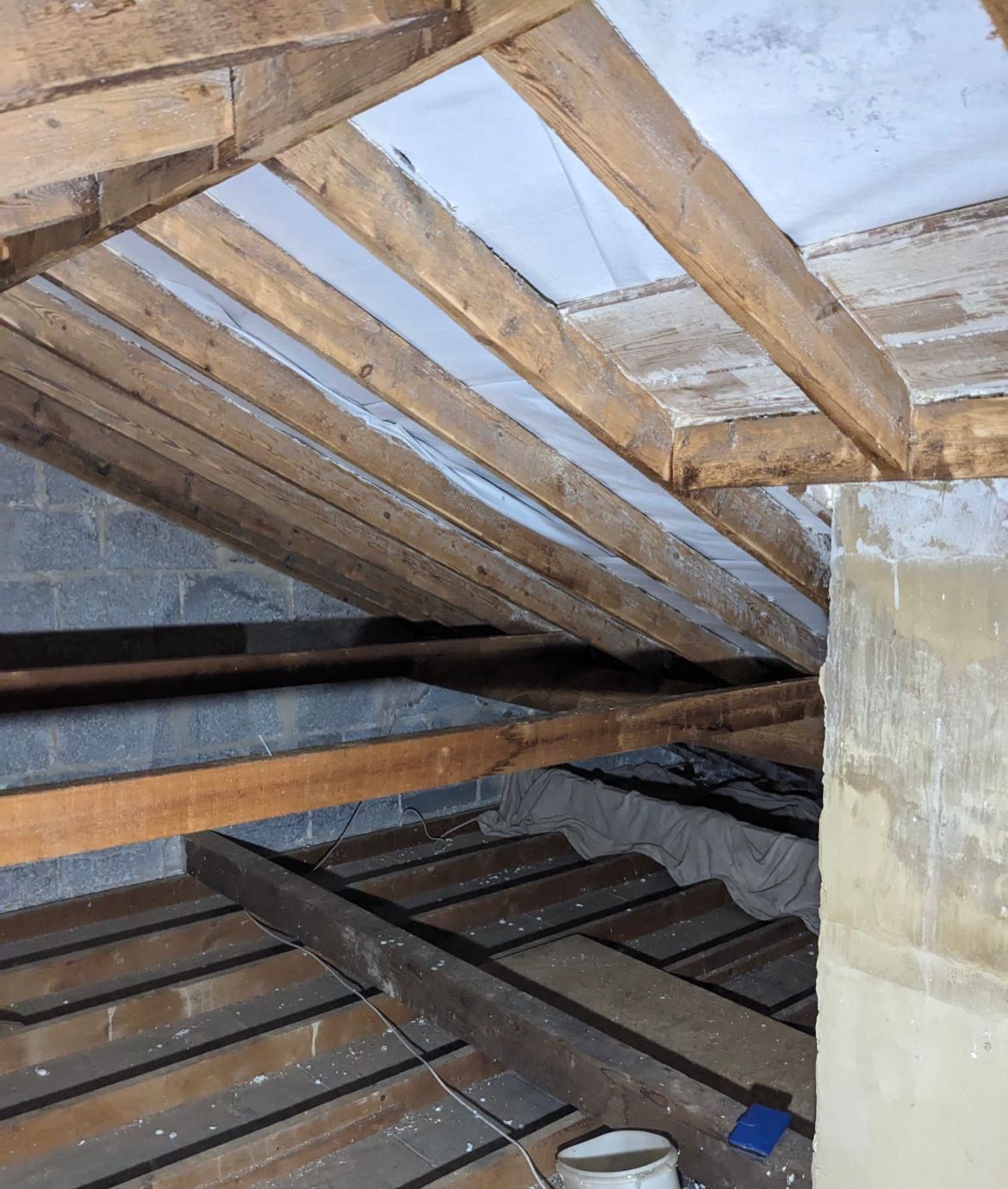
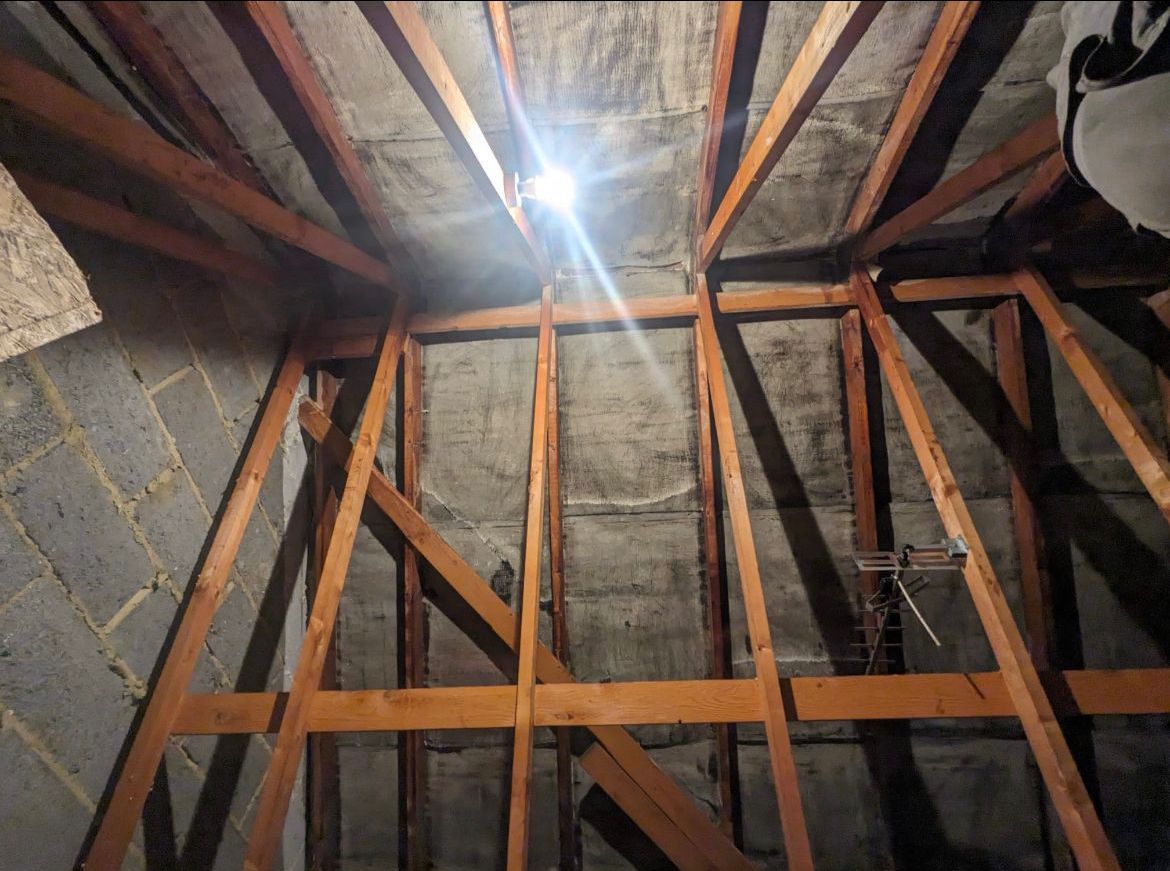
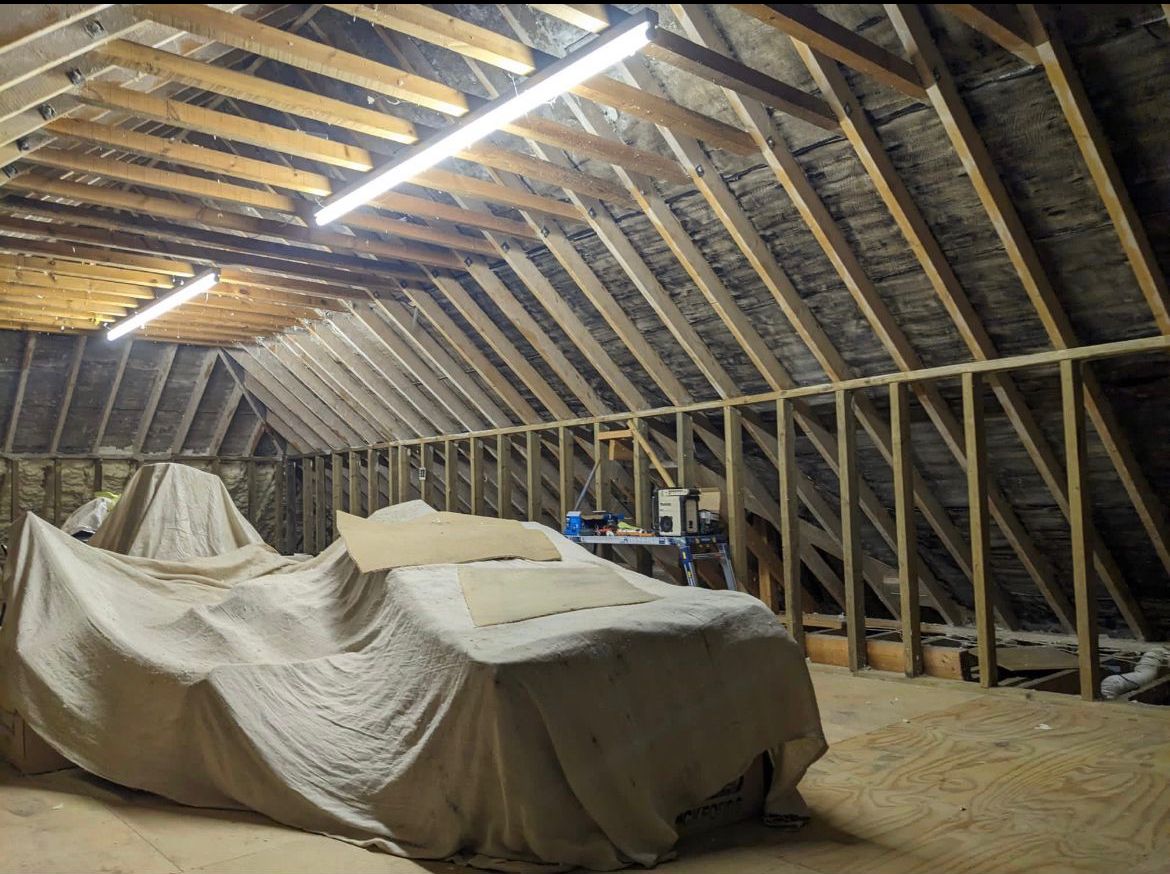
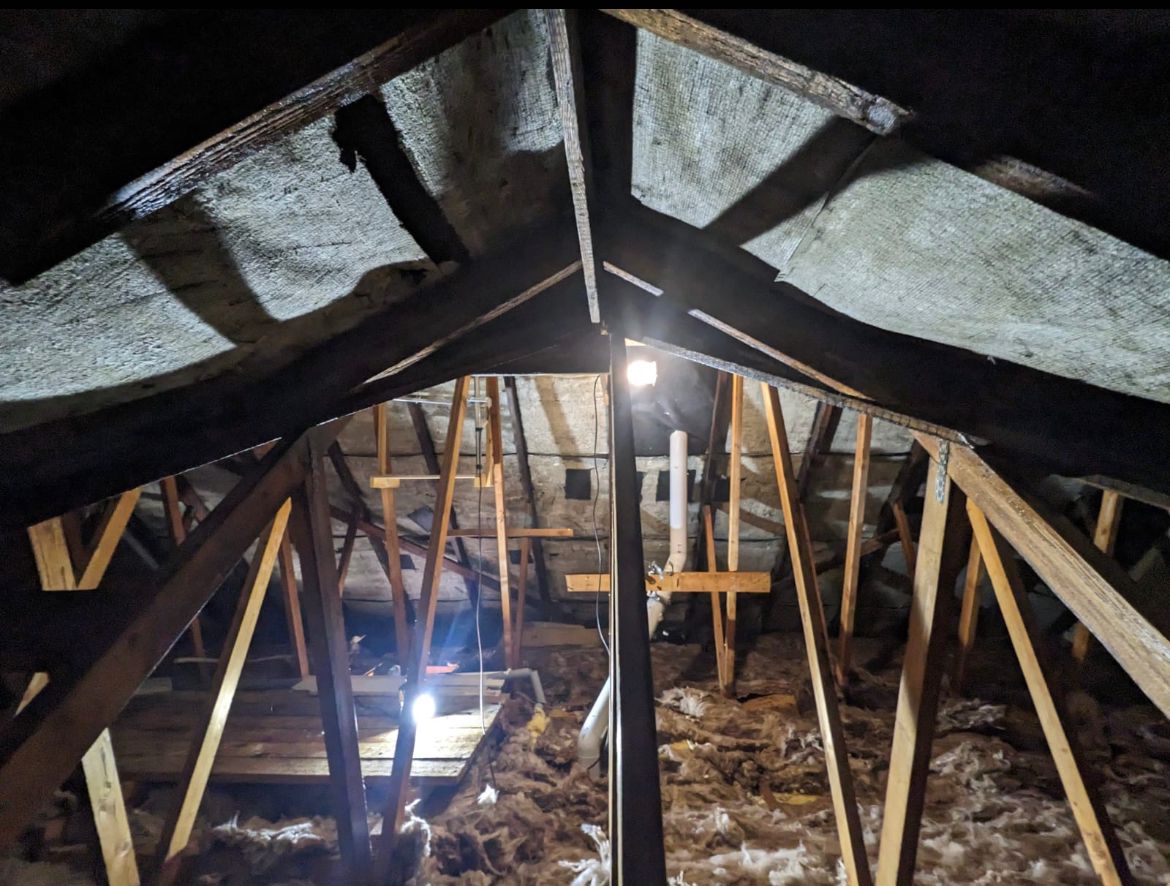
Spray foam removal can improve roof ventilation if the foam blocks airflow or affects moisture control. Removing the foam also exposes hidden areas of the roof. This allows for a more thorough inspection. However, removal alone may not solve every ventilation problem.

The right solution depends on the design and condition of your roof.

Many traditional pitched roofs rely on ventilation to manage moisture and reduce condensation. RICS explains that many pitched roofs in homes and bungalows were designed with ventilation in mind. Adding spray foam can change how the original roof design performs.

If you have concerns about spray foam in your roof, Foam Away can assess your situation. We can then help you decide whether professional spray foam removal is the right next step.

Why Does Your Roof Need Ventilation?

Good roof ventilation helps control moisture and condensation.

Everyday activities such as cooking, washing and drying clothes create water vapour. Warm, moist air can rise through your home and enter the loft.

When this air reaches a cold surface, condensation can form.

In a traditional cold roof, insulation helps keep heat within the rooms below. Ventilation allows air to move through the roof space and helps control moisture.

RICS explains that airflow within a cold roof can help manage moisture and reduce the risk of condensation.

Problems can develop when changes to the roof affect this balance.

Spray foam installed beneath the roof can change how the roof manages heat, airflow and moisture. This does not mean every installation will cause problems. However, installers need to consider ventilation, moisture control and the overall roof construction.

If you have concerns about poor airflow or condensation, a professional assessment can help identify the cause.

How Can Spray Foam Affect Roof Ventilation?

Spray foam does not automatically mean that your roof has a problem. However, an unsuitable installation can affect ventilation and moisture control.

Several factors determine how spray foam affects a roof. These include the type of foam, the installation method, roof construction, underlay and existing ventilation.

Problems can develop when installers fail to consider these factors properly.

RICS advises that some spray foam products need a ventilation channel behind the insulation. This helps manage condensation and moisture. Poor installation may restrict airflow and increase the risk of moisture problems.

Research from the Building Safety Regulator also shows that every roof is different. The type of foam, underlay and moisture control measures can all affect the risk of moisture and timber damage.

For this reason, you should assess the individual property rather than assume that all spray foam is safe or problematic. A professional assessment can help identify any concerns and determine whether spray foam removal is the right solution.

Signs Your Spray Foam Could Be Affecting Roof Ventilation

It is not always easy to tell whether your roof has enough ventilation. However, certain signs may suggest that you need a closer inspection.

Condensation

Regular condensation in your loft can indicate a moisture problem. Occasional moisture does not mean spray foam is the cause. However, persistent condensation may suggest that the roof cannot manage moisture effectively.

Dampness or Mould

Look for damp patches, mould or persistent moisture in your loft. These signs may indicate poor airflow or another problem that needs attention.

A Musty Smell

A persistent musty smell can point to excess moisture in the loft. Poor ventilation may contribute to the problem.

Concerns About Roof Timbers

Spray foam can cover large areas of roof timber. This can make it harder to inspect rafters and other important parts of the roof.

This may become particularly important when you sell or remortgage your property.

Concerns Raised by a Surveyor

A surveyor may recommend further investigation if spray foam prevents them from inspecting the roof properly.

RICS explains that a surveyor may request an independent specialist report when they find spray foam. The findings may then influence their assessment of the property.

If you notice any of these signs, consider arranging a professional assessment. This can help you understand the condition of your roof before deciding whether spray foam removal is necessary.

Will Removing Spray Foam Fix Roof Ventilation Problems?

Spray foam removal may improve roof ventilation, but it will not fix every problem.

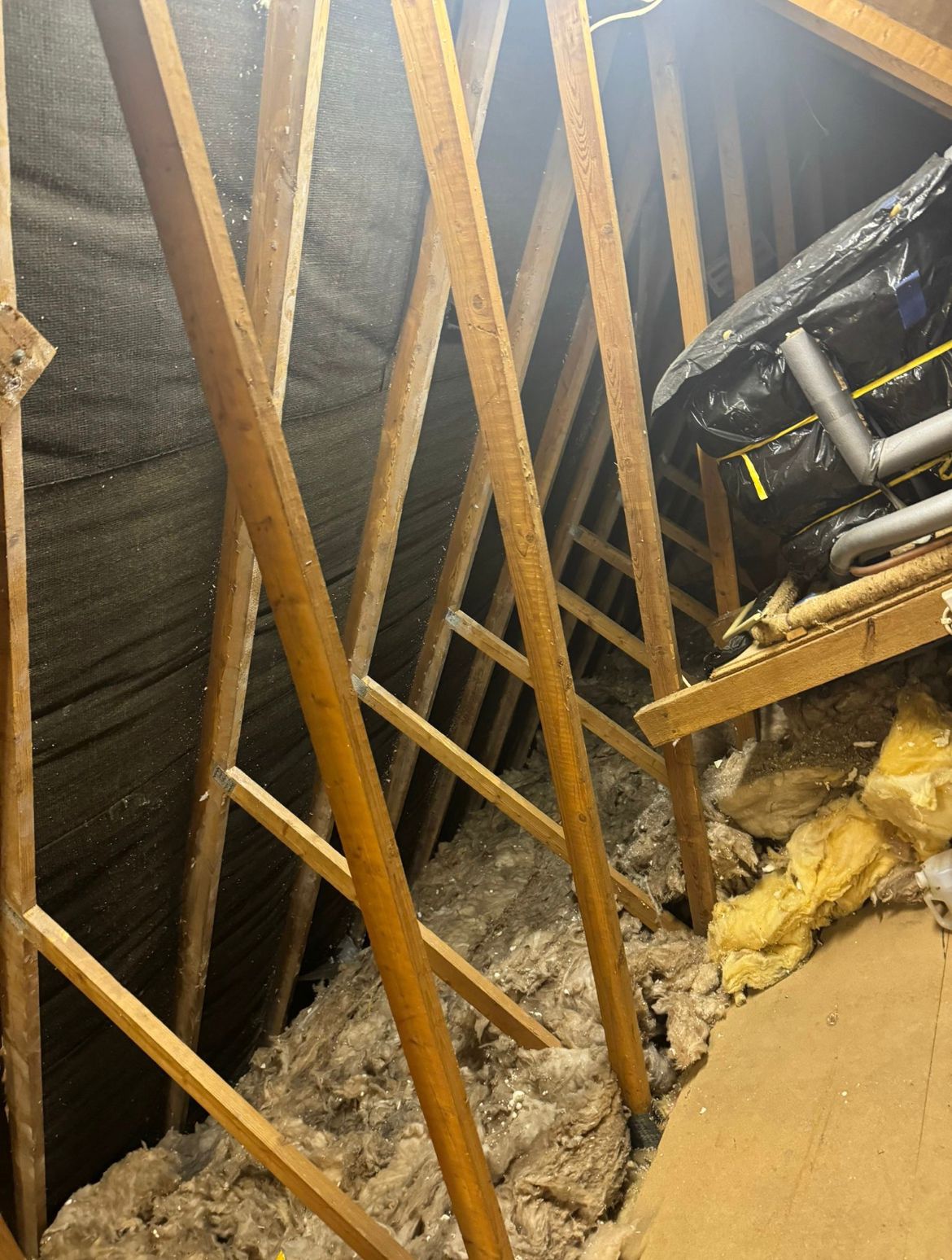
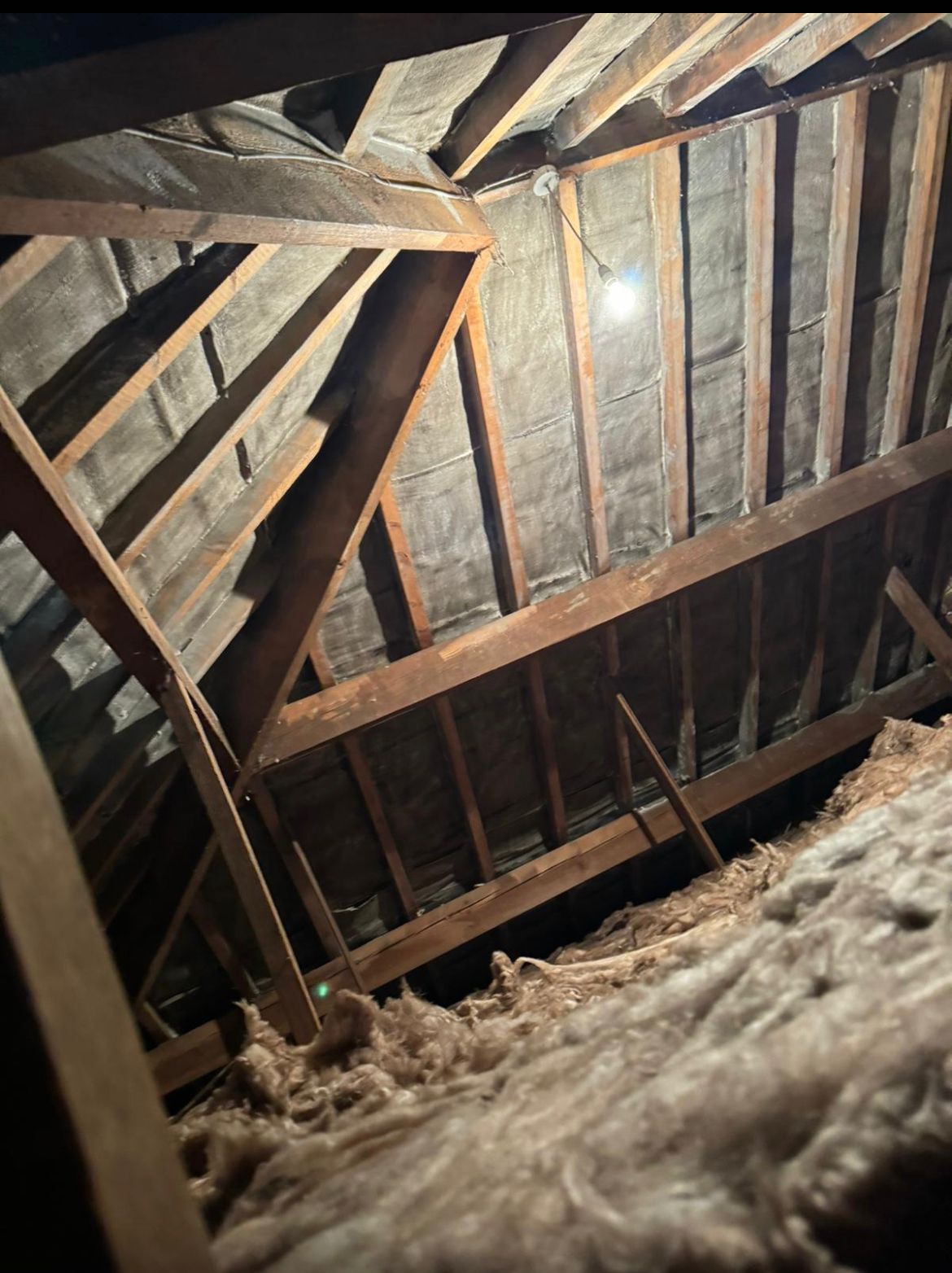
If spray foam blocks a ventilation route, careful removal may help restore airflow. Removing the foam can also expose roof timbers and membranes. This makes it easier to inspect the roof and identify potential problems.

However, poor ventilation can have several causes. Your roof may lack suitable ventilation or have existing defects. High moisture levels or unsuitable insulation can also contribute to the problem.

For this reason, professional spray foam removal should form part of a careful assessment rather than act as a universal solution.

After removing the foam, a specialist can assess the roof. You can then consider any ventilation improvements, repairs or replacement insulation that may be needed.

Should You Have Spray Foam Removed?

Not every property with spray foam needs immediate removal.

Trading Standards advises homeowners to seek appropriate advice before making a decision. Removing spray foam may not always be necessary. It also does not guarantee that mortgage concerns will disappear.

However, you may want to consider professional spray foam removal if you have persistent condensation or moisture. You may also need advice if the foam prevents a proper roof inspection or a surveyor has raised concerns.

The issue can become particularly important when selling, buying or remortgaging a property.

Some surveyors, valuers and lenders may ask further questions when they find spray foam. However, this does not automatically make your property unmortgageable. Each lender has its own requirements.

If you plan to sell or remortgage, speak to your lender or surveyor first. Find out what they require before arranging spray foam removal specifically for the transaction.

What Happens During Professional Spray Foam Removal?

Professional spray foam removal requires care and attention. It involves much more than simply pulling insulation away from the roof.

Specialists aim to remove the unwanted foam while protecting the structure underneath. The process will vary depending on the property and how installers originally applied the foam.

Spray foam may surround rafters, stick to membranes or sit in difficult areas of the roof. These factors can make some removal projects more complex than others.

Careful removal helps reduce the risk of damaging roof timbers, membranes and other materials.

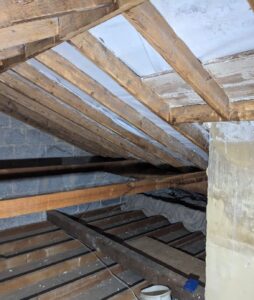
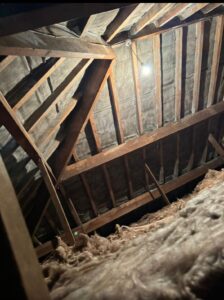
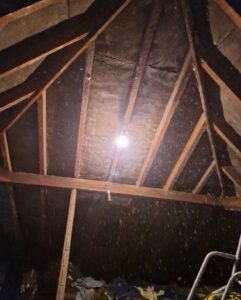
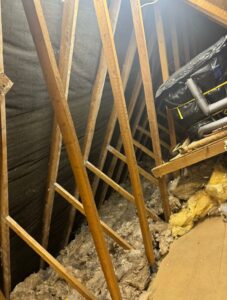
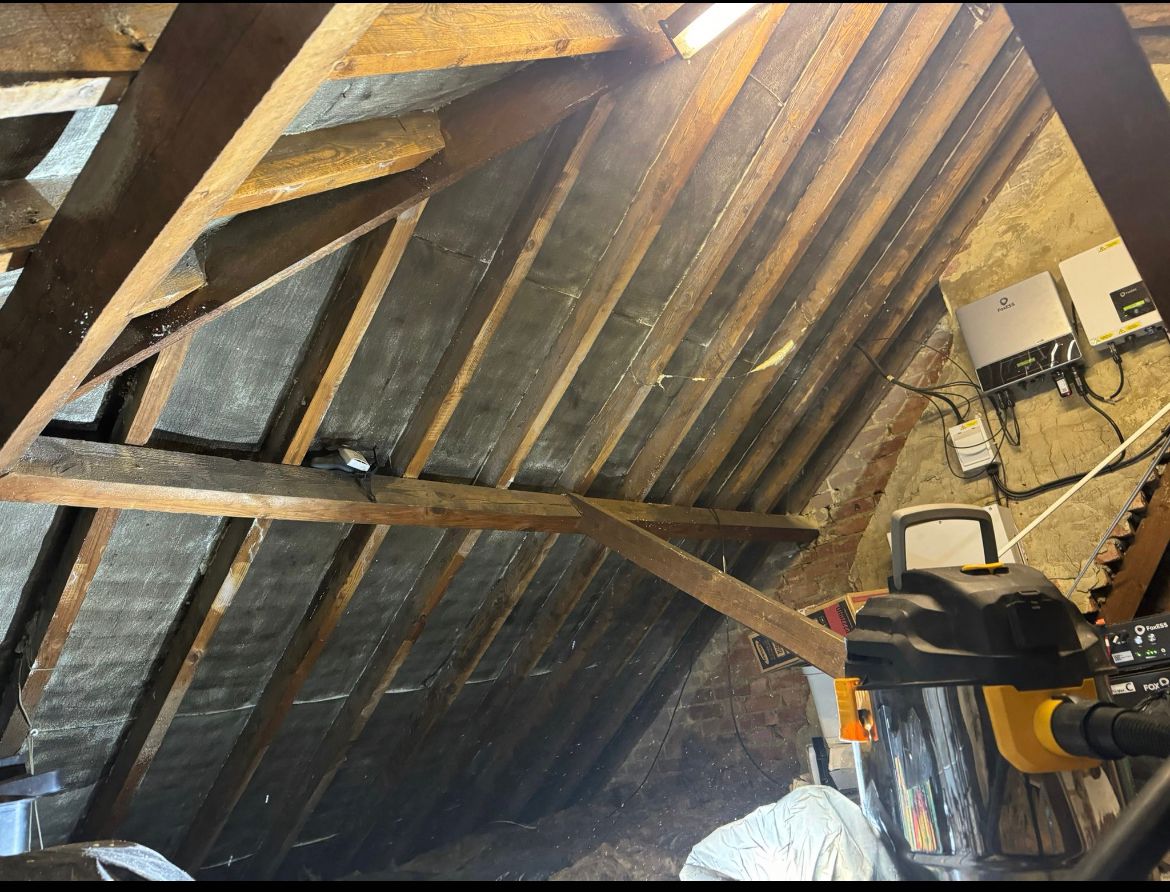
Once the foam has gone, previously hidden areas become easier to inspect. You can then assess the condition of the roof and identify any ventilation concerns.

This is one of the main reasons to avoid DIY spray foam removal. Without the right approach, you could cause unnecessary damage to your roof.

What Happens to Your Roof After Spray Foam Removal?

Removing spray foam can reveal much more about the condition of your roof.

Once the foam has gone, you can inspect previously covered timbers and surrounding materials. You can also check ventilation routes and look for signs of moisture or damage.

If the inspection reveals a problem, you can then decide what work the roof needs.

You should also consider suitable replacement insulation. The right choice will depend on your roof construction and ventilation requirements.

Do not treat insulation, ventilation and moisture control as separate issues. They all play a part in keeping the roof in good condition.

Government research shows that moisture risk can vary between different roof designs and spray foam installations. This makes a property specific approach particularly important.

How Much Does Spray Foam Removal Cost?

The cost of spray foam removal varies from property to property. Even similar sized lofts can require very different amounts of work.

Several factors can affect the price. These include the size of the roof space, the amount and type of foam and how easily specialists can access it. The way installers applied the foam can also affect the cost.

The roof construction matters too. Some foam is relatively easy to reach. Other installations may involve complex roof structures or delicate materials that require extra care.

For this reason, avoid relying on generic prices online. A professional assessment will provide a clearer picture of the work required and the likely cost.

If you are comparing spray foam removal companies, look beyond the price. Consider the work included in the quotation and how the company plans to approach the removal.

Is DIY Spray Foam Removal a Good Idea?

DIY spray foam removal can be difficult and may cause unnecessary damage to your roof.

Removing the visible foam is only part of the job. You also need to protect the materials beneath and around it.

Spray foam can stick firmly to roof timbers and membranes. Electrical cables may also run through the loft. Removing the foam without enough care could damage these important components.

You may also leave sections of foam behind and continue to hide parts of the roof from view.

If you have condensation or damp, you should investigate the cause rather than assume that the spray foam is responsible.

Professional roof spray foam removal offers a safer and more careful approach. A specialist can remove the unwanted material while taking greater care around the existing roof structure.

Common Spray Foam Removal Mistakes

A common mistake is assuming that all spray foam causes the same problems. It does not. The roof design, materials, ventilation and installation method all make a difference.

Homeowners may also assume that removal will automatically solve condensation. Removing the foam may help, but you should still check the roof’s ventilation and moisture levels.

Avoid installing new insulation before checking the roof. You need to understand its ventilation requirements first.

DIY spray foam removal can also cause problems. You could damage roof membranes, timbers, wiring or other important components.

Do not wait until you sell or remortgage your home before investigating known concerns. Acting earlier gives you more time to understand the problem and consider your options.

Can Spray Foam Cause Mortgage Problems?

Yes, spray foam can sometimes cause concerns during a mortgage application, remortgage or property sale. This can happen when the foam prevents a valuer or surveyor from inspecting the roof properly.

However, spray foam does not automatically prevent you from getting a mortgage. Some lenders will consider properties with spray foam and assess each application individually.

RICS also explains that spray foam can influence a surveyor’s opinion of a property. In some cases, they may ask for an independent specialist report.

If you plan to sell or remortgage your home, speak to your lender or surveyor first. Find out what they require before arranging spray foam removal specifically for a mortgage or property sale.

Spray Foam Removal in Dorset

If you need spray foam removal in Dorset, choosing an experienced specialist can make the process much simpler. Professional removal can help expose your roof structure and allow you to address any concerns about ventilation or moisture.

Foam Away provides spray foam removal in Bournemouth, Poole, Christchurch and across Dorset. We also help homeowners throughout the UK.

You may have concerns about condensation, poor ventilation or an upcoming property sale. A surveyor may also have raised questions about your spray foam insulation. Whatever the reason, the first step is to assess the existing installation and understand your options.

If you are searching for spray foam removal near me, speak to Foam Away. We can assess your requirements and advise whether professional removal is the right choice for your property.

Why Choose Foam Away for Spray Foam Removal?

Every roof is different. That is why spray foam removal requires care and attention.

Foam Away helps homeowners remove unwanted spray foam insulation and understand what to do next. We take the individual property and existing installation into account.

We believe in taking a practical approach. We do not want homeowners to worry unnecessarily. However, you should not ignore genuine concerns about moisture, ventilation or hidden roof timbers.

Our aim is simple. We assess the situation, identify the work required and approach removal with care for the surrounding roof structure.

If you need professional spray foam removal in Dorset or elsewhere in the UK, contact Foam Away. We can discuss your property and provide a quotation based on the work required.

Frequently Asked Questions About Spray Foam Removal

How do I know whether my spray foam needs removing?

Look for persistent condensation, damp, moisture or hidden roof timbers. A surveyor may also raise concerns about the installation. If you notice any of these issues, arrange a professional assessment before deciding on removal.

Can you remove spray foam without replacing the roof?

Yes, in many cases. It depends on the condition of the roof, the type of foam and how installers applied it. Spray foam does not automatically mean you need a new roof.

How long does spray foam removal take?

Timescales depend on the size of your roof, access and the amount of foam present. The type of foam and installation method can also affect removal time.

Should I get a quote before arranging removal?

Yes. Ask for a quote based on your property rather than relying on generic online prices. Every spray foam installation is different.

Can I remove spray foam before remortgaging?

Yes, but removal does not guarantee mortgage approval. Speak to your lender first and confirm their requirements before arranging the work.

Do you provide spray foam removal in Bournemouth?

Yes. Foam Away provides spray foam removal in Bournemouth, Poole, Christchurch and across Dorset. We also help homeowners throughout the UK.

Does Spray Foam Removal Create a Lot of Dust or Mess?

How Much Dust and Mess Does Spray Foam Removal Create?

If you are considering spray foam removal, one of the first questions you are likely to ask is whether the process creates a significant amount of dust or leaves your home in a mess. It is a perfectly reasonable concern. After all, any work carried out within a roof space has the potential to generate debris, particularly when insulation materials need to be removed from timber rafters and other structural elements.

The reassuring news is that whilst some dust and waste are unavoidable, professional spray foam removal is far cleaner and more controlled than many people expect. Experienced specialists use carefully planned working methods, protective equipment and thorough cleaning procedures to minimise disruption, helping to keep your property as clean as possible throughout the process.

For homeowners across Dorset, understanding what happens during spray foam removal can help remove much of the uncertainty surrounding the work and allow you to prepare with confidence.

Does Spray Foam Removal Create Dust?

The simple answer is yes. Removing any bonded insulation material will inevitably produce some dust and loose particles. However, the amount of dust created depends on several important factors, including the type of spray foam that has been installed, how it was originally applied and the techniques used during removal.

Closed cell spray foam, for example, is generally denser and more rigid than open cell foam. As a result, removing it often produces slightly larger fragments rather than fine particles. Open cell foam is lighter and softer, meaning it can sometimes create finer debris during removal.

Regardless of the type of insulation involved, professional contractors expect this from the outset and take appropriate measures to manage it effectively. Rather than allowing dust to spread throughout the property, experienced teams work within controlled areas and use specialist equipment designed to capture airborne particles as work progresses.

Why Professional Spray Foam Removal Is Much Cleaner Than DIY Removal

Some homeowners attempt to remove spray foam insulation themselves to save money. Although this may seem straightforward, the process is often far more challenging than expected.

Spray foam bonds firmly to roof timbers, making it difficult and time consuming to remove. Without the right tools and experience, DIY removal can create large amounts of debris and allow dust to spread beyond the loft.

Professional spray foam removal follows a structured process that keeps disruption to a minimum. Before work begins, contractors assess the roof and plan the safest and cleanest removal method. They understand how different types of spray foam behave and adapt their approach to suit each property.

Attempting to complete the work without suitable equipment can easily result in a far messier outcome than many homeowners anticipate.

How Professionals Minimise Dust Throughout the Process

Professional spray foam removal does more than remove insulation. It also protects the rest of your home throughout the process.

Contractors prepare every project carefully before work begins. They protect the surrounding area to prevent dust from spreading beyond the workspace.

They often cover floors, loft access points and nearby belongings with protective sheeting. When needed, they also seal sections of the property to contain airborne dust and debris.

This careful preparation reduces disruption and keeps cleaning to a minimum once the work is complete.

Specialist Equipment Makes a Significant Difference

One of the biggest differences between professional and amateur spray foam removal is the quality of the equipment being used.

Experienced contractors rely on specialist tools designed specifically for controlled insulation removal. Rather than simply breaking away sections of foam and allowing debris to fall freely, they remove material methodically whilst managing waste as they work.

Industrial vacuum systems play an important role throughout the process. These machines continuously collect dust and smaller particles before they have the opportunity to spread around the property.

Using professional extraction equipment not only helps maintain a cleaner working environment but also improves visibility for the technicians carrying out the removal. This allows the insulation to be removed more accurately whilst protecting the underlying roof structure.

Protecting Your Property During Spray Foam Removal

Many homeowners worry that spray foam removal will leave every room in the house needing extensive cleaning. In reality, experienced specialists keep disruption to a minimum.

Contractors carry out almost all of the work within the roof space. They carefully manage access routes and protect the surrounding areas to keep dust and debris contained.

Before work begins, they move or cover items stored in the loft to protect them from dust. As they remove the spray foam, they collect waste regularly before carrying out a final clean.

This organised approach limits disruption to the rest of the home and allows you to continue your daily routine with minimal inconvenience.

Does Every Spray Foam Removal Project Produce the Same Amount of Debris?

No two spray foam removal projects create the same amount of dust or waste. Every property presents different challenges.

The thickness of the insulation, the age of the spray foam, the condition of the roof and the accessibility of the loft all affect how much debris contractors produce during removal.

Older spray foam can become more brittle over time, whilst larger roof spaces naturally generate more waste because they contain more insulation.

Before work begins, experienced contractors assess these factors and explain what you can expect. This helps homeowners understand the likely level of disruption and prepares them for the removal process with confidence.

How Homeowners Can Prepare Before Spray Foam Removal

Although your contractor will carry out most of the preparation, there are several simple steps you can take to make the process smoother.

If you use your loft for storage, remove any personal belongings before work begins where possible. This provides clear access to the insulation and reduces the risk of items becoming dusty during removal. Larger items that cannot be moved can usually be covered with protective sheeting by the removal team.

It is also sensible to discuss access arrangements in advance. Ensuring the loft hatch is clear and providing adequate parking for the contractors helps the work begin promptly and keeps disruption to a minimum.

Many homeowners also appreciate knowing roughly how long the work is expected to take. Every property is different, but an experienced contractor should provide a realistic estimate following an initial inspection.

What Happens to the Removed Spray Foam?

Once contractors remove the spray foam, they collect and dispose of it responsibly. They never leave waste material behind in the loft.

Throughout the project, contractors gather the removed insulation to prevent debris from building up in the roof space. They securely bag the waste before removing it from the property.

This organised approach keeps the working area tidy and makes the final clean more efficient. By managing waste throughout the project, contractors reduce the risk of dust and debris spreading unnecessarily.

How Long Does Cleaning Take?

Cleaning plays an essential role in every professional spray foam removal project. Contractors plan it as part of the process rather than leaving it until the end.

Once they remove the insulation, they inspect the roof space for any remaining debris before carrying out a thorough clean. They use specialist vacuum equipment to remove loose dust from accessible surfaces and collect larger fragments by hand.

The amount of cleaning depends on the size of the property and the extent of the original installation. Smaller lofts with less insulation usually require less time, whilst larger roof spaces often need a more thorough clean.

The goal is to leave the loft clean, safe and ready for its next stage, whether that involves a roof inspection, repairs or the installation of new insulation.

Common Misconceptions About Spray Foam Removal

Several misconceptions about spray foam removal cause unnecessary concern for homeowners.

One common myth is that dust spreads throughout the entire house. In reality, professional contractors contain dust within the working area. They use protective sheeting, specialist equipment and proven techniques to keep disruption to the rest of the property to a minimum.

Another misconception is that spray foam removal always damages the roof. Experienced specialists remove the insulation carefully to protect the existing roof structure wherever possible. This also allows the underlying timbers to be inspected once the foam has been removed.

Some homeowners also believe they can achieve the same results using standard household tools. In most cases, DIY removal creates more dust, takes longer and increases the risk of damaging the roof structure.

Why Experience Matters

Spray foam removal demands patience, precision and a thorough understanding of different insulation products. Every roof is different, so each project requires its own approach.

Experienced contractors adapt their methods to suit the type of spray foam, the condition of the roof and the layout of the loft. They identify where dust is most likely to form and take steps to contain it before removal begins.

This careful preparation protects your home and helps the work progress efficiently.

For homeowners in Dorset, choosing an experienced spray foam removal specialist provides reassurance that the project will be completed professionally. Cleanliness remains a priority from the moment work starts until the final clean is complete.

Some homeowners arrange spray foam removal after a mortgage lender or survey raises concerns about the insulation. Professional removal allows the roof structure to be fully inspected, giving a clearer picture of its overall condition.

Final Thoughts

Spray foam removal does create some dust and debris, but it is far from the uncontrolled and excessively messy process that many people imagine.

With careful planning, protective measures and specialist equipment, experienced contractors can keep disruption to a minimum whilst protecting the rest of your property. Contractors manage dust throughout the project and carry out a thorough clean before completing the job

Whilst every property is unique, homeowners can usually expect a well organised process that prioritises cleanliness alongside the safe removal of the insulation.

If you are considering spray foam removal in Dorset and would like to understand what the process involves, speaking with an experienced specialist can provide tailored advice based on your property and help you approach the project with confidence.

Can Spray Foam Removal Save My Roof?

Can Removing Spray Foam Protect My Roof?

If you have spray foam insulation in your loft, you may have begun to wonder what is happening to the roof beneath it. Perhaps a surveyor has raised concerns. Perhaps you are preparing to sell your property or remortgage it. Or perhaps you simply want to know whether removing the foam now could prevent a relatively manageable issue from becoming a much more expensive roofing problem.

It is an important question, particularly because the presence of spray foam does not automatically mean that a roof is damaged.

However, spray foam can make it difficult to see parts of the roof structure and, where an installation is unsuitable or has been carried out incorrectly, problems involving ventilation, moisture and condensation can arise. RICS advises that incorrectly installed insulation can negatively affect ventilation and may result in moisture damage.

For homeowners across Dorset, professional spray foam removal can therefore be an important first step towards understanding what condition a roof is actually in.

How Can Spray Foam Affect Your Roof?

Spray polyurethane foam is applied as a liquid before expanding and hardening into an insulating layer. In roof spaces it may be applied to the underside of the roof.

The difficulty is not simply the presence of insulation. A roof is a complete system in which insulation, ventilation, moisture movement, roof coverings and structural timbers all have to work together.

RICS explains that a typical pitched roof loft is designed with ventilation that helps manage water vapour and reduce condensation risk. Applying spray foam to the underside of a roof changes the way that roof space behaves. If those changes have not been properly designed and managed, unintended problems can occur.

Potential concerns can include:

  • Restricted ventilation
  • Increased condensation risk
  • Moisture becoming trapped within the roof construction
  • Difficulty inspecting roof timbers
  • Existing defects being concealed
  • Greater difficulty identifying leaks or deterioration

This does not mean that every home containing spray foam will experience these problems.

The quality of the original installation, condition of the roof, type of roof construction, ventilation arrangements and materials used all matter.

The House of Commons Library also notes that spray foam, when installed incorrectly or used inappropriately, may reduce ventilation, contribute to dampness and condensation, and put timber roof structures at risk of decay.

Why Can Spray Foam Make Roof Inspections Difficult?

One of the most significant concerns surrounding spray foam insulation removal is visibility.

A roof inspection relies upon being able to see and assess the materials that form the structure. If foam is firmly attached to timbers, felt or other surfaces, important areas may be partially or completely hidden.

Imagine trying to judge the condition of a wooden table while much of its surface is covered by a thick, opaque material. You might be able to inspect the exposed sections, but you cannot confidently say what lies beneath the covering.

The same principle applies to a roof.

A surveyor or roofing professional may want to examine timbers for evidence of moisture, deterioration or structural defects. Spray foam can make that examination more difficult.

This is one reason its presence can become particularly important when a property is being sold or remortgaged.

Common Signs Your Roof May Need Investigating

Homeowners should not attempt to diagnose structural roof problems themselves, but there are circumstances in which seeking professional advice would be sensible.

These can include:

  • A persistent damp or musty smell within the loft
  • Visible moisture or condensation
  • Water staining
  • Mould growth
  • Evidence of roof leaks
  • Areas of timber that appear unusually dark or damp
  • Visible deterioration in accessible timber
  • Problems identified during a property survey
  • Concerns raised by a mortgage valuer
  • Missing paperwork relating to the original spray foam installation

You may also have no obvious symptoms at all.

That is precisely why inspection matters. The purpose of removing spray foam should not be to assume that damage exists. It should be to establish the facts.

What Happens When Spray Foam Is Removed?

Professional spray foam removal involves carefully removing the insulation from the areas to which it has adhered.

The precise method required will depend upon the foam, the way it was installed and the construction of the roof.

The objective is not merely to make the loft look tidier. Removal should expose the underlying structure sufficiently for its condition to be considered properly while avoiding unnecessary damage to the materials beneath.

Once the foam has been removed, previously concealed areas can be examined.

At this stage, a homeowner can obtain a much clearer picture of whether the roof is sound or whether remedial work should be considered.

This is also why attempting spray foam removal yourself can prove unwise. Roof structures contain materials that should not be damaged indiscriminately, and aggressive removal could potentially create additional problems.

Can Roof Timbers Recover After Spray Foam Removal?

This depends entirely upon their condition.

If the timbers are structurally sound and have not suffered significant deterioration, removing the foam may reveal that relatively little remedial work is necessary.

If moisture is present but the timber remains sound, the appropriate response may involve identifying the source of that moisture and ensuring the roof is allowed to perform correctly.

Where timber has suffered genuine decay or structural deterioration, however, removing the foam will not restore the damaged wood.

Repairs may then be necessary.

Will I Still Need Roof Repairs After Spray Foam Removal?

Possibly, but certainly not always.

There is an understandable fear among homeowners that discovering spray foam means discovering that an entire roof needs replacing. That conclusion should not be reached without evidence.

There are several possible outcomes following professional removal.

The exposed roof may be found to be in satisfactory condition. Minor repairs may be required in isolated areas. Moisture or ventilation concerns may need addressing. Individual timbers might require attention. In more serious cases, substantial roofing work could be necessary.

The extent of any repair should therefore be based upon the actual condition of the roof rather than an assumption made before the foam has been removed.

RICS advises homeowners to consider the condition of a roof as a whole and stresses the importance of keeping a property wind and watertight. It also notes that adding insulation to a poorly maintained roof can increase its vulnerability to moisture and accelerate deterioration of untreated timber structures.

Early investigation can consequently be valuable. Discovering a manageable problem sooner is preferable to leaving it concealed until it becomes more extensive.

Can Removing Spray Foam Help With Mortgage or Property Sale Problems?

This has become an important consideration for many homeowners.

The House of Commons Library published a briefing on spray foam insulation and mortgages in January 2026, noting that some homeowners have experienced difficulties selling or remortgaging properties containing spray foam insulation.

RICS similarly states that spray foam can affect a surveyor’s professional opinion of a property’s value. A surveyor encountering spray foam may request an independent specialist report, and the outcome can influence the valuation.

Professional removal may therefore form part of resolving a mortgage or property sale difficulty.

It is important, however, to be precise.

Removing spray foam does not guarantee that a lender will offer a mortgage.

Different lenders have different policies and individual properties are assessed according to their particular circumstances.

Following removal, further evidence or inspection may be required to establish the condition of the roof. Homeowners preparing to sell or remortgage should therefore retain relevant documentation relating to both the original installation, where available, and any subsequent removal or remedial work.

Why Professional Spray Foam Removal Matters

It can be tempting to regard spray foam removal as little more than scraping insulation away from timber.

In reality, the task requires considerably greater care.

The material may be firmly adhered to the roof structure and surrounding surfaces. Removing it without understanding what lies beneath can risk damaging roofing materials or leaving areas inadequately exposed.

Professional removal is particularly important when the purpose of the work is to enable a subsequent roof inspection, support a property sale or address concerns raised during a mortgage application.

A thorough approach gives the homeowner something far more useful than a loft that merely looks different. It creates the opportunity for the underlying roof to be properly understood.

What Should You Do After Spray Foam Removal?

Once the spray foam has been removed, resist the temptation to regard the matter as automatically resolved.

The exposed structure should be considered carefully.

If there were concerns about moisture, timber condition or roof defects, an appropriate professional inspection may be sensible. Any necessary repairs can then be identified on evidence rather than speculation.

Homeowners should also consider how the property will be insulated afterwards.

Removing an unsuitable insulation system does not remove the need for good energy efficiency. It simply provides an opportunity to consider an insulation approach appropriate to the construction and ventilation requirements of the property.

Documents relating to removal, inspections and subsequent work should also be kept safely. They may prove useful when selling, remortgaging or answering questions from a future surveyor.

Why Trust Foam Away?

For Dorset homeowners, discovering that spray foam insulation may need removing can feel daunting. The most useful response is not alarm but clarity.

Foam Away provides professional spray foam removal services for homeowners who want to understand what is happening beneath their existing insulation and take an informed approach to their property.

Our focus is on careful removal and straightforward guidance, helping homeowners move from uncertainty towards a clearer understanding of their roof.

Whether your concerns have arisen following a survey, during a mortgage application, ahead of selling your property or simply because you want the spray foam removed, speaking to a specialist can help you understand the options available.

Conclusion

Spray foam removal cannot undo damage that has already occurred, but it can be an important step in protecting the future of your roof. By removing insulation that conceals the underlying structure, homeowners can gain a much clearer understanding of the condition of their roof timbers and identify any moisture, ventilation or deterioration concerns that require attention.

Crucially, the presence of spray foam does not automatically mean that your roof is damaged or needs replacing. Every property is different, and the condition of the roof should be properly assessed before conclusions are drawn.

For homeowners across Dorset, professional spray foam removal can provide clarity, particularly when concerns have arisen during a survey, mortgage application or property sale. Acting sooner also means that any underlying problems can be identified and addressed before they have an opportunity to become more serious.

If you are concerned about spray foam insulation in your property, Foam Away can provide professional advice and careful spray foam removal throughout Dorset. Contact the team today to discuss your property, request a quotation and take the first step towards understanding what is really happening beneath your insulation.

Can Roofers Repair a Roof Without Removing Spray Foam?

Can a Roof Be Repaired Without Removing Spray Foam Insulation?

Spray foam insulation has become one of the most controversial roofing products in the United Kingdom. While it was once marketed as a way to improve energy efficiency and reduce heat loss, many homeowners are now discovering that it can create significant challenges when roof repairs become necessary.

If your roof has developed a leak, suffered storm damage or simply reached the point where maintenance is required, you may be wondering whether a roofer can carry out repairs without first removing the spray foam.

In many cases, the answer is no.

Although every roof is different, spray foam insulation often prevents roofers from inspecting the structure properly and completing repairs to a professional standard. Understanding why this happens can help you make informed decisions that protect both your property and its long term value.

Why Spray Foam Creates Challenges for Roof Repairs

Traditional loft insulation sits on the loft floor, leaving the roof structure visible and accessible. This allows roofers to inspect rafters, battens, felt and fixings whenever maintenance or repairs are needed.

Spray foam works very differently.

Once applied, it expands rapidly before hardening into a rigid material that adheres tightly to every surface it touches. Depending on the type of foam used, it may completely encapsulate the roof timbers and the underside of the roof covering.

Whilst this may appear beneficial from an insulation perspective, it creates significant obstacles whenever roofing work becomes necessary.

Instead of seeing the roof’s condition, contractors are faced with a continuous layer of hardened foam that conceals everything beneath it.

Roofers Need to Inspect the Entire Roof Structure

Before carrying out any repair, a professional roofer will usually perform a thorough inspection to establish the cause of the problem.

This assessment may include examining:

  • Roof timbers
  • Battens
  • Roofing felt or membrane
  • Fixings and nails
  • Signs of water ingress
  • Timber movement
  • Rot and fungal decay
  • Ventilation pathways

When spray foam covers these components, carrying out a meaningful inspection becomes extremely difficult.

Without seeing the underlying structure, roofers cannot always determine whether the visible damage is an isolated issue or part of a much larger problem.

Repairing only what can be seen may leave hidden defects untreated, leading to further damage later.

Hidden Damage May Go Undetected

One of the biggest concerns with spray foam insulation is that it can conceal problems developing beneath its surface.

Moisture entering through a damaged tile or flashing may become trapped behind the foam without obvious signs appearing inside the loft.

Over time this moisture can contribute to:

  • Timber decay
  • Damp conditions
  • Fungal growth
  • Corrosion of fixings
  • Structural weakening

Because the foam prevents direct inspection, these issues may continue unnoticed until significant deterioration has already occurred.

By the time visible symptoms appear inside the property, repairs may be considerably more extensive than they would have been if the roof structure had remained accessible.

Replacing Damaged Tiles Becomes More Difficult

Many roofing repairs involve replacing individual tiles or slates that have cracked, slipped or become damaged during bad weather.

Ordinarily, these repairs are relatively straightforward.

However, when spray foam has bonded the underside of the roof covering to the surrounding structure, removing even a single tile can become far more complicated.

Instead of lifting the damaged tile independently, roofers may find it firmly attached to neighbouring materials by the hardened foam.

Attempting to remove it can increase the risk of damaging surrounding tiles or affecting larger sections of the roof.

As a result, what might once have been a simple repair may require additional work before the damaged area can even be accessed.

Spray Foam Can Restrict Necessary Roofing Work

Roof repairs are rarely limited to replacing a broken tile.

Contractors may also need access to:

  • Roofing felt
  • Battens
  • Rafters
  • Lead flashings
  • Valleys
  • Chimney junctions
  • Roof windows

Spray foam can obstruct access to these important structural elements.

Without removing sections of the foam, roofers may be unable to carry out repairs to the standard expected by both the industry and the homeowner.

Rather than attempting partial repairs with limited visibility, many contractors recommend exposing the roof structure properly before beginning work.

Why Many Roofing Contractors Recommend Removing Spray Foam

Professional roofers have a responsibility to carry out repairs safely and to a high standard.

If they cannot properly inspect the roof or verify the condition of the supporting structure, they may be unwilling to guarantee their work.

Removing the spray foam allows them to:

  • Fully inspect the roof
  • Identify hidden defects
  • Assess timber condition
  • Replace damaged structural components
  • Complete repairs with confidence
  • Ensure nothing important has been overlooked

This approach provides homeowners with greater reassurance that repairs address the underlying problem rather than simply treating the visible symptoms.

Can Roof Repairs Be Completed Without Removing All the Foam?

In a small number of situations, limited repairs may be possible without complete removal.

For example, if damage is entirely external and does not require access to the concealed roof structure, a roofer may be able to complete certain maintenance tasks.

However, these situations are often the exception rather than the rule.

Every roof should be assessed individually, and contractors should never assume hidden structural elements remain in good condition simply because they cannot be seen.

Where uncertainty exists, removing the foam usually provides the safest and most reliable solution.

Spray Foam Can Affect Ventilation

A healthy roof depends upon effective airflow.

Ventilation helps control moisture levels within the roof space and reduces the likelihood of condensation developing around timber components.

When spray foam is applied directly to the underside of the roof covering, natural ventilation pathways may be reduced or blocked.

Although modern spray foam products differ in their characteristics, poor ventilation can contribute to increased moisture retention within certain roof constructions.

During repair work, roofers often need to assess whether ventilation remains adequate once repairs have been completed.

Without removing sections of spray foam, this assessment can be much more difficult.

Roof Repairs Should Address the Cause, Not Just the Symptoms

Fixing a leak involves far more than replacing a damaged tile.

Professional roofers aim to identify why water entered the property in the first place.

This may involve investigating:

  • Failed flashing
  • Deteriorated roofing felt
  • Rotten battens
  • Broken fixings
  • Damaged timbers
  • Movement within the roof structure

Spray foam can prevent these investigations from being completed thoroughly.

Without understanding the root cause of the problem, repairs may provide only a temporary solution.

Mortgage Lenders and Surveyors May Raise Concerns

Many homeowners first become aware of spray foam issues when selling their property or applying for a mortgage.

Some lenders request further investigations where spray foam insulation is present because it limits inspection of the roof structure.

Surveyors may also recommend specialist assessments before confirming the condition of the roof.

If repairs become necessary during this process, removing the spray foam may allow both roofing contractors and surveyors to inspect the structure properly.

This additional transparency can make it easier to understand the true condition of the roof and determine the most appropriate course of action.

Removing Spray Foam Can Protect Your Investment

Although homeowners often focus on the immediate cost of removal, it is important to consider the wider benefits.

Removing spray foam can allow:

  • Comprehensive roof inspections
  • Accurate diagnosis of defects
  • Professional roofing repairs
  • Easier future maintenance
  • Improved property marketability
  • Greater confidence for buyers and surveyors

Rather than repeatedly encountering obstacles whenever maintenance is required, homeowners regain full access to the roof structure for years to come.

Professional Spray Foam Removal Matters

Removing spray foam insulation requires patience, experience and the correct techniques.

The objective is not simply to remove the foam, but to preserve the underlying roof structure wherever possible.

Poor removal methods may damage timber surfaces unnecessarily or leave significant residue that continues to obstruct inspections.

Professional removal specialists understand how different foam products behave and work carefully to expose the roof safely before any roofing repairs begin.

Once removal is complete, roofers can inspect every component properly and recommend any repairs based on the actual condition of the roof rather than assumptions.

Why Choose Foam Away?

Foam Away specialises in the professional removal of spray foam insulation from residential properties across the UK.

The team understands the challenges spray foam creates for homeowners, surveyors and roofing contractors alike. By carefully removing the insulation and exposing the underlying roof structure, Foam Away helps restore full access for inspections, maintenance and repairs.

Whether you are preparing your home for sale, dealing with a roofing issue or responding to concerns raised during a survey, professional spray foam removal can provide the clarity needed to move forward with confidence.

Conclusion

Roof repairs rely on clear access to the roof structure and a full understanding of its condition. When spray foam insulation covers the underside of the roof, it can prevent roofers from carrying out thorough inspections, identifying hidden defects and completing repairs with confidence. Whilst minor work may occasionally be possible without removing the foam, many roofing contractors recommend removal first to ensure any underlying issues are properly addressed.

If your property has spray foam insulation and your roof requires repairs, seeking specialist advice is the best place to start. Professional spray foam removal can expose the roof structure, allowing roofers to assess the condition accurately and complete repairs to the highest standard. At Foam Away, we help homeowners and landlords across the UK remove spray foam safely, making roof inspections, maintenance and repairs far more straightforward. Contact our team today to find out how we can help protect your property and restore confidence in your roof.

Can Spray Foam Insulation Cause Roof Timbers to Rot?

Does Spray Foam Insulation Cause Roof Timber Rot?

Spray foam insulation has become one of the most talked about home improvements in the United Kingdom over recent years. Whilst it was once promoted as an effective way to improve energy efficiency and reduce heating bills, many homeowners and landlords are now discovering that it can create unexpected complications when selling, remortgaging or maintaining their property.

One of the most common questions people ask is whether spray foam insulation causes roof timbers to rot.

The straightforward answer is no. Spray foam insulation does not directly cause timber to rot. However, under certain conditions it can trap moisture, conceal developing problems and make it much harder to identify damage before it becomes serious. Poor installation, inadequate roof ventilation and existing moisture issues are often the real causes of timber decay rather than the insulation itself.

Understanding why these problems occur is essential for anyone who owns a property with spray foam insulation or is considering buying one.

What Causes Roof Timbers to Rot?

Timber rot develops when wood remains damp for an extended period. Fungi naturally present in the environment begin to break down the timber once moisture levels remain consistently high.

Several factors can contribute to this process, including:

  • Persistent condensation within the loft.
  • Roof leaks that go unnoticed.
  • Inadequate roof ventilation.
  • Existing damp problems.
  • Water penetration through damaged roofing materials.

When roof timbers remain dry and properly ventilated, they can last for many decades. Problems usually arise when moisture becomes trapped and cannot escape.

This is why roof ventilation has always played such an important role in maintaining the health of a roof structure.

Can Spray Foam Insulation Increase the Risk?

Whilst spray foam insulation does not create moisture by itself, it can contribute to conditions where moisture remains trapped.

This is particularly true if the insulation has been applied directly onto the underside of roofing felt or roof tiles without allowing the roof structure to breathe correctly.

If condensation forms behind the insulation, it may remain hidden for months or even years before anyone becomes aware of the issue. During this time, roof timbers can slowly deteriorate without obvious warning signs.

This hidden nature is one of the main reasons surveyors and mortgage lenders have become increasingly cautious when assessing properties containing spray foam insulation.

Why Does Roof Ventilation Matter?

Every roof requires some degree of airflow.

Ventilation allows naturally occurring moisture to escape before it has the opportunity to accumulate.

Without sufficient airflow, warm air rising from the home can condense on colder roof surfaces, particularly during winter.

Over time this moisture can lead to:

  • Timber decay.
  • Mould growth.
  • Damp insulation.
  • Corrosion of metal fixings.
  • Reduced lifespan of roofing materials.

When spray foam insulation covers large areas of the roof structure, it may alter the way moisture behaves within the roof space. If the roof was not designed for this type of insulation, ventilation pathways can become restricted, increasing the potential for condensation problems.

Does It Matter Whether the Foam Is Open Cell or Closed Cell?

Yes. The type of spray foam installed can make a significant difference.

Open Cell Spray Foam

Open cell spray foam has a softer texture and is more porous.

It allows some movement of water vapour but is also capable of absorbing moisture under certain conditions. If ventilation is poor, moisture can remain within the insulation for prolonged periods, potentially affecting nearby roof timbers.

Closed Cell Spray Foam

Closed cell spray foam is much denser and forms a more rigid barrier.

It generally absorbs less moisture than open cell foam. However, because it adheres tightly to roof timbers and roofing felt, it can make inspections considerably more difficult. If moisture becomes trapped behind the insulation, it may remain undetected until significant damage has already occurred.

Neither type automatically causes timber rot.

Instead, the condition of the roof, the quality of installation and the effectiveness of ventilation all play much greater roles.

Why Are Mortgage Lenders Concerned?

One of the biggest challenges facing homeowners today is not necessarily timber rot itself but the uncertainty surrounding it.

Many mortgage lenders are reluctant to approve loans on properties containing spray foam insulation because surveyors cannot easily inspect the roof timbers hidden beneath the foam. Even when no damage exists, the inability to verify the condition of the roof may result in further investigations or requests for removal before lending can proceed.

For homeowners looking to sell or remortgage, this can lead to:

  • Delays in property transactions.
  • Reduced buyer confidence.
  • Additional survey costs.
  • Requests for specialist inspections.
  • Mortgage refusals in some cases.

It is important to understand that these concerns do not automatically mean a roof has failed. Rather, lenders prefer to reduce uncertainty wherever possible.

Why Do Surveyors Recommend Further Investigation?

Surveyors have a duty to assess the visible condition of a property.

When spray foam insulation covers the underside of a roof, they cannot easily inspect:

  • Roof timbers.
  • Roofing felt.
  • Rafters.
  • Nails and fixings.
  • Areas where moisture may have accumulated.

Rather than making assumptions, surveyors often recommend further investigation by specialists experienced in spray foam insulation.

This approach protects both buyers and lenders whilst ensuring that any hidden issues are identified before they become more expensive to repair.

Can Spray Foam Hide Existing Problems?

Yes, and this is often one of the greatest concerns.

If minor timber decay, historic leaks or early signs of condensation existed before the insulation was installed, these issues may remain concealed beneath the foam for years.

Because the insulation adheres directly to the roof structure, routine visual inspections become extremely difficult.

As a result, relatively minor maintenance issues can sometimes develop into more significant repairs before they are discovered.

This does not necessarily mean the spray foam caused the problem. Instead, it may simply have prevented anyone from spotting it early enough.

Should You Be Concerned About Your Roof Timbers?

If your property contains spray foam insulation, there is no need to assume your roof timbers are already damaged. Many roofs remain structurally sound for years after installation.

However, it is sensible to remain alert to any signs that could indicate moisture problems or timber deterioration. Early investigation can prevent relatively minor issues from becoming costly structural repairs.

Some common warning signs include:

  • A persistent damp or musty smell in the loft.
  • Visible mould or mildew.
  • Water staining on roof timbers.
  • Sagging or uneven sections of the roof.
  • Discoloured timber.
  • Condensation forming regularly within the roof space.
  • Difficulties obtaining a mortgage or concerns raised during a property survey.

If any of these issues are present, arranging a professional inspection is often the most effective way to determine whether further action is required.

Common Misconceptions About Spray Foam Insulation

There are several misconceptions surrounding spray foam insulation, particularly since mortgage lenders and surveyors have become more cautious.

Every Property With Spray Foam Has Rotten Roof Timbers

This is incorrect.

Many properties with spray foam insulation have perfectly healthy roof structures. Timber rot only develops when conditions allow moisture to remain within the timber over an extended period.

Each property should be assessed individually rather than assuming damage exists.

Spray Foam Always Causes Condensation

Not necessarily.

Condensation depends on several factors, including roof design, ventilation, humidity levels and installation quality.

Whilst poorly installed spray foam can contribute to condensation problems, the insulation itself does not automatically create moisture.

Spray Foam Always Needs Removing

This is another common misunderstanding.

Removal is not always necessary. Some installations continue to perform without causing structural issues.

However, removal may be recommended where:

  • Mortgage lenders require access to the roof structure.
  • Surveyors cannot inspect the timbers adequately.
  • Moisture problems have been identified.
  • Timber decay is suspected.
  • The insulation has been poorly installed.

A professional assessment can determine whether removal is appropriate for your particular property.

When Should Spray Foam Insulation Be Removed?

There is no universal answer because every roof is different.

Removal is often considered where there are concerns about hidden defects, ongoing condensation or difficulties obtaining mortgage approval.

Many homeowners also choose removal before placing their property on the market to avoid delays during the conveyancing process.

Professional removal restores access to the roof structure, allowing surveyors and roofing specialists to carry out thorough inspections and identify any underlying issues that may require attention.

Why Professional Assessment Matters

Attempting to judge the condition of a roof from inside the loft is rarely sufficient when spray foam insulation has been applied.

Experienced specialists understand how different foam products interact with roof structures and can identify warning signs that may otherwise remain hidden.

A professional assessment may include:

  • Inspection of accessible roof timbers.
  • Assessment of ventilation within the loft.
  • Identification of moisture related issues.
  • Recommendations based on the condition of the roof.
  • Advice on whether removal is necessary.

This evidence based approach provides homeowners and landlords with greater confidence when making decisions about their property.

Why Choose Foam Away?

Foam Away specialises in the professional removal of spray foam insulation from residential properties across the United Kingdom.

The company understands the challenges homeowners and landlords face when mortgage lenders, surveyors or prospective buyers raise concerns about spray foam insulation.

By using specialist removal techniques, Foam Away carefully removes spray foam whilst helping to preserve the underlying roof structure wherever possible. Once the insulation has been removed, roof timbers become fully accessible for inspection, allowing surveyors and roofing professionals to assess their condition accurately.

Whether you are preparing to sell your property, remortgage your home or simply want reassurance about the condition of your roof, Foam Away provides an experienced, professional service designed to help you move forward with confidence.

Conclusion

Spray foam insulation does not directly cause roof timbers to rot. In most cases, moisture, condensation and inadequate ventilation are the real causes of timber decay.

Nevertheless, spray foam insulation can make it significantly more difficult to identify developing problems because it conceals the roof structure from view. This is one of the primary reasons why surveyors and mortgage lenders often recommend further investigation.

If your property contains spray foam insulation and you have concerns about your roof, or if you are experiencing difficulties with a mortgage application or property sale, seeking professional advice is the most sensible course of action.

Foam Away provides specialist spray foam insulation removal services throughout the United Kingdom, helping homeowners and landlords regain access to their roof structures for thorough inspection and peace of mind. If you would like expert guidance tailored to your property, contact the Foam Away team today to arrange a professional assessment.

Can Spray Foam Removal Improve Your EPC Rating?

Does Spray Foam Removal Improve Your EPC Rating?

When homeowners begin thinking about improving their property’s Energy Performance Certificate, commonly known as an EPC, they often focus on upgrading windows, installing efficient heating systems or adding loft insulation. However, many properties fitted with spray foam insulation present a more complex situation. This raises an important question. Can spray foam removal improve your EPC rating?

The answer is not always straightforward. Removing spray foam insulation does not automatically increase an EPC rating. In fact, if the insulation was providing effective thermal performance, removing it without replacing it could reduce a property’s energy efficiency. However, there are circumstances where removing spray foam insulation allows more appropriate insulation to be installed, resolves moisture related issues and improves a property’s suitability for mortgage lenders and prospective buyers. In these situations, spray foam removal may contribute indirectly to a better EPC outcome.

What Is an EPC Rating?

An Energy Performance Certificate provides an assessment of how energy efficient a property is. Every home receives a rating ranging from A, representing exceptional efficiency, to G, representing poor energy performance.

The assessment considers numerous elements throughout the property, including insulation levels, heating systems, glazing, ventilation, lighting and renewable energy technologies. Together, these factors determine both the property’s current efficiency and recommendations for future improvements.

An improved EPC rating can offer several advantages. Properties with higher ratings often attract greater interest from buyers, may reduce energy bills and increasingly meet the expectations of mortgage providers and tenants.

Does Spray Foam Insulation Affect an EPC Rating?

Spray foam insulation itself is not automatically viewed negatively during an EPC assessment. If correctly installed in appropriate circumstances, it can reduce heat loss through the roof and contribute positively to thermal efficiency.

The difficulty arises because EPC ratings are only one part of the wider property assessment. Surveyors and mortgage valuers frequently need to inspect roof timbers to assess their condition. Spray foam insulation, particularly when applied directly to the underside of roof tiles and rafters, can prevent these inspections from taking place.

As a result, homeowners may discover that although the property appears well insulated, lenders remain reluctant to approve mortgages until the spray foam has been removed and the roof structure fully inspected.

For many sellers, resolving these issues becomes just as important as achieving a strong EPC rating.

Why Do Mortgage Lenders Worry About Spray Foam Insulation?

Over recent years, spray foam insulation has become increasingly associated with mortgage complications.

The concern is not necessarily that spray foam insulation always damages roofs. Rather, many lenders and surveyors remain cautious because spray foam can conceal underlying problems, restrict ventilation and make it difficult to identify defects such as timber decay, water ingress or deterioration of roof coverings.

Without a clear inspection of the roof structure, some lenders consider the risk too great to proceed with a mortgage application.

Consequently, homeowners preparing to sell often choose to remove spray foam insulation before marketing their property, particularly if surveyors have already identified it as a potential obstacle.

Can Removing Spray Foam Help Improve Your EPC?

In certain situations, yes.

Professional spray foam removal creates the opportunity to install more conventional forms of insulation that continue to provide excellent thermal performance while allowing the roof to breathe naturally and remain accessible for future inspections.

Materials such as mineral wool insulation often provide effective energy efficiency while maintaining adequate ventilation within the roof space. They also allow surveyors to examine the roof structure whenever required.

Where the existing spray foam has trapped moisture or contributed to condensation, addressing these problems may improve the long term condition of the property. A dry, well ventilated roof performs more effectively than one affected by hidden dampness or deteriorating timbers.

The improvement therefore comes from restoring the roof to a healthier condition and installing suitable insulation rather than simply removing spray foam.

The Importance of Roof Inspections After Removal

Once spray foam insulation has been removed, the roof should undergo a thorough inspection.

This allows roofing specialists to identify any damaged timbers, defective felt, slipped tiles or ventilation issues that were previously hidden beneath the insulation.

Any necessary repairs can then be completed before new insulation is installed.

This process gives homeowners confidence that the roof is structurally sound while providing reassurance for surveyors, mortgage lenders and future buyers.

A well maintained roof also contributes towards the property’s long term energy efficiency by preventing unwanted heat loss caused by defects or moisture damage.

Choosing the Right Replacement Insulation

Removing spray foam insulation should never leave a roof without suitable insulation.

Instead, homeowners should consider installing materials appropriate for the property’s construction and ventilation requirements.

Mineral wool insulation remains one of the most widely used options across the UK because it delivers excellent thermal performance, allows airflow within the roof space and is familiar to surveyors carrying out property inspections.

The most suitable insulation will always depend upon the design and age of the property. Seeking professional advice ensures the replacement insulation achieves the correct balance between energy efficiency, ventilation and long term durability.

Installing appropriate insulation after removal helps maintain or improve the property’s EPC while avoiding many of the concerns associated with spray foam insulation.

Other Ways to Improve Your EPC Rating

Although roof insulation plays an important role, it represents only one part of an Energy Performance Certificate.

Homeowners may also improve their EPC rating by:

  • Upgrading an older boiler to a more efficient heating system.
  • Installing smart heating controls.
  • Improving loft insulation where appropriate.
  • Replacing inefficient glazing.
  • Draught proofing doors and windows.
  • Switching to low energy lighting throughout the property.
  • Installing renewable technologies such as solar panels where suitable.

Taking a holistic approach often delivers greater improvements than focusing on a single aspect of the property.

Common Misconceptions About Spray Foam and EPC Ratings

Many homeowners assume removing spray foam insulation will automatically increase their EPC rating. Unfortunately, this is not the case.

Others believe spray foam insulation always improves energy efficiency. While it can reduce heat loss, poor installation or unsuitable applications may create separate issues relating to ventilation and roof inspections.

Another common misunderstanding is that mortgage lenders reject every property containing spray foam insulation. Policies vary between lenders, although many request further investigation before agreeing to lend.

Understanding these distinctions allows homeowners to make informed decisions based upon the specific condition of their own property rather than relying upon general assumptions.

Why Choose Foam Away?

Foam Away specialises in the safe and professional removal of spray foam insulation for homeowners across the UK.

Every property presents unique challenges, which is why the company takes a careful, methodical approach to each project. By removing spray foam without causing unnecessary damage to the roof structure, Foam Away helps homeowners prepare their properties for roof inspections, mortgage applications, property sales and future insulation upgrades.

Whether your objective is to satisfy a lender, improve your home’s long term condition or prepare for replacement insulation, Foam Away provides experienced guidance throughout the removal process.

Conclusion

Removing spray foam insulation does not automatically improve your EPC rating, but it can create the opportunity to enhance your property’s overall energy performance. By allowing thorough roof inspections, resolving hidden issues and replacing unsuitable insulation with more appropriate alternatives, homeowners can make informed improvements that support both energy efficiency and mortgageability.

If you are unsure whether spray foam insulation is affecting your EPC rating, property sale or mortgage application, speaking to a specialist is the best place to start. Contact Foam Away for professional advice and expert spray foam removal services anywhere in the UK. Their experienced team can assess your property, explain your options and help you move forward with confidence.

Can Spray Foam Removal Improve Roof Ventilation?

Structural Timbers

Many homeowners install spray foam insulation to improve energy efficiency and reduce heat loss. While the product can offer certain thermal benefits when correctly specified, it has also become the subject of increasing concern among surveyors, mortgage lenders and roofing professionals. One of the most significant issues relates to roof ventilation.

A healthy roof depends on a continuous flow of air through the roof space. Good ventilation allows moisture to escape, helps regulate temperature and protects the structural timbers from damp related damage. When spray foam insulation restricts this natural airflow, it can create an environment where condensation develops unnoticed, increasing the risk of mould growth and timber decay.

For many properties, professional spray foam removal can play an important role in restoring proper roof ventilation and allowing the roof to perform as originally intended. Understanding the relationship between insulation, airflow and moisture can help homeowners make informed decisions about the future of their property.

Why Roof Ventilation Matters

Roof ventilation is one of the most important yet overlooked aspects of a home’s construction. Every day, warm air generated from cooking, showering, washing and simply living inside a property rises into the loft. This air contains moisture that naturally seeks to escape.

A well ventilated roof allows this moisture laden air to leave the roof space before it condenses on colder surfaces. Without sufficient ventilation, water vapour settles on roof timbers, felt and other structural components.

Over time, this can lead to a variety of problems including:

  • Condensation forming beneath the roof covering
  • Persistent damp within the loft
  • Black mould growth
  • Rotting roof timbers
  • Reduced lifespan of roofing materials
  • Unpleasant odours
  • Increased maintenance costs

Proper roof ventilation helps maintain a dry environment that protects both the structure of the property and the health of those living inside it.

How Spray Foam Insulation Can Affect Roof Ventilation

Traditional loft insulation sits on the floor of the loft while leaving the roof structure free to breathe. Spray foam insulation, however, is commonly applied directly to the underside of roof tiles or slates and surrounding timbers.

Depending on the type of foam and how it has been installed, this can significantly reduce the natural movement of air throughout the roof space.

By filling gaps and adhering directly to roofing materials, spray foam may block the pathways through which moisture would normally escape.

Without adequate airflow, trapped moisture has nowhere to go. As humidity builds, condensation becomes increasingly likely, particularly during colder months when temperature differences between inside and outside are greatest.

This does not necessarily mean every spray foam installation will cause ventilation issues, but poorly designed or incorrectly installed systems can create conditions that increase the likelihood of moisture related problems.

The Link Between Poor Ventilation and Condensation

Condensation occurs when warm, moisture rich air comes into contact with a colder surface.

Within a roof space, this often happens beneath roof tiles or on exposed timber during the winter months.

If ventilation is restricted, the moisture remains trapped inside the loft rather than escaping naturally.

As condensation repeatedly forms, the roof structure remains damp for prolonged periods.

Persistent moisture can eventually lead to:

  • Timber decay
  • Mould growth
  • Corrosion of metal fixings
  • Damage to roofing felt
  • Reduced thermal performance
  • Musty smells within the loft

These issues often develop gradually and may remain hidden until a professional survey uncovers the damage.

Can Spray Foam Removal Improve Roof Ventilation?

In many cases, yes.

Removing spray foam insulation can restore the natural airflow that the roof was originally designed to have.

Once the foam has been carefully removed, ventilation openings can function properly again, allowing moisture to escape rather than becoming trapped inside the roof space.

Improved roof ventilation helps create a healthier environment by:

  • Reducing condensation
  • Allowing roof timbers to dry naturally
  • Improving airflow throughout the loft
  • Lowering the risk of mould and fungal growth
  • Helping preserve the structural integrity of the roof

Every property is different, so the extent of any improvement depends on factors such as the original roof design, the type of spray foam installed and the overall condition of the property.

A professional inspection can determine whether spray foam removal is likely to improve ventilation and whether any additional ventilation measures would also be beneficial.

Protecting Your Roof Structure

One of the greatest concerns surrounding spray foam insulation is its effect on the roof structure itself.

Because the foam bonds tightly to roof timbers and the underside of tiles or slates, it can conceal defects that would otherwise be visible during routine inspections.

Leaks, damaged tiles or decaying timber may remain hidden beneath the insulation for years.

When moisture becomes trapped behind the foam, timber can begin to deteriorate without obvious warning signs inside the home.

Professional spray foam removal allows roofing specialists to inspect the roof thoroughly and identify any maintenance that may be required before more serious structural damage develops.

This can provide valuable peace of mind while helping to extend the lifespan of the roof.

Why Professional Removal Is Essential

Spray foam removal requires specialist equipment, technical knowledge and considerable experience.

Attempting to remove spray foam without the correct techniques can damage roof timbers, roof tiles and supporting structures.

Professional removal specialists understand how different types of spray foam behave and use carefully developed methods to remove the material while protecting the roof wherever possible.

Experienced teams can also assess the condition of the roof once removal has been completed, identifying any repairs that may be necessary before new insulation is installed.

Choosing professional removal significantly reduces the risk of unnecessary damage and helps ensure the roof remains structurally sound.

Mortgage and Survey Concerns

In recent years, spray foam insulation has attracted increased scrutiny from mortgage lenders and surveyors.

Some lenders are reluctant to approve mortgages on properties containing spray foam insulation because it can make it difficult to inspect the condition of the roof.

Surveyors may also recommend further investigations before a sale proceeds.

For homeowners looking to sell, remortgage or release equity, this can create delays and uncertainty.

Professional spray foam removal often allows surveyors to inspect the roof properly and provides greater transparency regarding its condition.

Although removal does not automatically guarantee mortgage approval, it frequently removes one of the major concerns associated with spray foam insulation.

What Happens After Spray Foam Removal?

Once the spray foam has been removed, homeowners have an opportunity to improve the overall performance of their roof.

Many choose to install modern insulation products that maintain excellent thermal performance while allowing the roof to breathe as intended.

Foam Away can advise on suitable alternatives, including Rockwool Insulation and SuperFOIL Insulation, both of which can contribute to an energy efficient home without compromising ventilation.

If roofing repairs are required, Roofing Solutions can also ensure the roof remains weatherproof and structurally secure before replacement insulation is installed.

Where eligible, homeowners may also benefit from the Spray Foam Re Claim service, helping them explore available options following professional removal.

Signs Your Roof Ventilation May Be Poor

Many homeowners remain unaware of ventilation problems until visible damage begins to appear.

Some common warning signs include:

  • Condensation on roofing felt
  • Damp patches in the loft
  • A musty smell within the roof space
  • Mould growth on timbers
  • Water staining
  • Persistent high humidity in the loft
  • Evidence of timber decay

If your property has spray foam insulation and you notice any of these signs, arranging a professional inspection can help identify the underlying cause before more extensive repairs become necessary.

How Foam Away Can Help

Foam Away specialises in professional spray foam removal carried out with care and precision.

The team understands the importance of preserving the roof structure while removing insulation safely and thoroughly.

Following removal, they can assess the condition of the roof, advise on suitable replacement insulation and help homeowners restore a healthy, well ventilated roof space.

Whether you are preparing to sell your property, resolving mortgage concerns or simply protecting your home for the future, professional advice can help you make the right decision.

Across Dorset and the South Coast, Foam Away provides trusted support to homeowners looking to improve roof ventilation and safeguard the long term condition of their property.

Conclusion

Good roof ventilation is essential for maintaining a dry, healthy and durable home. When airflow becomes restricted, moisture can accumulate within the roof space, increasing the risk of condensation, mould and timber decay.

While not every property with spray foam insulation will experience ventilation problems, professional spray foam removal can often restore natural airflow and allow the roof to perform as it was originally designed.

By removing the insulation safely, inspecting the roof thoroughly and installing suitable breathable alternatives where appropriate, homeowners can protect both their property and its long term value.

If you have concerns about spray foam insulation or would like expert guidance on improving roof ventilation, Foam Away can provide professional advice and tailored solutions throughout Dorset and the South Coast.

Frequently Asked Questions

Does spray foam insulation stop a roof from breathing?

It can. Depending on how it has been installed, spray foam insulation may reduce natural airflow within the roof space, making it more difficult for moisture to escape.

Will removing spray foam improve roof ventilation?

In many cases, yes. Removing spray foam can restore airflow, reduce condensation and allow the roof space to ventilate more effectively.

Can poor roof ventilation cause timber rot?

Yes. When moisture remains trapped within the roof for extended periods, timber can become damp, creating conditions that encourage fungal decay and structural deterioration.

Does spray foam insulation affect getting a mortgage?

Some mortgage lenders have concerns about spray foam insulation because it can prevent thorough roof inspections. Professional removal may help address these concerns.

What insulation should replace spray foam?

Suitable alternatives depend on the property, but breathable products such as Rockwool Insulation and SuperFOIL Insulation are often recommended because they provide effective insulation while supporting healthy roof ventilation.

Which Insulation Option Is Best After Spray Foam Removal?

Introduction

Once spray foam has been removed from a loft or roof space, many homeowners are left with the same important question: what should replace it?

It is a sensible question, because the replacement insulation must do far more than simply keep the house warm. It must suit the roof structure, allow appropriate ventilation, reduce the risk of condensation, support energy efficiency and avoid creating future complications with surveys, lenders or buyers.

Spray foam removal often brings relief, particularly where mortgage issues, survey concerns or worries about trapped moisture have arisen. Yet the work is only truly complete when the loft is left clean, breathable and properly insulated with a material that suits the property.

This guide explains the leading insulation options after spray foam removal, including mineral wool, fibreglass, PIR boards, sheep’s wool, cellulose and multi foil insulation. It also considers cost, performance, ventilation, environmental impact and long term suitability.

Why The Right Replacement Insulation Matters

After spray foam insulation removal, the roof space may have been restored to a more traditional condition, but it should not be left under insulated. A poorly insulated loft can allow significant heat loss, raise energy bills and make the home less comfortable.

The Energy Saving Trust describes roof and loft insulation as one of the simplest ways to keep heat in and cold out, while official Building Regulations guidance sets expectations around energy performance and ventilation in homes. Homeowners should also be mindful that lenders and surveyors may take a close interest in roof condition where spray foam has previously been present.

The best insulation after spray foam removal should therefore achieve four things:

It improves thermal performance.

Allows the roof space to breathe.

suitable for the construction of the property.

It should be straightforward for future surveyors to inspect.

For many UK homes, that points towards a well

installed, breathable loft insulation system rather than another sealed or difficult to inspect product.

Rockwool Insulation

When considering the best insulation after spray foam removal, Rockwool consistently stands out as one of the strongest options for the majority of UK homes. Manufactured from natural volcanic rock, Rockwool is a premium stone wool insulation that combines impressive thermal performance with exceptional breathability, making it particularly well suited to traditional cold lofts.

One of the principal advantages of Rockwool is that it allows the roof space to breathe naturally. Unlike spray foam, which adheres directly to roof timbers and can restrict inspection, Rockwool is laid between and above the ceiling joists. This leaves the roof structure visible, allowing surveyors and roofing specialists to inspect the timbers whenever required.

For homeowners who have removed spray foam because of mortgage concerns, this is especially reassuring. Mortgage lenders and surveyors are generally far more comfortable with conventional loft insulation that allows the roof structure to remain accessible.

Rockwool also offers excellent fire resistance. As it is manufactured from stone, it is naturally non combustible and can withstand extremely high temperatures without contributing to the spread of fire. This additional level of protection provides valuable peace of mind for homeowners.

Beyond thermal performance, Rockwool also delivers impr

essive acoustic insulation. It helps absorb airborne sound, reducing noise from heavy rain, aircraft and neighbouring properties while creating a quieter living environment throughout the home.

Moisture resistance is another important advantage. Rockwool

does not readily absorb water and retains its insulating properties even if exposed to occasional moisture. Combined with proper loft ventilation, this helps reduce the likelihood of condensation problems developing within the roof space.

From an environmental perspective, Rockwool also performs well. It is manufactured using abundant natural materials and is designed to provide decades of reliable performance with very little maintenance.

Advantages of Rockwool

  • Excellent thermal insulation
  • Highly breathable
  • Outstanding fire resistance
  • Excellent sound insulation
  • Moisture resistant
  • Long lasting and durable
  • Widely accepted by surveyors and mortgage lenders
  • Easy access for future roof inspections

Considerations

Rockwool should always be installed to the appropriate depth and should never obstruct ventilation at the eaves. When fitted correctly, it provides an effective balance of warmth, ventilation and long term roof health.

Best For

For most traditional UK homes with a cold loft, Rockwool is one of the finest replacement insulation options after spray foam removal. It delivers excellent energy efficiency while allowing the roof structure to remain visible and properly ventilated, making it an outstanding long term solution.

SuperFOIL Insulation

SuperFOIL has become an increasingly popular insulation system within the UK, particularly where space is limited or where homeowners are looking for a modern, high performance solution.

Unlike traditional loft roll insulation, SuperFOIL is a reflective multifoil insulation made from multiple layers of reflective foil, insulating wadding and protective membranes. These layers work together to reduce radiant heat loss while also helping to improve

the overall thermal performance of the building.

One of the key attractions of SuperFOIL is its slim profile. Because it occupies considerably less space than many conventional insulation materials, it is particularly useful in loft conversions, vaulted ceilings and roof structures where available depth is restricted.

SuperFOIL is available in several different products, each designed for specific applications. Some are intended for roofs, while others are suitable for walls, floors or timber frame construction. Selecting the correct product is therefore essential.

When installed in accordance with the manufacturer’s guidance, including the required air gaps, SuperFOIL can provide excellent thermal performance while also acting as a vapour control layer where appropriate.

However, it is important to recognise that SuperFOIL is not always a direct replacement for traditional loft insulation within a standard cold loft. In many properties it performs best as part of a carefully designed insulation system

rather than as the sole insulation material.

For homeowners who have recently removed spray foam insulation, professional advice is invaluable when deciding whether SuperFOIL is appropriate. Factors such as roof design, ventilation strategy and intended use of the loft space all influence whether it is the right solution.

Advantages of SuperFOIL

  • Excellent thermal performance when correctly installed
  • Lightweight and easy to handle
  • Can improve airtightness
  • Suitable for loft conversions and warm roof systems
  • Available in products designed for different applications

Considerations

Correct installation is essentia

l. SuperFOIL relies upon carefully maintained air gaps to achieve its full performance, and it should always be installed in accordance with the manufacturer’s recommendations. In many traditional cold lofts, it works best alongside more conventional insulation rather than replacing it entirely.

Best For

SuperFOIL is an excellent option for loft conversions, modern roof constructions and projects where space is limited. When specified correctly, it can form part of a highly effective insulation system, although it is not necessarily the first choice for every traditional loft after spray foam removal.

Which Insulation Option Is Best Overall?

For most UK homeowners, mineral wool is the best insulation option after spray foam removal.

It is breathable, cost effective, familiar to surveyors, easy to inspect around and well suited to traditional cold lofts. It allows the roof space to remain ventilated while insulating the living area below.

Ventilation After Spray Foam Removal

Ventilation is one of the most important considerations after spray foam removal. A healthy roof space needs air movement to help manage moisture. If replacement insulation blocks eaves vents or restricts air flow, condensation problems may follow.

Approved Document F provides guidance on ventilation requirements, while Approved Document L covers conservation of fuel and power. These documents are part of the wider Building Regulations framework in England.

In practical terms, homeowners should ensure that:

Eaves ventilation remains clear.

Insulation is not pushed tightly into the roof edges.

Water tanks and pipework are dealt with correctly.

The loft hatch is insulated and draught sealed.

The roof structure remains visible for inspection.

A good insulation job should make the home warmer without making the roof space unhealthy.

Energy Efficiency And Comfort

Good loft insulation reduces heat loss through the roof and helps maintain a more stable indoor temperature. The Energy Saving Trust continues to identify loft and roof insulation as an important way to reduce home heat loss and improve efficiency.

After spray foam removal, homeowners often want reassurance that they will not lose the warmth they hoped the spray foam would provide. The good news is that a properly insulated loft can perform very well without sealing the underside of the roof.

In many homes, a correctly installed layer of mineral wool at ceiling level is enough to make a significant difference to comfort and energy use.

Why Trust Foam Away?

Foam Away understands that spray foam removal is not merely a cosmetic job. For many homeowners, it is connected to mortgage applications, survey reports, property sales, condensation concerns and the long term health of the roof.

A professional approach matters. Removing spray foam requires patience, care and an understanding of how roof structures behave. Once the foam has been removed, the next stage is equally important: leaving the property ready for a suitable, breathable and practical insulation solution.

Homeowners can trust Foam Away because the company focuses on clear advice, careful workmanship and sensible recommendations. Rather than pushing a one size fits all answer, Foam Away helps customers understand the condition of their loft, the options available and the most appropriate next step for their home.

Conclusion

Choosing the right insulation after spray foam removal is just as important as the removal process itself. The ideal solution should not only improve the thermal efficiency of your home but also allow your roof to breathe, remain accessible for future inspections and support the long term health of the property.

For many homeowners, Rockwool offers the most balanced combination of insulation performance, breathability, fire resistance and practicality, making it an excellent choice for traditional cold lofts. Where roof construction, available space or specific performance requirements differ, alternatives such as PIR boards, SuperFOIL, sheep’s wool or cellulose insulation may prove more suitable. The key is selecting a solution that complements your property’s design rather than adopting a one size fits all approach.

If you are unsure which insulation is best for your home following spray foam removal, seeking professional advice is always worthwhile. Every roof is different, and factors such as ventilation, structural condition and future mortgage considerations should all form part of the decision making process.

At Foam Away, we believe that successful spray foam removal is only the beginning. Our experienced team can help you understand the most appropriate insulation options for your property, ensuring your loft remains warm, well ventilated and ready for the future. If you are considering spray foam removal or would like expert guidance on replacing your insulation, contact Foam Away today for honest advice and a no obligation quotation.

FAQ Section

What should I do immediately after spray foam removal?

Have the loft inspected, check whether any remedial work is required and make sure the roof space is clean, dry and ventilated before installing replacement insulation.

Can spray foam be replaced with normal loft insulation?

Yes. In many homes, spray foam can be replaced with conventional loft insulation such as rockwool insulation, provided the roof space is suitable and ventilation is maintained.

How thick should loft insulation be?

The required depth depends on the material and property. Many standard lofts use substantial depths of mineral wool to meet modern expectations, but a professional installer should confirm the correct specification.

Is Rockwool Insulation a Good Choice for Older Properties?

Older Homes Present Unique Insulation Challenges

Many older properties possess a charm and character that modern homes simply cannot replicate. High ceilings, original timber features, solid brick walls and traditional construction methods all contribute to their appeal. However, these same characteristics can also make older homes more difficult to heat efficiently.

Homeowners throughout Bournemouth and Dorset frequently find themselves facing rising energy bills, cold rooms during winter and persistent draughts. In many cases, the underlying issue is inadequate or ageing insulation.

Choosing the right insulation material is especially important in period properties. Modern solutions that work perfectly in new builds may not always be suitable for older structures. Moisture movement, ventilation and breathability must all be carefully considered.

This raises an important question: is Rockwool insulation a good choice for older properties?

For many homeowners, the answer is yes.

What Is Rockwool Insulation?

Rockwool is a type of mineral wool insulation manufactured from natural volcanic rock and recycled materials. The raw materials are heated to extremely high temperatures before being spun into dense fibres that are formed into slabs, rolls and insulation boards.

The resulting product offers several desirable characteristics that make it popular across both residential and commercial construction projects.

Rockwool is commonly used in:

  • Loft spaces
  • Roof structures
  • Internal walls
  • Floor systems
  • Partition walls
  • External wall insulation systems

Unlike some insulation materials, Rockwool combines thermal performance with excellent acoustic and fire resistant properties.

Why Older Properties Need Special Consideration

Traditional buildings behave very differently from modern homes.

Many Victorian and Edwardian properties were constructed using solid walls rather than cavity walls. These structures naturally allow moisture to move through the building fabric. This process helps maintain a healthy internal environment and protects timber and masonry components from long term deterioration.

Problems can occur when inappropriate insulation materials trap moisture within walls, roof spaces or floors.

This is why breathability is such an important factor when selecting insulation for older homes.

A suitable insulation system should:

  • Improve thermal performance
  • Allow appropriate moisture movement
  • Reduce the risk of condensation
  • Preserve the integrity of original materials
  • Support adequate ventilation

Rockwool performs well in many of these areas, making it a strong candidate for traditional properties.

The Benefits of Rockwool Insulation for Older Properties

Excellent Thermal Performance

One of the primary reasons homeowners choose Rockwool insulation is its ability to reduce heat loss.

Heat escaping through the roof accounts for a significant proportion of energy waste in many older homes. Properly installed Rockwool insulation can help create a more stable indoor temperature throughout the year.

This means:

  • Reduced heating costs
  • Improved comfort
  • Fewer cold spots
  • Better energy efficiency

For homeowners across Bournemouth and Dorset looking to reduce energy consumption, this can make a noticeable difference.

Outstanding Fire Resistance

Safety is a major consideration in any property.

Because Rockwool is manufactured from stone, it is naturally non combustible. It can withstand extremely high temperatures without contributing to the spread of fire.

This makes it one of the safest insulation materials available.

For older properties containing original timber structures, enhanced fire protection can provide valuable peace of mind.

Effective Sound Insulation

Many period homes feature timber floors and lightweight internal partitions that allow sound to travel easily between rooms.

Rockwool’s dense fibre structure absorbs sound exceptionally well.

Benefits include:

  • Reduced noise transfer between floors
  • Improved privacy
  • Greater comfort within busy households
  • Reduced external noise intrusion

This can be particularly beneficial in urban areas of Bournemouth, Poole and Christchurch where external noise levels may be higher.

Moisture Management and Breathability

One of Rockwool’s most significant advantages for older buildings is its ability to help manage moisture.

Traditional homes require building materials that work with the natural movement of moisture rather than blocking it completely.

Rockwool does not readily absorb water in the same way as some insulation materials. At the same time, its structure allows water vapour to pass through more freely.

When incorporated into a properly designed insulation system, this can help reduce condensation related issues whilst maintaining a healthier indoor environment.

Long Lasting Performance

Many insulation products can degrade over time.

Rockwool is known for its durability and dimensional stability. It does not slump significantly and maintains its insulating performance for many years when installed correctly.

This longevity makes it an attractive investment for homeowners seeking lasting improvements rather than short term fixes.

Environmental Credentials

Sustainability is becoming increasingly important for homeowners.

Rockwool contains recycled content and is manufactured from abundant natural materials. Its long lifespan further contributes to its environmental credentials.

By reducing heat loss and lowering energy consumption, Rockwool can also help decrease a property’s overall carbon footprint.

Potential Drawbacks of Rockwool Insulation

Whilst Rockwool offers many advantages, no insulation material is perfect for every situation.

One consideration is installation. Rockwool is denser and heavier than some alternatives, which can make installation more labour intensive. Professional fitting is often advisable, particularly in older properties where ventilation and moisture management require careful planning.

Cost can also be a factor. Rockwool may have a higher initial purchase price than some basic insulation products. However, many homeowners consider the additional investment worthwhile due to its durability, fire resistance and acoustic performance.

It is also important to remember that insulation should always form part of a wider strategy. Simply adding insulation without addressing ventilation, damp issues or existing defects may not achieve the desired results.

Is Rockwool Suitable for Victorian, Edwardian and Listed Buildings?

In many cases, yes.

Victorian and Edwardian homes were designed to function differently from modern buildings. Solid walls, lime mortars and natural ventilation pathways all contribute to how these properties manage moisture.

Rockwool’s breathable characteristics often make it more compatible with traditional construction than some less permeable alternatives.

That said, every property is different.

Listed buildings and homes located within conservation areas may be subject to specific requirements. Before undertaking insulation works, homeowners should seek professional advice to ensure any improvements remain sympathetic to the building’s character and comply with local regulations.

A professional insulation assessment can help identify the most appropriate solution for the property whilst avoiding unintended consequences.

Signs Your Older Property Could Benefit from Improved Insulation

Many homeowners assume their property is performing efficiently when, in reality, significant heat loss is occurring.

Common warning signs include:

  • High heating bills
  • Persistent cold rooms
  • Draughts around loft spaces
  • Uneven temperatures between rooms
  • Condensation on windows
  • Damp or mould growth
  • Difficulty maintaining a comfortable temperature

If you recognise several of these symptoms, an insulation assessment may identify opportunities to improve comfort and reduce energy costs.

When Existing Spray Foam Insulation May Need Removal

One issue that has become increasingly common in recent years is the presence of spray foam insulation within roof spaces.

Whilst spray foam insulation was often marketed as an effective solution, many homeowners have since encountered unexpected complications.

Mortgage lenders and surveyors are now raising concerns about certain spray foam installations. In some cases, spray foam can restrict access to roof timbers, making inspections difficult. Concerns have also been raised regarding ventilation and the long term condition of roofing structures.

As a result, homeowners looking to sell or remortgage their property may be advised to remove existing spray foam insulation.

This is where specialist expertise becomes essential.

My FoamAway helps homeowners throughout Bournemouth and Dorset safely remove spray foam insulation and restore roof spaces to a condition that lenders, surveyors and prospective buyers are more comfortable with.

Following removal, suitable insulation solutions such as Rockwool can often be considered as part of a wider improvement strategy.

Why Homeowners Across Bournemouth and Dorset Choose My FoamAway

Insulation decisions should never be based on guesswork.

Every property is different, particularly older homes where traditional construction methods demand a thoughtful and informed approach.

Homeowners across Dorset choose My FoamAway because of the company’s commitment to providing honest advice and practical solutions.

Clients benefit from:

  • Specialist knowledge of spray foam insulation removal
  • Professional property assessments
  • Tailored recommendations
  • Experience working with older properties
  • A customer focused approach
  • Local expertise throughout Bournemouth and the surrounding area

Rather than promoting a one size fits all solution, My FoamAway helps homeowners understand the options available and select the most appropriate route forward.

Why Trust My FoamAway?

Making changes to your home’s insulation is a significant investment. Choosing a company with genuine expertise matters.

My FoamAway has developed a strong reputation for helping homeowners resolve insulation challenges, particularly those involving problematic spray foam installations.

The team understands the unique requirements of older properties and recognises that preserving a building’s character is just as important as improving energy efficiency.

By combining practical experience with a commitment to honest advice, My FoamAway helps homeowners make informed decisions that support the long term health and value of their properties.

Conclusion

So, is Rockwool insulation a good choice for older properties?

For many homeowners, the answer is undoubtedly yes.

Rockwool offers an impressive combination of thermal performance, fire resistance, sound reduction and moisture management. These qualities make it particularly well suited to many Victorian, Edwardian and traditional homes where breathability and durability are essential considerations.

However, every property has its own requirements. Before undertaking any insulation project, it is important to assess the building as a whole and ensure any improvements are compatible with its construction and condition.

If you own an older property in Bournemouth, Poole, Christchurch, Wimborne, Ferndown or elsewhere in Dorset and would like expert guidance on insulation options or spray foam removal, contact My FoamAway today. Our experienced team can assess your property, answer your questions and help you find the most appropriate solution for your home.

How Long Does Spray Foam Removal Take?

How Long Does Spray Foam Removal Take?

For many homeowners, the question of how long spray foam removal takes only becomes urgent when a surveyor, estate agent, buyer or mortgage lender raises concerns. Until that point, spray foam insulation may have seemed like a practical home improvement. Once it begins to affect a sale, remortgage or roof inspection, however, the timescale becomes far more important.

In most domestic properties, professional spray foam removal typically takes between two and five days once work begins, although larger or more complex roofs can take longer. The exact duration depends on the type of foam, the size of the roof, access to the loft, the condition of the timbers and whether any repairs are required after removal.

Spray foam removal usually takes between two and five working days for a typical UK home. Smaller lofts with accessible open-cell foam may be completed more quickly, while larger roofs, closed-cell foam, poor access or timber concerns can extend the process. A proper survey is essential before an accurate timescale can be given.

Why Spray Foam Removal Times Vary

There is no single timescale that applies to every property because spray foam does not behave like traditional loft insulation. Mineral wool rolls can usually be lifted and replaced with relative ease. Spray foam, by contrast, bonds directly to roof timbers, felt, tiles and other surfaces. Removing it is therefore a careful manual process rather than a simple clearance job.

The most significant factor is the type of foam that has been installed. Open-cell spray foam is generally softer and less dense, making it easier to cut away from the roof structure. Closed-cell spray foam is more rigid and adhesive, and it can take considerably longer to remove without damaging the surrounding materials. In some properties, the foam may have been applied thickly or unevenly, which adds further time to the process.

Access also matters. A spacious loft with safe boarding, clear movement routes and good lighting will allow technicians to work more efficiently. A cramped roof space with awkward angles, stored belongings, restricted entry points or fragile surfaces requires slower, more controlled work. In older homes, where roof timbers may already be delicate, removal must be approached with particular care.

The condition of the roof beneath the foam can also influence the overall timeline. One of the reasons spray foam causes concern for surveyors and mortgage lenders is that it can obscure the roof timbers, making inspection difficult. Once the foam is removed, the roof structure may need to be checked for damp, rot, condensation damage or poor ventilation. If repairs are required, the project may extend beyond the removal itself.

A Typical Spray Foam Removal Timeline

The process usually begins with an inspection rather than immediate removal. A reputable spray foam removal company will want to understand the type of foam, the extent of the installation, the roof structure, access conditions and any mortgage or survey requirements. This survey stage is important because it prevents unrealistic promises and gives the homeowner a clearer understanding of what the work will involve.

Once the property has been assessed, a quotation can be prepared. This should explain the scope of the work, the expected timescale, any limitations and what documentation will be provided afterwards. For homeowners dealing with a sale or remortgage, this stage can be particularly valuable because it helps them understand what evidence may be available once the foam has been removed.

The removal itself is usually carried out by hand using specialist tools and protective equipment. The aim is to separate the foam from the roof structure as cleanly as possible while preserving the underlying materials. This is slow, physical and skilled work. Rushing the process can lead to unnecessary damage, which is why professional removal is very different from simply hacking the foam away.

After the foam has been removed, the loft space is cleared of waste and the exposed timbers can be inspected. Depending on the circumstances, there may be a need for ventilation improvements, minor roof repairs or further assessment. The final stage is usually the clean-up and documentation, which may include photographic evidence or a completion report.

For a straightforward domestic roof, the practical removal stage may take a few days. The wider process, from survey to completion, can naturally take longer once booking, preparation and any follow-up works are included.

Why Homeowners Choose to Remove Spray Foam

Spray foam removal is often prompted by a practical problem rather than a change of preference. Many homeowners only discover the issue when selling their home, applying for a remortgage or arranging an equity release product. A buyer’s survey may flag the presence of spray foam, or a lender may request additional evidence before agreeing to proceed.

The concern is not always that spray foam has definitely caused damage. In many cases, the difficulty is that it can prevent proper inspection. Surveyors need to see the roof timbers to assess their condition. If foam has covered rafters, battens, felt or the underside of tiles, it becomes harder to confirm whether moisture, decay or structural movement is present.

This uncertainty is what often causes mortgage difficulties. Some lenders may decline properties with spray foam insulation, while others may consider them only on a case-by-case basis with supporting documentation. The Property Care Association has warned that although not all installations are problematic, homeowners should be cautious of pressure selling and should seek proper advice before committing to removal. RICS has also produced consumer guidance after concerns around poor workmanship, inappropriate installations and lender caution in parts of the market.

For homeowners trying to sell, the issue can become urgent. A buyer may withdraw, a lender may refuse funding, or a surveyor may recommend further investigation. In these circumstances, professional spray foam insulation removal can help restore visibility to the roof structure and provide a clearer basis for future inspection.

Spray Foam Removal vs Leaving It in Place

Whether spray foam should be removed depends on the property, the installation and the homeowner’s circumstances. If the foam is not affecting a sale, mortgage or roof condition, a homeowner may first want to gather documentation, seek a professional survey and understand the actual risk. Removal should not be presented as the only answer in every case.

However, leaving spray foam in place can create difficulties where the roof cannot be properly inspected. This is particularly relevant when the homeowner wants to sell, remortgage or satisfy a surveyor’s concerns. Even if the foam was installed with good intentions, the lack of visibility can become a practical obstacle.

Professional removal gives surveyors and roof specialists access to the structure again. It can also help homeowners deal with lender queries more confidently, especially where the removal company provides clear evidence of the work completed. The decision should be based on proper assessment rather than panic, but for many homeowners, removal becomes the most straightforward route to resolving uncertainty.

What Happens During Professional Spray Foam Removal?

A professional removal project should be controlled, methodical and well documented. The loft is prepared first, with access routes protected and working conditions made as safe as possible. Any stored items may need to be removed beforehand, particularly if they restrict access to the roof slopes.

The foam is then cut, scraped and separated from the surfaces to which it has bonded. This is where experience matters. Different foams respond differently, and the installer’s original application can make the job easier or more difficult. Foam applied thinly and evenly is usually less troublesome than foam sprayed heavily around rafters, joints, felt laps and awkward corners.

Waste material must be gathered and disposed of appropriately. Once the foam is removed, the roof space can be inspected more clearly. The exposed timbers may reveal no significant issues, or they may show areas that require further attention. A responsible company should explain these findings clearly rather than exaggerating them.

The best removal work is not simply about taking foam away. It is about leaving the homeowner with a roof space that can be properly inspected, maintained and understood.

How Much Does Spray Foam Removal Cost?

Spray foam removal cost varies because every roof is different. A small, accessible loft with relatively soft foam will usually cost less than a large or awkward roof containing dense closed-cell foam. The thickness of the insulation, the extent of coverage, waste disposal requirements, roof condition and location can all influence the quotation.

It is sensible to be cautious of prices given without inspection. A credible spray foam survey allows the company to assess the work properly and provide a more realistic figure. Very low quotes can sometimes indicate that the job has been underestimated, while vague pricing may leave the homeowner exposed to unexpected additions later.

For homeowners dealing with mortgage issues, the cheapest quotation is not always the best value. The quality of the removal, the care taken around the roof structure and the standard of documentation may all matter if the property needs to be reassessed by a surveyor or lender.

Why Choose Foam Away?

Foam Away specialises in professional spray foam removal for homeowners across the UK. The company understands that most customers are not simply looking for a contractor; they are trying to resolve a stressful property issue involving surveys, lenders, buyers or roof concerns.

A careful approach is essential. Foam Away assesses the property, explains the likely timescale, provides transparent quotations and carries out the removal with attention to the condition of the roof structure. This is particularly important where the homeowner needs clear evidence that the foam has been removed and the roof space has been made available for inspection.

With nationwide coverage across England, Scotland and Wales, Foam Away can assist homeowners in a wide range of locations, including those searching for spray foam removal in Bournemouth, Bristol, Southampton, Exeter, Dorset and surrounding areas. The focus is on practical advice, safe removal and a professional service that helps homeowners move forward with confidence.

Why Trust Foam Away?

Spray foam removal requires more than general building experience. It calls for an understanding of how spray foam bonds to roof structures, why surveyors raise concerns and what homeowners need when dealing with mortgage or sale-related pressure.

Foam Away’s work is centred on careful assessment, clear communication and controlled removal. Rather than making sweeping claims, the company looks at the specific property and advises on the likely process. This matters because no two spray foam installations are identical, and responsible advice should always reflect the condition of the individual roof.

For homeowners, trust also comes from transparency. A professional company should explain what can be done, what cannot be guaranteed, and what may need further inspection once the foam is removed. That balanced approach is far more useful than high-pressure selling or exaggerated warnings.

Frequently Asked Questions

How long does spray foam removal take?

Most domestic spray foam removal projects take between two and five working days once the work begins. Larger roofs, dense closed-cell foam, poor access or hidden roof issues can extend the timescale.

Is spray foam removal messy?

The process can create debris because the foam has to be cut and separated from the roof structure. A professional company will manage the work carefully, protect access areas where needed and clear the waste as part of the job.

Can I stay in my home during spray foam removal?

In many cases, homeowners can remain in the property while work is carried out in the loft. However, this depends on access, disruption, working conditions and the scale of the project. The removal company should advise before work begins.

Does removing spray foam help with mortgage issues?

Removal can help by allowing the roof structure to be inspected properly again. It does not automatically guarantee mortgage approval, as lenders make their own decisions, but it may remove one of the common obstacles raised during surveys and valuations.

Will my roof need repairs afterwards?

Not always. Some roofs are found to be in reasonable condition once the foam is removed. Others may need repairs, ventilation improvements or further inspection. This cannot be confirmed until the foam has been taken away and the structure is visible.

How much does spray foam removal cost?

The cost depends on the size of the roof, the type of foam, access, thickness, waste disposal and whether any additional roof work is required. A survey is the most reliable way to obtain an accurate quotation.

Conclusion

So, how long does spray foam removal take? For most UK homes, the answer is usually a few working days, but the wider process depends on the property, the type of foam and what is discovered once the roof structure is exposed.

The most important step is to arrange a proper survey before making decisions. Spray foam removal should be handled carefully, particularly where mortgage concerns, property sales or roof condition issues are involved. Foam Away provides specialist spray foam removal services across the UK, helping homeowners understand their options and restore access to their roof structure with confidence.

If spray foam insulation is affecting your sale, remortgage or survey, contact Foam Away to arrange a professional survey and quotation.

Trusted & verified on

Checkatrade
AXA
Bark
City & Guilds
Google Reviews
Trustpilot
Yell
Checkatrade
AXA
Bark
City & Guilds
Google Reviews
Trustpilot
Yell