0800 994 9026
enquiries@foam-away.com

Can Roofers Repair a Roof Without Removing Spray Foam?

Can a Roof Be Repaired Without Removing Spray Foam Insulation?

Spray foam insulation has become one of the most controversial roofing products in the United Kingdom. While it was once marketed as a way to improve energy efficiency and reduce heat loss, many homeowners are now discovering that it can create significant challenges when roof repairs become necessary.

If your roof has developed a leak, suffered storm damage or simply reached the point where maintenance is required, you may be wondering whether a roofer can carry out repairs without first removing the spray foam.

In many cases, the answer is no.

Although every roof is different, spray foam insulation often prevents roofers from inspecting the structure properly and completing repairs to a professional standard. Understanding why this happens can help you make informed decisions that protect both your property and its long term value.

Why Spray Foam Creates Challenges for Roof Repairs

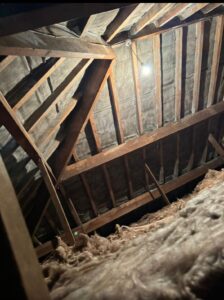
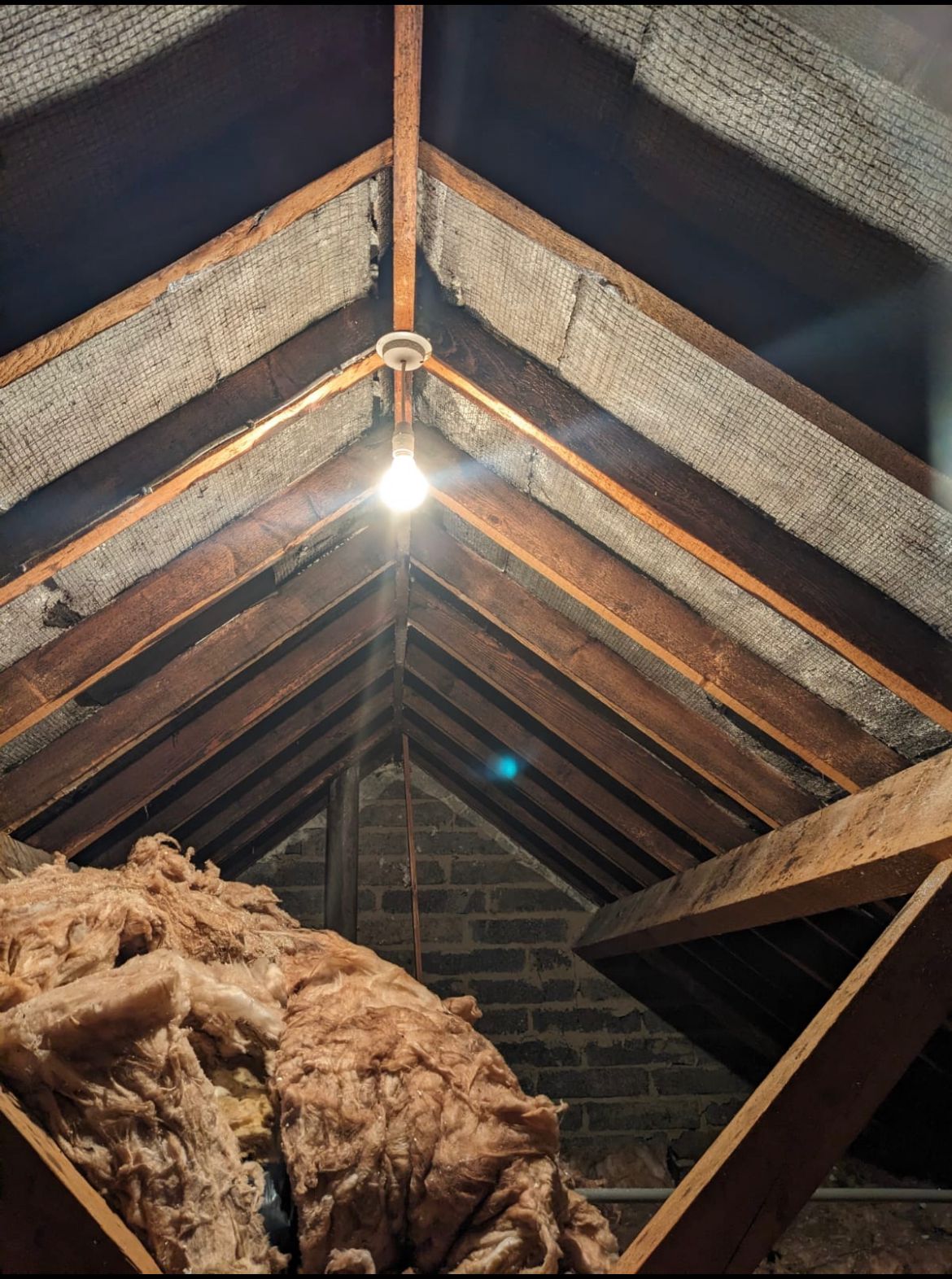
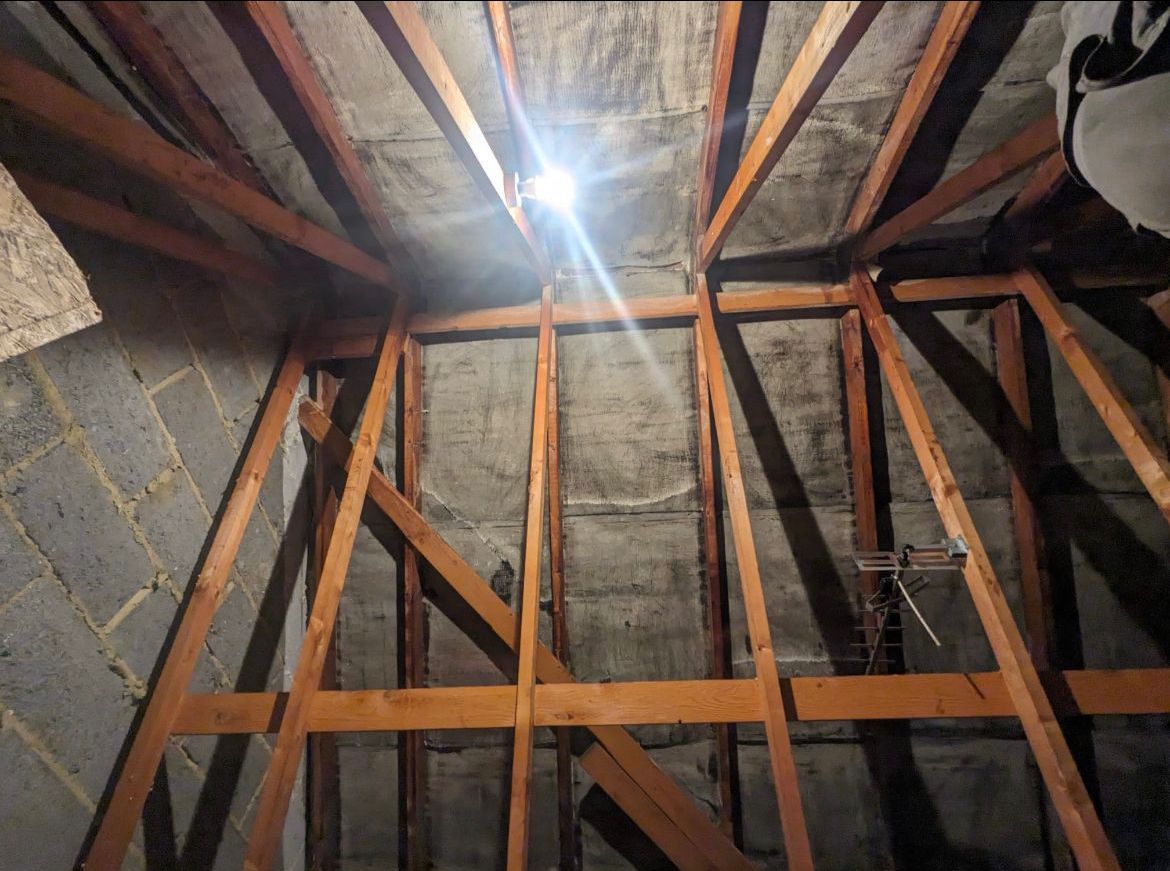
Traditional loft insulation sits on the loft floor, leaving the roof structure visible and accessible. This allows roofers to inspect rafters, battens, felt and fixings whenever maintenance or repairs are needed.

Spray foam works very differently.

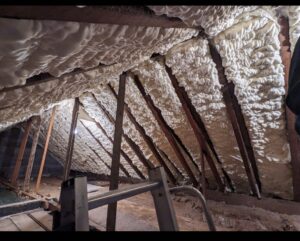
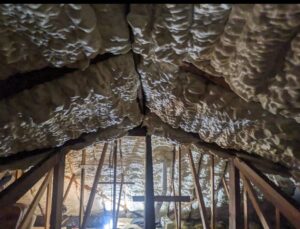
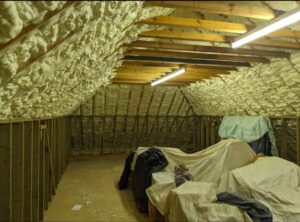
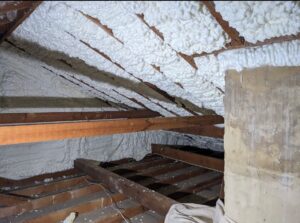
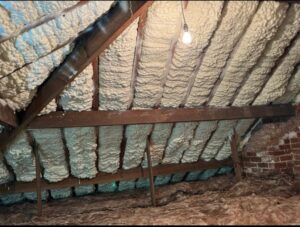
Once applied, it expands rapidly before hardening into a rigid material that adheres tightly to every surface it touches. Depending on the type of foam used, it may completely encapsulate the roof timbers and the underside of the roof covering.

Whilst this may appear beneficial from an insulation perspective, it creates significant obstacles whenever roofing work becomes necessary.

Instead of seeing the roof’s condition, contractors are faced with a continuous layer of hardened foam that conceals everything beneath it.
Roofers Need to Inspect the Entire Roof Structure

Before carrying out any repair, a professional roofer will usually perform a thorough inspection to establish the cause of the problem.

This assessment may include examining:

  • Roof timbers
  • Battens
  • Roofing felt or membrane
  • Fixings and nails
  • Signs of water ingress
  • Timber movement
  • Rot and fungal decay
  • Ventilation pathways

When spray foam covers these components, carrying out a meaningful inspection becomes extremely difficult.

Without seeing the underlying structure, roofers cannot always determine whether the visible damage is an isolated issue or part of a much larger problem.

Repairing only what can be seen may leave hidden defects untreated, leading to further damage later.

Hidden Damage May Go Undetected

One of the biggest concerns with spray foam insulation is that it can conceal problems developing beneath its surface.

Moisture entering through a damaged tile or flashing may become trapped behind the foam without obvious signs appearing inside the loft.

Over time this moisture can contribute to:

  • Timber decay
  • Damp conditions
  • Fungal growth
  • Corrosion of fixings
  • Structural weakening

Because the foam prevents direct inspection, these issues may continue unnoticed until significant deterioration has already occurred.

By the time visible symptoms appear inside the property, repairs may be considerably more extensive than they would have been if the roof structure had remained accessible.
Replacing Damaged Tiles Becomes More Difficult

Many roofing repairs involve replacing individual tiles or slates that have cracked, slipped or become damaged during bad weather.

Ordinarily, these repairs are relatively straightforward.

However, when spray foam has bonded the underside of the roof covering to the surrounding structure, removing even a single tile can become far more complicated.

Instead of lifting the damaged tile independently, roofers may find it firmly attached to neighbouring materials by the hardened foam.

Attempting to remove it can increase the risk of damaging surrounding tiles or affecting larger sections of the roof.

As a result, what might once have been a simple repair may require additional work before the damaged area can even be accessed.

Spray Foam Can Restrict Necessary Roofing Work

Roof repairs are rarely limited to replacing a broken tile.

Contractors may also need access to:

  • Roofing felt
  • Battens
  • Rafters
  • Lead flashings
  • Valleys
  • Chimney junctions
  • Roof windows

Spray foam can obstruct access to these important structural elements.

Without removing sections of the foam, roofers may be unable to carry out repairs to the standard expected by both the industry and the homeowner.

Rather than attempting partial repairs with limited visibility, many contractors recommend exposing the roof structure properly before beginning work.

Why Many Roofing Contractors Recommend Removing Spray Foam

Professional roofers have a responsibility to carry out repairs safely and to a high standard.

If they cannot properly inspect the roof or verify the condition of the supporting structure, they may be unwilling to guarantee their work.

Removing the spray foam allows them to:

  • Fully inspect the roof
  • Identify hidden defects
  • Assess timber condition
  • Replace damaged structural components
  • Complete repairs with confidence
  • Ensure nothing important has been overlooked

This approach provides homeowners with greater reassurance that repairs address the underlying problem rather than simply treating the visible symptoms.

Can Roof Repairs Be Completed Without Removing All the Foam?

In a small number of situations, limited repairs may be possible without complete removal.

For example, if damage is entirely external and does not require access to the concealed roof structure, a roofer may be able to complete certain maintenance tasks.

However, these situations are often the exception rather than the rule.

Every roof should be assessed individually, and contractors should never assume hidden structural elements remain in good condition simply because they cannot be seen.

Where uncertainty exists, removing the foam usually provides the safest and most reliable solution.
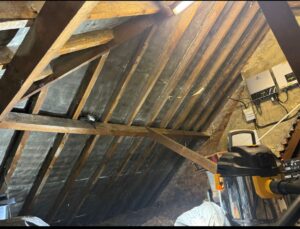
Spray Foam Can Affect Ventilation

A healthy roof depends upon effective airflow.

Ventilation helps control moisture levels within the roof space and reduces the likelihood of condensation developing around timber components.

When spray foam is applied directly to the underside of the roof covering, natural ventilation pathways may be reduced or blocked.

Although modern spray foam products differ in their characteristics, poor ventilation can contribute to increased moisture retention within certain roof constructions.

During repair work, roofers often need to assess whether ventilation remains adequate once repairs have been completed.

Without removing sections of spray foam, this assessment can be much more difficult.

Roof Repairs Should Address the Cause, Not Just the Symptoms

Fixing a leak involves far more than replacing a damaged tile.

Professional roofers aim to identify why water entered the property in the first place.

This may involve investigating:

  • Failed flashing
  • Deteriorated roofing felt
  • Rotten battens
  • Broken fixings
  • Damaged timbers
  • Movement within the roof structure

Spray foam can prevent these investigations from being completed thoroughly.

Without understanding the root cause of the problem, repairs may provide only a temporary solution.
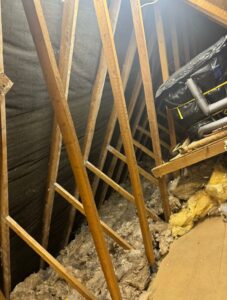
Mortgage Lenders and Surveyors May Raise Concerns

Many homeowners first become aware of spray foam issues when selling their property or applying for a mortgage.

Some lenders request further investigations where spray foam insulation is present because it limits inspection of the roof structure.

Surveyors may also recommend specialist assessments before confirming the condition of the roof.

If repairs become necessary during this process, removing the spray foam may allow both roofing contractors and surveyors to inspect the structure properly.

This additional transparency can make it easier to understand the true condition of the roof and determine the most appropriate course of action.

Removing Spray Foam Can Protect Your Investment

Although homeowners often focus on the immediate cost of removal, it is important to consider the wider benefits.

Removing spray foam can allow:

  • Comprehensive roof inspections
  • Accurate diagnosis of defects
  • Professional roofing repairs
  • Easier future maintenance
  • Improved property marketability
  • Greater confidence for buyers and surveyors

Rather than repeatedly encountering obstacles whenever maintenance is required, homeowners regain full access to the roof structure for years to come.
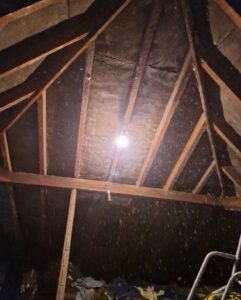
Professional Spray Foam Removal Matters

Removing spray foam insulation requires patience, experience and the correct techniques.

The objective is not simply to remove the foam, but to preserve the underlying roof structure wherever possible.

Poor removal methods may damage timber surfaces unnecessarily or leave significant residue that continues to obstruct inspections.

Professional removal specialists understand how different foam products behave and work carefully to expose the roof safely before any roofing repairs begin.

Once removal is complete, roofers can inspect every component properly and recommend any repairs based on the actual condition of the roof rather than assumptions.

Why Choose Foam Away?

Foam Away specialises in the professional removal of spray foam insulation from residential properties across the UK.

The team understands the challenges spray foam creates for homeowners, surveyors and roofing contractors alike. By carefully removing the insulation and exposing the underlying roof structure, Foam Away helps restore full access for inspections, maintenance and repairs.

Whether you are preparing your home for sale, dealing with a roofing issue or responding to concerns raised during a survey, professional spray foam removal can provide the clarity needed to move forward with confidence.
Conclusion

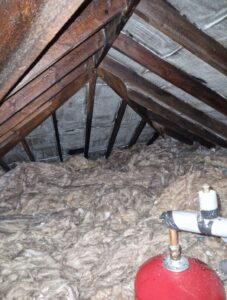
Roof repairs rely on clear access to the roof structure and a full understanding of its condition. When spray foam insulation covers the underside of the roof, it can prevent roofers from carrying out thorough inspections, identifying hidden defects and completing repairs with confidence. Whilst minor work may occasionally be possible without removing the foam, many roofing contractors recommend removal first to ensure any underlying issues are properly addressed.

If your property has spray foam insulation and your roof requires repairs, seeking specialist advice is the best place to start. Professional spray foam removal can expose the roof structure, allowing roofers to assess the condition accurately and complete repairs to the highest standard. At Foam Away, we help homeowners and landlords across the UK remove spray foam safely, making roof inspections, maintenance and repairs far more straightforward. Contact our team today to find out how we can help protect your property and restore confidence in your roof.
Can Spray Foam Insulation Cause Roof Timbers to Rot?

Does Spray Foam Insulation Cause Roof Timber Rot?

Spray foam insulation has become one of the most talked about home improvements in the United Kingdom over recent years. Whilst it was once promoted as an effective way to improve energy efficiency and reduce heating bills, many homeowners and landlords are now discovering that it can create unexpected complications when selling, remortgaging or maintaining their property.

One of the most common questions people ask is whether spray foam insulation causes roof timbers to rot.

The straightforward answer is no. Spray foam insulation does not directly cause timber to rot. However, under certain conditions it can trap moisture, conceal developing problems and make it much harder to identify damage before it becomes serious. Poor installation, inadequate roof ventilation and existing moisture issues are often the real causes of timber decay rather than the insulation itself.

Understanding why these problems occur is essential for anyone who owns a property with spray foam insulation or is considering buying one.

What Causes Roof Timbers to Rot?

Timber rot develops when wood remains damp for an extended period. Fungi naturally present in the environment begin to break down the timber once moisture levels remain consistently high.

Several factors can contribute to this process, including:

  • Persistent condensation within the loft.
  • Roof leaks that go unnoticed.
  • Inadequate roof ventilation.
  • Existing damp problems.
  • Water penetration through damaged roofing materials.

When roof timbers remain dry and properly ventilated, they can last for many decades. Problems usually arise when moisture becomes trapped and cannot escape.

This is why roof ventilation has always played such an important role in maintaining the health of a roof structure.

Can Spray Foam Insulation Increase the Risk?

Whilst spray foam insulation does not create moisture by itself, it can contribute to conditions where moisture remains trapped.

This is particularly true if the insulation has been applied directly onto the underside of roofing felt or roof tiles without allowing the roof structure to breathe correctly.

If condensation forms behind the insulation, it may remain hidden for months or even years before anyone becomes aware of the issue. During this time, roof timbers can slowly deteriorate without obvious warning signs.

This hidden nature is one of the main reasons surveyors and mortgage lenders have become increasingly cautious when assessing properties containing spray foam insulation.

Why Does Roof Ventilation Matter?

Every roof requires some degree of airflow.

Ventilation allows naturally occurring moisture to escape before it has the opportunity to accumulate.

Without sufficient airflow, warm air rising from the home can condense on colder roof surfaces, particularly during winter.

Over time this moisture can lead to:

  • Timber decay.
  • Mould growth.
  • Damp insulation.
  • Corrosion of metal fixings.
  • Reduced lifespan of roofing materials.

When spray foam insulation covers large areas of the roof structure, it may alter the way moisture behaves within the roof space. If the roof was not designed for this type of insulation, ventilation pathways can become restricted, increasing the potential for condensation problems.

Does It Matter Whether the Foam Is Open Cell or Closed Cell?

Yes. The type of spray foam installed can make a significant difference.

Open Cell Spray Foam

Open cell spray foam has a softer texture and is more porous.

It allows some movement of water vapour but is also capable of absorbing moisture under certain conditions. If ventilation is poor, moisture can remain within the insulation for prolonged periods, potentially affecting nearby roof timbers.

Closed Cell Spray Foam

Closed cell spray foam is much denser and forms a more rigid barrier.

It generally absorbs less moisture than open cell foam. However, because it adheres tightly to roof timbers and roofing felt, it can make inspections considerably more difficult. If moisture becomes trapped behind the insulation, it may remain undetected until significant damage has already occurred.

Neither type automatically causes timber rot.

Instead, the condition of the roof, the quality of installation and the effectiveness of ventilation all play much greater roles.

Why Are Mortgage Lenders Concerned?

One of the biggest challenges facing homeowners today is not necessarily timber rot itself but the uncertainty surrounding it.

Many mortgage lenders are reluctant to approve loans on properties containing spray foam insulation because surveyors cannot easily inspect the roof timbers hidden beneath the foam. Even when no damage exists, the inability to verify the condition of the roof may result in further investigations or requests for removal before lending can proceed.

For homeowners looking to sell or remortgage, this can lead to:

  • Delays in property transactions.
  • Reduced buyer confidence.
  • Additional survey costs.
  • Requests for specialist inspections.
  • Mortgage refusals in some cases.

It is important to understand that these concerns do not automatically mean a roof has failed. Rather, lenders prefer to reduce uncertainty wherever possible.

Why Do Surveyors Recommend Further Investigation?

Surveyors have a duty to assess the visible condition of a property.

When spray foam insulation covers the underside of a roof, they cannot easily inspect:

  • Roof timbers.
  • Roofing felt.
  • Rafters.
  • Nails and fixings.
  • Areas where moisture may have accumulated.

Rather than making assumptions, surveyors often recommend further investigation by specialists experienced in spray foam insulation.

This approach protects both buyers and lenders whilst ensuring that any hidden issues are identified before they become more expensive to repair.

Can Spray Foam Hide Existing Problems?

Yes, and this is often one of the greatest concerns.

If minor timber decay, historic leaks or early signs of condensation existed before the insulation was installed, these issues may remain concealed beneath the foam for years.

Because the insulation adheres directly to the roof structure, routine visual inspections become extremely difficult.

As a result, relatively minor maintenance issues can sometimes develop into more significant repairs before they are discovered.

This does not necessarily mean the spray foam caused the problem. Instead, it may simply have prevented anyone from spotting it early enough.

Should You Be Concerned About Your Roof Timbers?

If your property contains spray foam insulation, there is no need to assume your roof timbers are already damaged. Many roofs remain structurally sound for years after installation.

However, it is sensible to remain alert to any signs that could indicate moisture problems or timber deterioration. Early investigation can prevent relatively minor issues from becoming costly structural repairs.

Some common warning signs include:

  • A persistent damp or musty smell in the loft.
  • Visible mould or mildew.
  • Water staining on roof timbers.
  • Sagging or uneven sections of the roof.
  • Discoloured timber.
  • Condensation forming regularly within the roof space.
  • Difficulties obtaining a mortgage or concerns raised during a property survey.

If any of these issues are present, arranging a professional inspection is often the most effective way to determine whether further action is required.

Common Misconceptions About Spray Foam Insulation

There are several misconceptions surrounding spray foam insulation, particularly since mortgage lenders and surveyors have become more cautious.

Every Property With Spray Foam Has Rotten Roof Timbers

This is incorrect.

Many properties with spray foam insulation have perfectly healthy roof structures. Timber rot only develops when conditions allow moisture to remain within the timber over an extended period.

Each property should be assessed individually rather than assuming damage exists.

Spray Foam Always Causes Condensation

Not necessarily.

Condensation depends on several factors, including roof design, ventilation, humidity levels and installation quality.

Whilst poorly installed spray foam can contribute to condensation problems, the insulation itself does not automatically create moisture.

Spray Foam Always Needs Removing

This is another common misunderstanding.

Removal is not always necessary. Some installations continue to perform without causing structural issues.

However, removal may be recommended where:

  • Mortgage lenders require access to the roof structure.
  • Surveyors cannot inspect the timbers adequately.
  • Moisture problems have been identified.
  • Timber decay is suspected.
  • The insulation has been poorly installed.

A professional assessment can determine whether removal is appropriate for your particular property.

When Should Spray Foam Insulation Be Removed?

There is no universal answer because every roof is different.

Removal is often considered where there are concerns about hidden defects, ongoing condensation or difficulties obtaining mortgage approval.

Many homeowners also choose removal before placing their property on the market to avoid delays during the conveyancing process.

Professional removal restores access to the roof structure, allowing surveyors and roofing specialists to carry out thorough inspections and identify any underlying issues that may require attention.

Why Professional Assessment Matters

Attempting to judge the condition of a roof from inside the loft is rarely sufficient when spray foam insulation has been applied.

Experienced specialists understand how different foam products interact with roof structures and can identify warning signs that may otherwise remain hidden.

A professional assessment may include:

  • Inspection of accessible roof timbers.
  • Assessment of ventilation within the loft.
  • Identification of moisture related issues.
  • Recommendations based on the condition of the roof.
  • Advice on whether removal is necessary.

This evidence based approach provides homeowners and landlords with greater confidence when making decisions about their property.

Why Choose Foam Away?

Foam Away specialises in the professional removal of spray foam insulation from residential properties across the United Kingdom.

The company understands the challenges homeowners and landlords face when mortgage lenders, surveyors or prospective buyers raise concerns about spray foam insulation.

By using specialist removal techniques, Foam Away carefully removes spray foam whilst helping to preserve the underlying roof structure wherever possible. Once the insulation has been removed, roof timbers become fully accessible for inspection, allowing surveyors and roofing professionals to assess their condition accurately.

Whether you are preparing to sell your property, remortgage your home or simply want reassurance about the condition of your roof, Foam Away provides an experienced, professional service designed to help you move forward with confidence.

Conclusion

Spray foam insulation does not directly cause roof timbers to rot. In most cases, moisture, condensation and inadequate ventilation are the real causes of timber decay.

Nevertheless, spray foam insulation can make it significantly more difficult to identify developing problems because it conceals the roof structure from view. This is one of the primary reasons why surveyors and mortgage lenders often recommend further investigation.

If your property contains spray foam insulation and you have concerns about your roof, or if you are experiencing difficulties with a mortgage application or property sale, seeking professional advice is the most sensible course of action.

Foam Away provides specialist spray foam insulation removal services throughout the United Kingdom, helping homeowners and landlords regain access to their roof structures for thorough inspection and peace of mind. If you would like expert guidance tailored to your property, contact the Foam Away team today to arrange a professional assessment.

Can Spray Foam Removal Improve Your EPC Rating?

Does Spray Foam Removal Improve Your EPC Rating?

When homeowners begin thinking about improving their property’s Energy Performance Certificate, commonly known as an EPC, they often focus on upgrading windows, installing efficient heating systems or adding loft insulation. However, many properties fitted with spray foam insulation present a more complex situation. This raises an important question. Can spray foam removal improve your EPC rating?

The answer is not always straightforward. Removing spray foam insulation does not automatically increase an EPC rating. In fact, if the insulation was providing effective thermal performance, removing it without replacing it could reduce a property’s energy efficiency. However, there are circumstances where removing spray foam insulation allows more appropriate insulation to be installed, resolves moisture related issues and improves a property’s suitability for mortgage lenders and prospective buyers. In these situations, spray foam removal may contribute indirectly to a better EPC outcome.

What Is an EPC Rating?

An Energy Performance Certificate provides an assessment of how energy efficient a property is. Every home receives a rating ranging from A, representing exceptional efficiency, to G, representing poor energy performance.

The assessment considers numerous elements throughout the property, including insulation levels, heating systems, glazing, ventilation, lighting and renewable energy technologies. Together, these factors determine both the property’s current efficiency and recommendations for future improvements.

An improved EPC rating can offer several advantages. Properties with higher ratings often attract greater interest from buyers, may reduce energy bills and increasingly meet the expectations of mortgage providers and tenants.

Does Spray Foam Insulation Affect an EPC Rating?

Spray foam insulation itself is not automatically viewed negatively during an EPC assessment. If correctly installed in appropriate circumstances, it can reduce heat loss through the roof and contribute positively to thermal efficiency.

The difficulty arises because EPC ratings are only one part of the wider property assessment. Surveyors and mortgage valuers frequently need to inspect roof timbers to assess their condition. Spray foam insulation, particularly when applied directly to the underside of roof tiles and rafters, can prevent these inspections from taking place.

As a result, homeowners may discover that although the property appears well insulated, lenders remain reluctant to approve mortgages until the spray foam has been removed and the roof structure fully inspected.

For many sellers, resolving these issues becomes just as important as achieving a strong EPC rating.

Why Do Mortgage Lenders Worry About Spray Foam Insulation?

Over recent years, spray foam insulation has become increasingly associated with mortgage complications.

The concern is not necessarily that spray foam insulation always damages roofs. Rather, many lenders and surveyors remain cautious because spray foam can conceal underlying problems, restrict ventilation and make it difficult to identify defects such as timber decay, water ingress or deterioration of roof coverings.

Without a clear inspection of the roof structure, some lenders consider the risk too great to proceed with a mortgage application.

Consequently, homeowners preparing to sell often choose to remove spray foam insulation before marketing their property, particularly if surveyors have already identified it as a potential obstacle.

Can Removing Spray Foam Help Improve Your EPC?

In certain situations, yes.

Professional spray foam removal creates the opportunity to install more conventional forms of insulation that continue to provide excellent thermal performance while allowing the roof to breathe naturally and remain accessible for future inspections.

Materials such as mineral wool insulation often provide effective energy efficiency while maintaining adequate ventilation within the roof space. They also allow surveyors to examine the roof structure whenever required.

Where the existing spray foam has trapped moisture or contributed to condensation, addressing these problems may improve the long term condition of the property. A dry, well ventilated roof performs more effectively than one affected by hidden dampness or deteriorating timbers.

The improvement therefore comes from restoring the roof to a healthier condition and installing suitable insulation rather than simply removing spray foam.

The Importance of Roof Inspections After Removal

Once spray foam insulation has been removed, the roof should undergo a thorough inspection.

This allows roofing specialists to identify any damaged timbers, defective felt, slipped tiles or ventilation issues that were previously hidden beneath the insulation.

Any necessary repairs can then be completed before new insulation is installed.

This process gives homeowners confidence that the roof is structurally sound while providing reassurance for surveyors, mortgage lenders and future buyers.

A well maintained roof also contributes towards the property’s long term energy efficiency by preventing unwanted heat loss caused by defects or moisture damage.

Choosing the Right Replacement Insulation

Removing spray foam insulation should never leave a roof without suitable insulation.

Instead, homeowners should consider installing materials appropriate for the property’s construction and ventilation requirements.

Mineral wool insulation remains one of the most widely used options across the UK because it delivers excellent thermal performance, allows airflow within the roof space and is familiar to surveyors carrying out property inspections.

The most suitable insulation will always depend upon the design and age of the property. Seeking professional advice ensures the replacement insulation achieves the correct balance between energy efficiency, ventilation and long term durability.

Installing appropriate insulation after removal helps maintain or improve the property’s EPC while avoiding many of the concerns associated with spray foam insulation.

Other Ways to Improve Your EPC Rating

Although roof insulation plays an important role, it represents only one part of an Energy Performance Certificate.

Homeowners may also improve their EPC rating by:

  • Upgrading an older boiler to a more efficient heating system.
  • Installing smart heating controls.
  • Improving loft insulation where appropriate.
  • Replacing inefficient glazing.
  • Draught proofing doors and windows.
  • Switching to low energy lighting throughout the property.
  • Installing renewable technologies such as solar panels where suitable.

Taking a holistic approach often delivers greater improvements than focusing on a single aspect of the property.

Common Misconceptions About Spray Foam and EPC Ratings

Many homeowners assume removing spray foam insulation will automatically increase their EPC rating. Unfortunately, this is not the case.

Others believe spray foam insulation always improves energy efficiency. While it can reduce heat loss, poor installation or unsuitable applications may create separate issues relating to ventilation and roof inspections.

Another common misunderstanding is that mortgage lenders reject every property containing spray foam insulation. Policies vary between lenders, although many request further investigation before agreeing to lend.

Understanding these distinctions allows homeowners to make informed decisions based upon the specific condition of their own property rather than relying upon general assumptions.

Why Choose Foam Away?

Foam Away specialises in the safe and professional removal of spray foam insulation for homeowners across the UK.

Every property presents unique challenges, which is why the company takes a careful, methodical approach to each project. By removing spray foam without causing unnecessary damage to the roof structure, Foam Away helps homeowners prepare their properties for roof inspections, mortgage applications, property sales and future insulation upgrades.

Whether your objective is to satisfy a lender, improve your home’s long term condition or prepare for replacement insulation, Foam Away provides experienced guidance throughout the removal process.

Conclusion

Removing spray foam insulation does not automatically improve your EPC rating, but it can create the opportunity to enhance your property’s overall energy performance. By allowing thorough roof inspections, resolving hidden issues and replacing unsuitable insulation with more appropriate alternatives, homeowners can make informed improvements that support both energy efficiency and mortgageability.

If you are unsure whether spray foam insulation is affecting your EPC rating, property sale or mortgage application, speaking to a specialist is the best place to start. Contact Foam Away for professional advice and expert spray foam removal services anywhere in the UK. Their experienced team can assess your property, explain your options and help you move forward with confidence.

Can Spray Foam Removal Improve Roof Ventilation?

Structural Timbers

Many homeowners install spray foam insulation to improve energy efficiency and reduce heat loss. While the product can offer certain thermal benefits when correctly specified, it has also become the subject of increasing concern among surveyors, mortgage lenders and roofing professionals. One of the most significant issues relates to roof ventilation.

A healthy roof depends on a continuous flow of air through the roof space. Good ventilation allows moisture to escape, helps regulate temperature and protects the structural timbers from damp related damage. When spray foam insulation restricts this natural airflow, it can create an environment where condensation develops unnoticed, increasing the risk of mould growth and timber decay.

For many properties, professional spray foam removal can play an important role in restoring proper roof ventilation and allowing the roof to perform as originally intended. Understanding the relationship between insulation, airflow and moisture can help homeowners make informed decisions about the future of their property.

Why Roof Ventilation Matters

Roof ventilation is one of the most important yet overlooked aspects of a home’s construction. Every day, warm air generated from cooking, showering, washing and simply living inside a property rises into the loft. This air contains moisture that naturally seeks to escape.

A well ventilated roof allows this moisture laden air to leave the roof space before it condenses on colder surfaces. Without sufficient ventilation, water vapour settles on roof timbers, felt and other structural components.

Over time, this can lead to a variety of problems including:

  • Condensation forming beneath the roof covering
  • Persistent damp within the loft
  • Black mould growth
  • Rotting roof timbers
  • Reduced lifespan of roofing materials
  • Unpleasant odours
  • Increased maintenance costs

Proper roof ventilation helps maintain a dry environment that protects both the structure of the property and the health of those living inside it.

How Spray Foam Insulation Can Affect Roof Ventilation

Traditional loft insulation sits on the floor of the loft while leaving the roof structure free to breathe. Spray foam insulation, however, is commonly applied directly to the underside of roof tiles or slates and surrounding timbers.

Depending on the type of foam and how it has been installed, this can significantly reduce the natural movement of air throughout the roof space.

By filling gaps and adhering directly to roofing materials, spray foam may block the pathways through which moisture would normally escape.

Without adequate airflow, trapped moisture has nowhere to go. As humidity builds, condensation becomes increasingly likely, particularly during colder months when temperature differences between inside and outside are greatest.

This does not necessarily mean every spray foam installation will cause ventilation issues, but poorly designed or incorrectly installed systems can create conditions that increase the likelihood of moisture related problems.

The Link Between Poor Ventilation and Condensation

Condensation occurs when warm, moisture rich air comes into contact with a colder surface.

Within a roof space, this often happens beneath roof tiles or on exposed timber during the winter months.

If ventilation is restricted, the moisture remains trapped inside the loft rather than escaping naturally.

As condensation repeatedly forms, the roof structure remains damp for prolonged periods.

Persistent moisture can eventually lead to:

  • Timber decay
  • Mould growth
  • Corrosion of metal fixings
  • Damage to roofing felt
  • Reduced thermal performance
  • Musty smells within the loft

These issues often develop gradually and may remain hidden until a professional survey uncovers the damage.

Can Spray Foam Removal Improve Roof Ventilation?

In many cases, yes.

Removing spray foam insulation can restore the natural airflow that the roof was originally designed to have.

Once the foam has been carefully removed, ventilation openings can function properly again, allowing moisture to escape rather than becoming trapped inside the roof space.

Improved roof ventilation helps create a healthier environment by:

  • Reducing condensation
  • Allowing roof timbers to dry naturally
  • Improving airflow throughout the loft
  • Lowering the risk of mould and fungal growth
  • Helping preserve the structural integrity of the roof

Every property is different, so the extent of any improvement depends on factors such as the original roof design, the type of spray foam installed and the overall condition of the property.

A professional inspection can determine whether spray foam removal is likely to improve ventilation and whether any additional ventilation measures would also be beneficial.

Protecting Your Roof Structure

One of the greatest concerns surrounding spray foam insulation is its effect on the roof structure itself.

Because the foam bonds tightly to roof timbers and the underside of tiles or slates, it can conceal defects that would otherwise be visible during routine inspections.

Leaks, damaged tiles or decaying timber may remain hidden beneath the insulation for years.

When moisture becomes trapped behind the foam, timber can begin to deteriorate without obvious warning signs inside the home.

Professional spray foam removal allows roofing specialists to inspect the roof thoroughly and identify any maintenance that may be required before more serious structural damage develops.

This can provide valuable peace of mind while helping to extend the lifespan of the roof.

Why Professional Removal Is Essential

Spray foam removal requires specialist equipment, technical knowledge and considerable experience.

Attempting to remove spray foam without the correct techniques can damage roof timbers, roof tiles and supporting structures.

Professional removal specialists understand how different types of spray foam behave and use carefully developed methods to remove the material while protecting the roof wherever possible.

Experienced teams can also assess the condition of the roof once removal has been completed, identifying any repairs that may be necessary before new insulation is installed.

Choosing professional removal significantly reduces the risk of unnecessary damage and helps ensure the roof remains structurally sound.

Mortgage and Survey Concerns

In recent years, spray foam insulation has attracted increased scrutiny from mortgage lenders and surveyors.

Some lenders are reluctant to approve mortgages on properties containing spray foam insulation because it can make it difficult to inspect the condition of the roof.

Surveyors may also recommend further investigations before a sale proceeds.

For homeowners looking to sell, remortgage or release equity, this can create delays and uncertainty.

Professional spray foam removal often allows surveyors to inspect the roof properly and provides greater transparency regarding its condition.

Although removal does not automatically guarantee mortgage approval, it frequently removes one of the major concerns associated with spray foam insulation.

What Happens After Spray Foam Removal?

Once the spray foam has been removed, homeowners have an opportunity to improve the overall performance of their roof.

Many choose to install modern insulation products that maintain excellent thermal performance while allowing the roof to breathe as intended.

Foam Away can advise on suitable alternatives, including Rockwool Insulation and SuperFOIL Insulation, both of which can contribute to an energy efficient home without compromising ventilation.

If roofing repairs are required, Roofing Solutions can also ensure the roof remains weatherproof and structurally secure before replacement insulation is installed.

Where eligible, homeowners may also benefit from the Spray Foam Re Claim service, helping them explore available options following professional removal.

Signs Your Roof Ventilation May Be Poor

Many homeowners remain unaware of ventilation problems until visible damage begins to appear.

Some common warning signs include:

  • Condensation on roofing felt
  • Damp patches in the loft
  • A musty smell within the roof space
  • Mould growth on timbers
  • Water staining
  • Persistent high humidity in the loft
  • Evidence of timber decay

If your property has spray foam insulation and you notice any of these signs, arranging a professional inspection can help identify the underlying cause before more extensive repairs become necessary.

How Foam Away Can Help

Foam Away specialises in professional spray foam removal carried out with care and precision.

The team understands the importance of preserving the roof structure while removing insulation safely and thoroughly.

Following removal, they can assess the condition of the roof, advise on suitable replacement insulation and help homeowners restore a healthy, well ventilated roof space.

Whether you are preparing to sell your property, resolving mortgage concerns or simply protecting your home for the future, professional advice can help you make the right decision.

Across Dorset and the South Coast, Foam Away provides trusted support to homeowners looking to improve roof ventilation and safeguard the long term condition of their property.

Conclusion

Good roof ventilation is essential for maintaining a dry, healthy and durable home. When airflow becomes restricted, moisture can accumulate within the roof space, increasing the risk of condensation, mould and timber decay.

While not every property with spray foam insulation will experience ventilation problems, professional spray foam removal can often restore natural airflow and allow the roof to perform as it was originally designed.

By removing the insulation safely, inspecting the roof thoroughly and installing suitable breathable alternatives where appropriate, homeowners can protect both their property and its long term value.

If you have concerns about spray foam insulation or would like expert guidance on improving roof ventilation, Foam Away can provide professional advice and tailored solutions throughout Dorset and the South Coast.

Frequently Asked Questions

Does spray foam insulation stop a roof from breathing?

It can. Depending on how it has been installed, spray foam insulation may reduce natural airflow within the roof space, making it more difficult for moisture to escape.

Will removing spray foam improve roof ventilation?

In many cases, yes. Removing spray foam can restore airflow, reduce condensation and allow the roof space to ventilate more effectively.

Can poor roof ventilation cause timber rot?

Yes. When moisture remains trapped within the roof for extended periods, timber can become damp, creating conditions that encourage fungal decay and structural deterioration.

Does spray foam insulation affect getting a mortgage?

Some mortgage lenders have concerns about spray foam insulation because it can prevent thorough roof inspections. Professional removal may help address these concerns.

What insulation should replace spray foam?

Suitable alternatives depend on the property, but breathable products such as Rockwool Insulation and SuperFOIL Insulation are often recommended because they provide effective insulation while supporting healthy roof ventilation.

Trusted & verified on

Checkatrade
AXA
Bark
City & Guilds
Google Reviews
Trustpilot
Yell
Checkatrade
AXA
Bark
City & Guilds
Google Reviews
Trustpilot
Yell