0800 994 9026
enquiries@foam-away.com

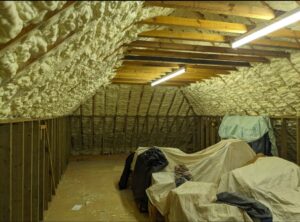
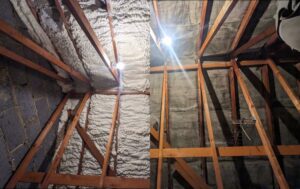
Which Insulation Option Is Best After Spray Foam Removal?

Introduction

Once spray foam has been removed from a loft or roof space, many homeowners are left with the same important question: what should replace it?

It is a sensible question, because the replacement insulation must do far more than simply keep the house warm. It must suit the roof structure, allow appropriate ventilation, reduce the risk of condensation, support energy efficiency and avoid creating future complications with surveys, lenders or buyers.

Spray foam removal often brings relief, particularly where mortgage issues, survey concerns or worries about trapped moisture have arisen. Yet the work is only truly complete when the loft is left clean, breathable and properly insulated with a material that suits the property.

This guide explains the leading insulation options after spray foam removal, including mineral wool, fibreglass, PIR boards, sheep’s wool, cellulose and multi foil insulation. It also considers cost, performance, ventilation, environmental impact and long term suitability.

Why The Right Replacement Insulation Matters

After spray foam insulation removal, the roof space may have been restored to a more traditional condition, but it should not be left under insulated. A poorly insulated loft can allow significant heat loss, raise energy bills and make the home less comfortable.

The Energy Saving Trust describes roof and loft insulation as one of the simplest ways to keep heat in and cold out, while official Building Regulations guidance sets expectations around energy performance and ventilation in homes. Homeowners should also be mindful that lenders and surveyors may take a close interest in roof condition where spray foam has previously been present.

The best insulation after spray foam removal should therefore achieve four things:

It improves thermal performance.

Allows the roof space to breathe.

suitable for the construction of the property.

It should be straightforward for future surveyors to inspect.

For many UK homes, that points towards a well

installed, breathable loft insulation system rather than another sealed or difficult to inspect product.
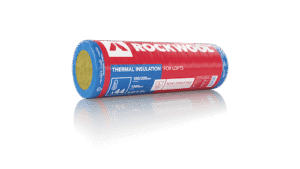
Rockwool Insulation

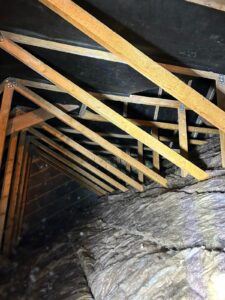
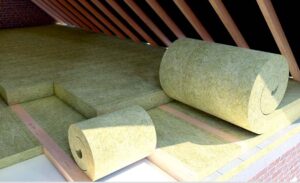
When considering the best insulation after spray foam removal, Rockwool consistently stands out as one of the strongest options for the majority of UK homes. Manufactured from natural volcanic rock, Rockwool is a premium stone wool insulation that combines impressive thermal performance with exceptional breathability, making it particularly well suited to traditional cold lofts.

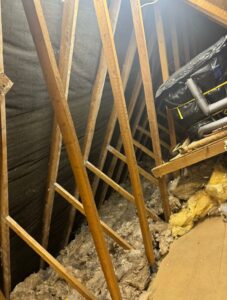
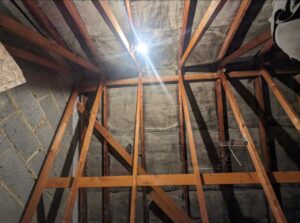
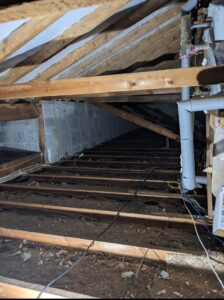
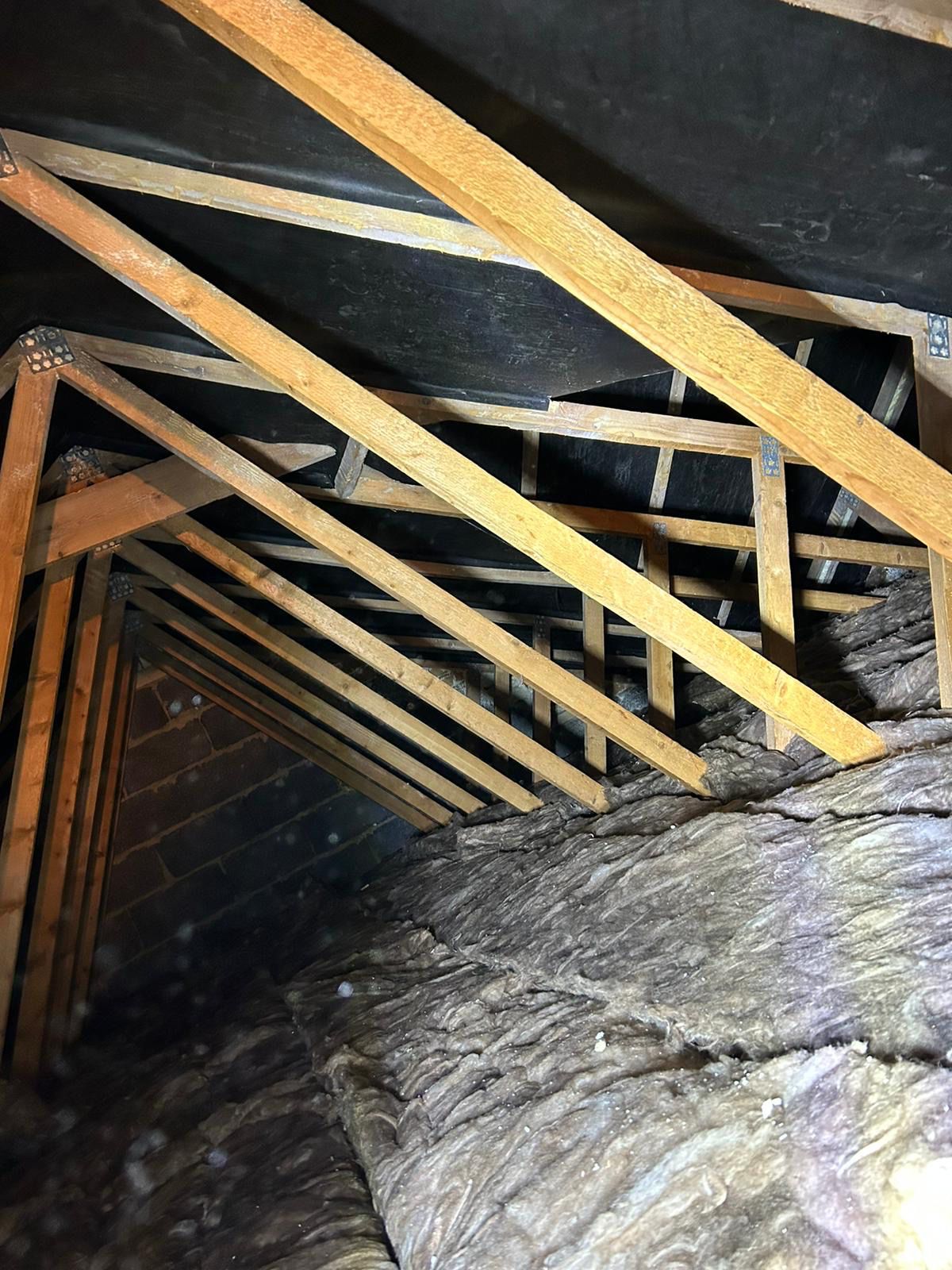
One of the principal advantages of Rockwool is that it allows the roof space to breathe naturally. Unlike spray foam, which adheres directly to roof timbers and can restrict inspection, Rockwool is laid between and above the ceiling joists. This leaves the roof structure visible, allowing surveyors and roofing specialists to inspect the timbers whenever required.

For homeowners who have removed spray foam because of mortgage concerns, this is especially reassuring. Mortgage lenders and surveyors are generally far more comfortable with conventional loft insulation that allows the roof structure to remain accessible.

Rockwool also offers excellent fire resistance. As it is manufactured from stone, it is naturally non combustible and can withstand extremely high temperatures without contributing to the spread of fire. This additional level of protection provides valuable peace of mind for homeowners.

Beyond thermal performance, Rockwool also delivers impr

essive acoustic insulation. It helps absorb airborne sound, reducing noise from heavy rain, aircraft and neighbouring properties while creating a quieter living environment throughout the home.

Moisture resistance is another important advantage. Rockwool

does not readily absorb water and retains its insulating properties even if exposed to occasional moisture. Combined with proper loft ventilation, this helps reduce the likelihood of condensation problems developing within the roof space.

From an environmental perspective, Rockwool also performs well. It is manufactured using abundant natural materials and is designed to provide decades of reliable performance with very little maintenance.

Advantages of Rockwool

  • Excellent thermal insulation
  • Highly breathable
  • Outstanding fire resistance
  • Excellent sound insulation
  • Moisture resistant
  • Long lasting and durable
  • Widely accepted by surveyors and mortgage lenders
  • Easy access for future roof inspections

Considerations

Rockwool should always be installed to the appropriate depth and should never obstruct ventilation at the eaves. When fitted correctly, it provides an effective balance of warmth, ventilation and long term roof health.

Best For

For most traditional UK homes with a cold loft, Rockwool is one of the finest replacement insulation options after spray foam removal. It delivers excellent energy efficiency while allowing the roof structure to remain visible and properly ventilated, making it an outstanding long term solution.
SuperFOIL Insulation

SuperFOIL has become an increasingly popular insulation system within the UK, particularly where space is limited or where homeowners are looking for a modern, high performance solution.

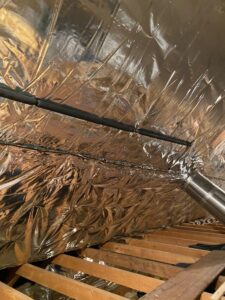
Unlike traditional loft roll insulation, SuperFOIL is a reflective multifoil insulation made from multiple layers of reflective foil, insulating wadding and protective membranes. These layers work together to reduce radiant heat loss while also helping to improve

the overall thermal performance of the building.

One of the key attractions of SuperFOIL is its slim profile. Because it occupies considerably less space than many conventional insulation materials, it is particularly useful in loft conversions, vaulted ceilings and roof structures where available depth is restricted.

SuperFOIL is available in several different products, each designed for specific applications. Some are intended for roofs, while others are suitable for walls, floors or timber frame construction. Selecting the correct product is therefore essential.

When installed in accordance with the manufacturer’s guidance, including the required air gaps, SuperFOIL can provide excellent thermal performance while also acting as a vapour control layer where appropriate.

However, it is important to recognise that SuperFOIL is not always a direct replacement for traditional loft insulation within a standard cold loft. In many properties it performs best as part of a carefully designed insulation system

rather than as the sole insulation material.

For homeowners who have recently removed spray foam insulation, professional advice is invaluable when deciding whether SuperFOIL is appropriate. Factors such as roof design, ventilation strategy and intended use of the loft space all influence whether it is the right solution.

Advantages of SuperFOIL

  • Excellent thermal performance when correctly installed
  • Lightweight and easy to handle
  • Can improve airtightness
  • Suitable for loft conversions and warm roof systems
  • Available in products designed for different applications

Considerations

Correct installation is essentia

l. SuperFOIL relies upon carefully maintained air gaps to achieve its full performance, and it should always be installed in accordance with the manufacturer’s recommendations. In many traditional cold lofts, it works best alongside more conventional insulation rather than replacing it entirely.

Best For

SuperFOIL is an excellent option for loft conversions, modern roof constructions and projects where space is limited. When specified correctly, it can form part of a highly effective insulation system, although it is not necessarily the first choice for every traditional loft after spray foam removal.
Which Insulation Option Is Best Overall?

For most UK homeowners, mineral wool is the best insulation option after spray foam removal.

It is breathable, cost effective, familiar to surveyors, easy to inspect around and well suited to traditional cold lofts. It allows the roof space to remain ventilated while insulating the living area below.

Ventilation After Spray Foam Removal

Ventilation is one of the most important considerations after spray foam removal. A healthy roof space needs air movement to help manage moisture. If replacement insulation blocks eaves vents or restricts air flow, condensation problems may follow.

Approved Document F provides guidance on ventilation requirements, while Approved Document L covers conservation of fuel and power. These documents are part of the wider Building Regulations framework in England.

In practical terms, homeowners should ensure that:

Eaves ventilation remains clear.

Insulation is not pushed tightly into the roof edges.

Water tanks and pipework are dealt with correctly.

The loft hatch is insulated and draught sealed.

The roof structure remains visible for inspection.

A good insulation job should make the home warmer without making the roof space unhealthy.

Energy Efficiency And Comfort

Good loft insulation reduces heat loss through the roof and helps maintain a more stable indoor temperature. The Energy Saving Trust continues to identify loft and roof insulation as an important way to reduce home heat loss and improve efficiency.

After spray foam removal, homeowners often want reassurance that they will not lose the warmth they hoped the spray foam would provide. The good news is that a properly insulated loft can perform very well without sealing the underside of the roof.

In many homes, a correctly installed layer of mineral wool at ceiling level is enough to make a significant difference to comfort and energy use.

Why Trust Foam Away?

Foam Away understands that spray foam removal is not merely a cosmetic job. For many homeowners, it is connected to mortgage applications, survey reports, property sales, condensation concerns and the long term health of the roof.

A professional approach matters. Removing spray foam requires patience, care and an understanding of how roof structures behave. Once the foam has been removed, the next stage is equally important: leaving the property ready for a suitable, breathable and practical insulation solution.

Homeowners can trust Foam Away because the company focuses on clear advice, careful workmanship and sensible recommendations. Rather than pushing a one size fits all answer, Foam Away helps customers understand the condition of their loft, the options available and the most appropriate next step for their home.

Conclusion

Choosing the right insulation after spray foam removal is just as important as the removal process itself. The ideal solution should not only improve the thermal efficiency of your home but also allow your roof to breathe, remain accessible for future inspections and support the long term health of the property.

For many homeowners, Rockwool offers the most balanced combination of insulation performance, breathability, fire resistance and practicality, making it an excellent choice for traditional cold lofts. Where roof construction, available space or specific performance requirements differ, alternatives such as PIR boards, SuperFOIL, sheep’s wool or cellulose insulation may prove more suitable. The key is selecting a solution that complements your property’s design rather than adopting a one size fits all approach.

If you are unsure which insulation is best for your home following spray foam removal, seeking professional advice is always worthwhile. Every roof is different, and factors such as ventilation, structural condition and future mortgage considerations should all form part of the decision making process.

At Foam Away, we believe that successful spray foam removal is only the beginning. Our experienced team can help you understand the most appropriate insulation options for your property, ensuring your loft remains warm, well ventilated and ready for the future. If you are considering spray foam removal or would like expert guidance on replacing your insulation, contact Foam Away today for honest advice and a no obligation quotation.

FAQ Section

What should I do immediately after spray foam removal?

Have the loft inspected, check whether any remedial work is required and make sure the roof space is clean, dry and ventilated before installing replacement insulation.

Can spray foam be replaced with normal loft insulation?

Yes. In many homes, spray foam can be replaced with conventional loft insulation such as rockwool insulation, provided the roof space is suitable and ventilation is maintained.

How thick should loft insulation be?

The required depth depends on the material and property. Many standard lofts use substantial depths of mineral wool to meet modern expectations, but a professional installer should confirm the correct specification.
Is Rockwool Insulation a Good Choice for Older Properties?

Older Homes Present Unique Insulation Challenges

Many older properties possess a charm and character that modern homes simply cannot replicate. High ceilings, original timber features, solid brick walls and traditional construction methods all contribute to their appeal. However, these same characteristics can also make older homes more difficult to heat efficiently.

Homeowners throughout Bournemouth and Dorset frequently find themselves facing rising energy bills, cold rooms during winter and persistent draughts. In many cases, the underlying issue is inadequate or ageing insulation.

Choosing the right insulation material is especially important in period properties. Modern solutions that work perfectly in new builds may not always be suitable for older structures. Moisture movement, ventilation and breathability must all be carefully considered.

This raises an important question: is Rockwool insulation a good choice for older properties?

For many homeowners, the answer is yes.

What Is Rockwool Insulation?

Rockwool is a type of mineral wool insulation manufactured from natural volcanic rock and recycled materials. The raw materials are heated to extremely high temperatures before being spun into dense fibres that are formed into slabs, rolls and insulation boards.

The resulting product offers several desirable characteristics that make it popular across both residential and commercial construction projects.

Rockwool is commonly used in:

  • Loft spaces
  • Roof structures
  • Internal walls
  • Floor systems
  • Partition walls
  • External wall insulation systems

Unlike some insulation materials, Rockwool combines thermal performance with excellent acoustic and fire resistant properties.

Why Older Properties Need Special Consideration

Traditional buildings behave very differently from modern homes.

Many Victorian and Edwardian properties were constructed using solid walls rather than cavity walls. These structures naturally allow moisture to move through the building fabric. This process helps maintain a healthy internal environment and protects timber and masonry components from long term deterioration.

Problems can occur when inappropriate insulation materials trap moisture within walls, roof spaces or floors.

This is why breathability is such an important factor when selecting insulation for older homes.

A suitable insulation system should:

  • Improve thermal performance
  • Allow appropriate moisture movement
  • Reduce the risk of condensation
  • Preserve the integrity of original materials
  • Support adequate ventilation

Rockwool performs well in many of these areas, making it a strong candidate for traditional properties.

The Benefits of Rockwool Insulation for Older Properties

Excellent Thermal Performance

One of the primary reasons homeowners choose Rockwool insulation is its ability to reduce heat loss.

Heat escaping through the roof accounts for a significant proportion of energy waste in many older homes. Properly installed Rockwool insulation can help create a more stable indoor temperature throughout the year.

This means:

  • Reduced heating costs
  • Improved comfort
  • Fewer cold spots
  • Better energy efficiency

For homeowners across Bournemouth and Dorset looking to reduce energy consumption, this can make a noticeable difference.

Outstanding Fire Resistance

Safety is a major consideration in any property.

Because Rockwool is manufactured from stone, it is naturally non combustible. It can withstand extremely high temperatures without contributing to the spread of fire.

This makes it one of the safest insulation materials available.

For older properties containing original timber structures, enhanced fire protection can provide valuable peace of mind.

Effective Sound Insulation

Many period homes feature timber floors and lightweight internal partitions that allow sound to travel easily between rooms.

Rockwool’s dense fibre structure absorbs sound exceptionally well.

Benefits include:

  • Reduced noise transfer between floors
  • Improved privacy
  • Greater comfort within busy households
  • Reduced external noise intrusion

This can be particularly beneficial in urban areas of Bournemouth, Poole and Christchurch where external noise levels may be higher.

Moisture Management and Breathability

One of Rockwool’s most significant advantages for older buildings is its ability to help manage moisture.

Traditional homes require building materials that work with the natural movement of moisture rather than blocking it completely.

Rockwool does not readily absorb water in the same way as some insulation materials. At the same time, its structure allows water vapour to pass through more freely.

When incorporated into a properly designed insulation system, this can help reduce condensation related issues whilst maintaining a healthier indoor environment.

Long Lasting Performance

Many insulation products can degrade over time.

Rockwool is known for its durability and dimensional stability. It does not slump significantly and maintains its insulating performance for many years when installed correctly.

This longevity makes it an attractive investment for homeowners seeking lasting improvements rather than short term fixes.

Environmental Credentials

Sustainability is becoming increasingly important for homeowners.

Rockwool contains recycled content and is manufactured from abundant natural materials. Its long lifespan further contributes to its environmental credentials.

By reducing heat loss and lowering energy consumption, Rockwool can also help decrease a property’s overall carbon footprint.

Potential Drawbacks of Rockwool Insulation

Whilst Rockwool offers many advantages, no insulation material is perfect for every situation.

One consideration is installation. Rockwool is denser and heavier than some alternatives, which can make installation more labour intensive. Professional fitting is often advisable, particularly in older properties where ventilation and moisture management require careful planning.

Cost can also be a factor. Rockwool may have a higher initial purchase price than some basic insulation products. However, many homeowners consider the additional investment worthwhile due to its durability, fire resistance and acoustic performance.

It is also important to remember that insulation should always form part of a wider strategy. Simply adding insulation without addressing ventilation, damp issues or existing defects may not achieve the desired results.

Is Rockwool Suitable for Victorian, Edwardian and Listed Buildings?

In many cases, yes.

Victorian and Edwardian homes were designed to function differently from modern buildings. Solid walls, lime mortars and natural ventilation pathways all contribute to how these properties manage moisture.

Rockwool’s breathable characteristics often make it more compatible with traditional construction than some less permeable alternatives.

That said, every property is different.

Listed buildings and homes located within conservation areas may be subject to specific requirements. Before undertaking insulation works, homeowners should seek professional advice to ensure any improvements remain sympathetic to the building’s character and comply with local regulations.

A professional insulation assessment can help identify the most appropriate solution for the property whilst avoiding unintended consequences.

Signs Your Older Property Could Benefit from Improved Insulation

Many homeowners assume their property is performing efficiently when, in reality, significant heat loss is occurring.

Common warning signs include:

  • High heating bills
  • Persistent cold rooms
  • Draughts around loft spaces
  • Uneven temperatures between rooms
  • Condensation on windows
  • Damp or mould growth
  • Difficulty maintaining a comfortable temperature

If you recognise several of these symptoms, an insulation assessment may identify opportunities to improve comfort and reduce energy costs.

When Existing Spray Foam Insulation May Need Removal

One issue that has become increasingly common in recent years is the presence of spray foam insulation within roof spaces.

Whilst spray foam insulation was often marketed as an effective solution, many homeowners have since encountered unexpected complications.

Mortgage lenders and surveyors are now raising concerns about certain spray foam installations. In some cases, spray foam can restrict access to roof timbers, making inspections difficult. Concerns have also been raised regarding ventilation and the long term condition of roofing structures.

As a result, homeowners looking to sell or remortgage their property may be advised to remove existing spray foam insulation.

This is where specialist expertise becomes essential.

My FoamAway helps homeowners throughout Bournemouth and Dorset safely remove spray foam insulation and restore roof spaces to a condition that lenders, surveyors and prospective buyers are more comfortable with.

Following removal, suitable insulation solutions such as Rockwool can often be considered as part of a wider improvement strategy.

Why Homeowners Across Bournemouth and Dorset Choose My FoamAway

Insulation decisions should never be based on guesswork.

Every property is different, particularly older homes where traditional construction methods demand a thoughtful and informed approach.

Homeowners across Dorset choose My FoamAway because of the company’s commitment to providing honest advice and practical solutions.

Clients benefit from:

  • Specialist knowledge of spray foam insulation removal
  • Professional property assessments
  • Tailored recommendations
  • Experience working with older properties
  • A customer focused approach
  • Local expertise throughout Bournemouth and the surrounding area

Rather than promoting a one size fits all solution, My FoamAway helps homeowners understand the options available and select the most appropriate route forward.

Why Trust My FoamAway?

Making changes to your home’s insulation is a significant investment. Choosing a company with genuine expertise matters.

My FoamAway has developed a strong reputation for helping homeowners resolve insulation challenges, particularly those involving problematic spray foam installations.

The team understands the unique requirements of older properties and recognises that preserving a building’s character is just as important as improving energy efficiency.

By combining practical experience with a commitment to honest advice, My FoamAway helps homeowners make informed decisions that support the long term health and value of their properties.

Conclusion

So, is Rockwool insulation a good choice for older properties?

For many homeowners, the answer is undoubtedly yes.

Rockwool offers an impressive combination of thermal performance, fire resistance, sound reduction and moisture management. These qualities make it particularly well suited to many Victorian, Edwardian and traditional homes where breathability and durability are essential considerations.

However, every property has its own requirements. Before undertaking any insulation project, it is important to assess the building as a whole and ensure any improvements are compatible with its construction and condition.

If you own an older property in Bournemouth, Poole, Christchurch, Wimborne, Ferndown or elsewhere in Dorset and would like expert guidance on insulation options or spray foam removal, contact My FoamAway today. Our experienced team can assess your property, answer your questions and help you find the most appropriate solution for your home.

How Long Does Spray Foam Removal Take?

How Long Does Spray Foam Removal Take?

For many homeowners, the question of how long spray foam removal takes only becomes urgent when a surveyor, estate agent, buyer or mortgage lender raises concerns. Until that point, spray foam insulation may have seemed like a practical home improvement. Once it begins to affect a sale, remortgage or roof inspection, however, the timescale becomes far more important.

In most domestic properties, professional spray foam removal typically takes between two and five days once work begins, although larger or more complex roofs can take longer. The exact duration depends on the type of foam, the size of the roof, access to the loft, the condition of the timbers and whether any repairs are required after removal.

Spray foam removal usually takes between two and five working days for a typical UK home. Smaller lofts with accessible open-cell foam may be completed more quickly, while larger roofs, closed-cell foam, poor access or timber concerns can extend the process. A proper survey is essential before an accurate timescale can be given.

Why Spray Foam Removal Times Vary

There is no single timescale that applies to every property because spray foam does not behave like traditional loft insulation. Mineral wool rolls can usually be lifted and replaced with relative ease. Spray foam, by contrast, bonds directly to roof timbers, felt, tiles and other surfaces. Removing it is therefore a careful manual process rather than a simple clearance job.

The most significant factor is the type of foam that has been installed. Open-cell spray foam is generally softer and less dense, making it easier to cut away from the roof structure. Closed-cell spray foam is more rigid and adhesive, and it can take considerably longer to remove without damaging the surrounding materials. In some properties, the foam may have been applied thickly or unevenly, which adds further time to the process.

Access also matters. A spacious loft with safe boarding, clear movement routes and good lighting will allow technicians to work more efficiently. A cramped roof space with awkward angles, stored belongings, restricted entry points or fragile surfaces requires slower, more controlled work. In older homes, where roof timbers may already be delicate, removal must be approached with particular care.

The condition of the roof beneath the foam can also influence the overall timeline. One of the reasons spray foam causes concern for surveyors and mortgage lenders is that it can obscure the roof timbers, making inspection difficult. Once the foam is removed, the roof structure may need to be checked for damp, rot, condensation damage or poor ventilation. If repairs are required, the project may extend beyond the removal itself.

A Typical Spray Foam Removal Timeline

The process usually begins with an inspection rather than immediate removal. A reputable spray foam removal company will want to understand the type of foam, the extent of the installation, the roof structure, access conditions and any mortgage or survey requirements. This survey stage is important because it prevents unrealistic promises and gives the homeowner a clearer understanding of what the work will involve.

Once the property has been assessed, a quotation can be prepared. This should explain the scope of the work, the expected timescale, any limitations and what documentation will be provided afterwards. For homeowners dealing with a sale or remortgage, this stage can be particularly valuable because it helps them understand what evidence may be available once the foam has been removed.

The removal itself is usually carried out by hand using specialist tools and protective equipment. The aim is to separate the foam from the roof structure as cleanly as possible while preserving the underlying materials. This is slow, physical and skilled work. Rushing the process can lead to unnecessary damage, which is why professional removal is very different from simply hacking the foam away.

After the foam has been removed, the loft space is cleared of waste and the exposed timbers can be inspected. Depending on the circumstances, there may be a need for ventilation improvements, minor roof repairs or further assessment. The final stage is usually the clean-up and documentation, which may include photographic evidence or a completion report.

For a straightforward domestic roof, the practical removal stage may take a few days. The wider process, from survey to completion, can naturally take longer once booking, preparation and any follow-up works are included.

Why Homeowners Choose to Remove Spray Foam

Spray foam removal is often prompted by a practical problem rather than a change of preference. Many homeowners only discover the issue when selling their home, applying for a remortgage or arranging an equity release product. A buyer’s survey may flag the presence of spray foam, or a lender may request additional evidence before agreeing to proceed.

The concern is not always that spray foam has definitely caused damage. In many cases, the difficulty is that it can prevent proper inspection. Surveyors need to see the roof timbers to assess their condition. If foam has covered rafters, battens, felt or the underside of tiles, it becomes harder to confirm whether moisture, decay or structural movement is present.

This uncertainty is what often causes mortgage difficulties. Some lenders may decline properties with spray foam insulation, while others may consider them only on a case-by-case basis with supporting documentation. The Property Care Association has warned that although not all installations are problematic, homeowners should be cautious of pressure selling and should seek proper advice before committing to removal. RICS has also produced consumer guidance after concerns around poor workmanship, inappropriate installations and lender caution in parts of the market.

For homeowners trying to sell, the issue can become urgent. A buyer may withdraw, a lender may refuse funding, or a surveyor may recommend further investigation. In these circumstances, professional spray foam insulation removal can help restore visibility to the roof structure and provide a clearer basis for future inspection.

Spray Foam Removal vs Leaving It in Place

Whether spray foam should be removed depends on the property, the installation and the homeowner’s circumstances. If the foam is not affecting a sale, mortgage or roof condition, a homeowner may first want to gather documentation, seek a professional survey and understand the actual risk. Removal should not be presented as the only answer in every case.

However, leaving spray foam in place can create difficulties where the roof cannot be properly inspected. This is particularly relevant when the homeowner wants to sell, remortgage or satisfy a surveyor’s concerns. Even if the foam was installed with good intentions, the lack of visibility can become a practical obstacle.

Professional removal gives surveyors and roof specialists access to the structure again. It can also help homeowners deal with lender queries more confidently, especially where the removal company provides clear evidence of the work completed. The decision should be based on proper assessment rather than panic, but for many homeowners, removal becomes the most straightforward route to resolving uncertainty.

What Happens During Professional Spray Foam Removal?

A professional removal project should be controlled, methodical and well documented. The loft is prepared first, with access routes protected and working conditions made as safe as possible. Any stored items may need to be removed beforehand, particularly if they restrict access to the roof slopes.

The foam is then cut, scraped and separated from the surfaces to which it has bonded. This is where experience matters. Different foams respond differently, and the installer’s original application can make the job easier or more difficult. Foam applied thinly and evenly is usually less troublesome than foam sprayed heavily around rafters, joints, felt laps and awkward corners.

Waste material must be gathered and disposed of appropriately. Once the foam is removed, the roof space can be inspected more clearly. The exposed timbers may reveal no significant issues, or they may show areas that require further attention. A responsible company should explain these findings clearly rather than exaggerating them.

The best removal work is not simply about taking foam away. It is about leaving the homeowner with a roof space that can be properly inspected, maintained and understood.

How Much Does Spray Foam Removal Cost?

Spray foam removal cost varies because every roof is different. A small, accessible loft with relatively soft foam will usually cost less than a large or awkward roof containing dense closed-cell foam. The thickness of the insulation, the extent of coverage, waste disposal requirements, roof condition and location can all influence the quotation.

It is sensible to be cautious of prices given without inspection. A credible spray foam survey allows the company to assess the work properly and provide a more realistic figure. Very low quotes can sometimes indicate that the job has been underestimated, while vague pricing may leave the homeowner exposed to unexpected additions later.

For homeowners dealing with mortgage issues, the cheapest quotation is not always the best value. The quality of the removal, the care taken around the roof structure and the standard of documentation may all matter if the property needs to be reassessed by a surveyor or lender.

Why Choose Foam Away?

Foam Away specialises in professional spray foam removal for homeowners across the UK. The company understands that most customers are not simply looking for a contractor; they are trying to resolve a stressful property issue involving surveys, lenders, buyers or roof concerns.

A careful approach is essential. Foam Away assesses the property, explains the likely timescale, provides transparent quotations and carries out the removal with attention to the condition of the roof structure. This is particularly important where the homeowner needs clear evidence that the foam has been removed and the roof space has been made available for inspection.

With nationwide coverage across England, Scotland and Wales, Foam Away can assist homeowners in a wide range of locations, including those searching for spray foam removal in Bournemouth, Bristol, Southampton, Exeter, Dorset and surrounding areas. The focus is on practical advice, safe removal and a professional service that helps homeowners move forward with confidence.

Why Trust Foam Away?

Spray foam removal requires more than general building experience. It calls for an understanding of how spray foam bonds to roof structures, why surveyors raise concerns and what homeowners need when dealing with mortgage or sale-related pressure.

Foam Away’s work is centred on careful assessment, clear communication and controlled removal. Rather than making sweeping claims, the company looks at the specific property and advises on the likely process. This matters because no two spray foam installations are identical, and responsible advice should always reflect the condition of the individual roof.

For homeowners, trust also comes from transparency. A professional company should explain what can be done, what cannot be guaranteed, and what may need further inspection once the foam is removed. That balanced approach is far more useful than high-pressure selling or exaggerated warnings.

Frequently Asked Questions

How long does spray foam removal take?

Most domestic spray foam removal projects take between two and five working days once the work begins. Larger roofs, dense closed-cell foam, poor access or hidden roof issues can extend the timescale.

Is spray foam removal messy?

The process can create debris because the foam has to be cut and separated from the roof structure. A professional company will manage the work carefully, protect access areas where needed and clear the waste as part of the job.

Can I stay in my home during spray foam removal?

In many cases, homeowners can remain in the property while work is carried out in the loft. However, this depends on access, disruption, working conditions and the scale of the project. The removal company should advise before work begins.

Does removing spray foam help with mortgage issues?

Removal can help by allowing the roof structure to be inspected properly again. It does not automatically guarantee mortgage approval, as lenders make their own decisions, but it may remove one of the common obstacles raised during surveys and valuations.

Will my roof need repairs afterwards?

Not always. Some roofs are found to be in reasonable condition once the foam is removed. Others may need repairs, ventilation improvements or further inspection. This cannot be confirmed until the foam has been taken away and the structure is visible.

How much does spray foam removal cost?

The cost depends on the size of the roof, the type of foam, access, thickness, waste disposal and whether any additional roof work is required. A survey is the most reliable way to obtain an accurate quotation.

Conclusion

So, how long does spray foam removal take? For most UK homes, the answer is usually a few working days, but the wider process depends on the property, the type of foam and what is discovered once the roof structure is exposed.

The most important step is to arrange a proper survey before making decisions. Spray foam removal should be handled carefully, particularly where mortgage concerns, property sales or roof condition issues are involved. Foam Away provides specialist spray foam removal services across the UK, helping homeowners understand their options and restore access to their roof structure with confidence.

If spray foam insulation is affecting your sale, remortgage or survey, contact Foam Away to arrange a professional survey and quotation.

Can Spray Foam Insulation Damage Roof Timbers?

Roof Timbers

For many homeowners across Dorset and the South Coast, spray foam insulation was once promoted as an innovative way to improve energy efficiency and reduce heating costs. In recent years, however, concerns surrounding spray foam roof insulation have become increasingly common, particularly among surveyors, mortgage lenders, and prospective property buyers.

One question appears more frequently than almost any other:

Can spray foam insulation damage roof timbers?

The answer is more nuanced than many headlines would suggest. Spray foam insulation does not inherently damage timber. However, under certain circumstances, it can contribute to conditions that increase the risk of moisture retention, condensation, hidden defects, and timber decay. These concerns have led many mortgage providers to take a cautious approach when assessing properties containing spray foam insulation.

For homeowners, understanding the relationship between spray foam insulation and roof timbers is essential. Whether you are planning to sell your property, apply for a mortgage, or simply wish to protect the long term condition of your roof, knowing the facts can help you make informed decisions.

What Is Spray Foam Insulation?

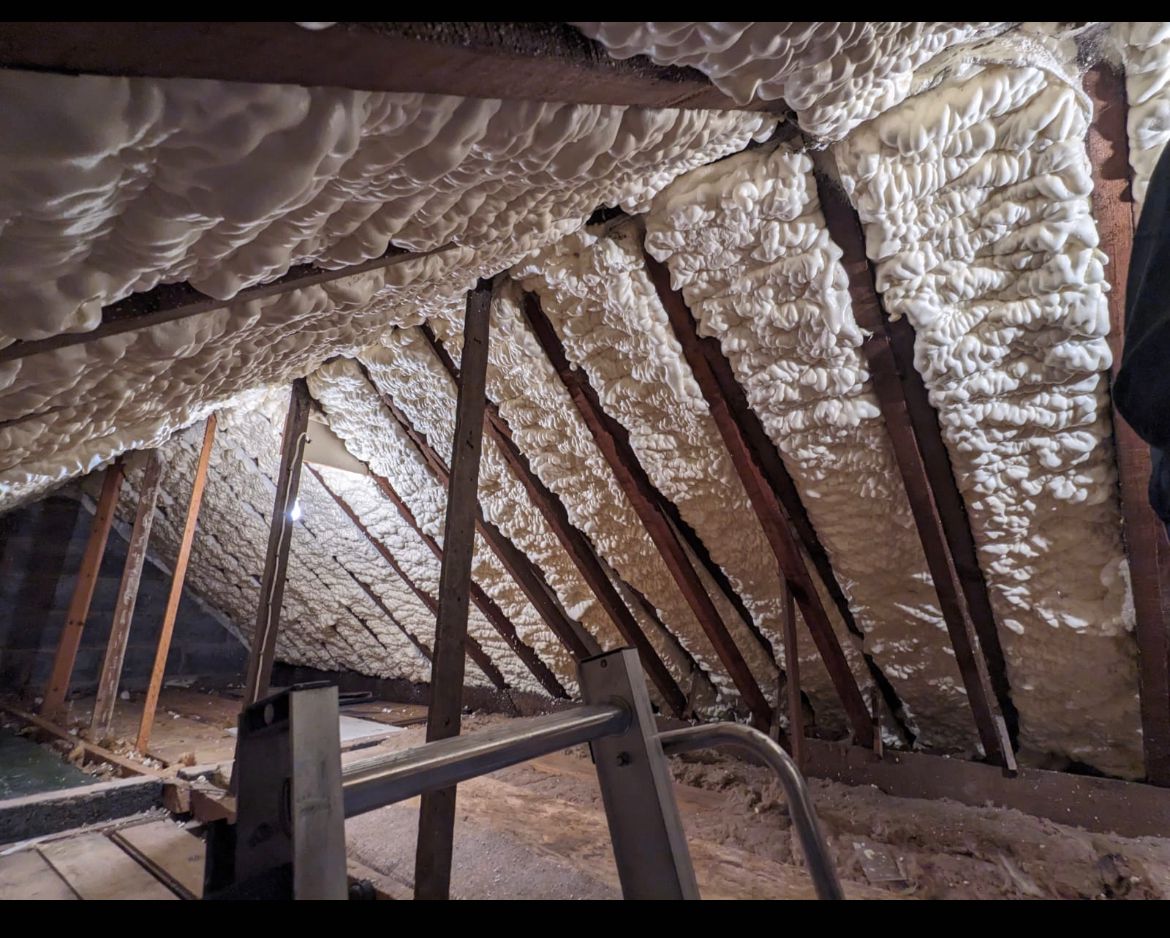
Spray foam insulation is a material applied directly to roof structures, loft spaces, and wall cavities to improve thermal performance. Once sprayed, the foam expands rapidly before hardening into an insulating layer.

There are two principal forms of spray foam insulation.

Open Cell Spray Foam

Open cell foam remains relatively soft and flexible after installation. It allows a degree of moisture vapour movement and is often marketed as a breathable insulation solution.

Closed Cell Spray Foam

Closed cell foam is denser and more rigid. It creates a highly effective thermal barrier and offers greater structural reinforcement. However, its dense nature can significantly restrict airflow and moisture movement within a roof structure.

Both products can improve energy efficiency when installed correctly. Problems typically arise when ventilation is inadequate, existing defects are overlooked, or moisture becomes trapped within the roof assembly.

Can Spray Foam Insulation Damage Roof Timbers?

In isolation, spray foam insulation does not attack or degrade timber.

The concern lies in its ability to alter the natural behaviour of a roof.

Traditional roof structures rely upon airflow to regulate moisture levels. When spray foam is applied directly to roofing felt, tiles, slates, and timber rafters, it can reduce ventilation pathways and make routine inspections more difficult.

If moisture enters the roof structure through condensation, minor leaks, or existing defects, it may remain hidden for extended periods. Over time, elevated moisture levels can create favourable conditions for fungal growth, timber decay, and structural deterioration.

This is why many surveyors focus not on the foam itself, but on the environment it can create around roof timbers.

How Spray Foam Can Contribute to Roof Timber Problems

Trapped Moisture

Moisture is the primary threat to any timber roof structure.

When water vapour becomes trapped within a poorly ventilated loft space, moisture levels can gradually rise. Spray foam applied directly against roof coverings may limit the roof’s ability to dry naturally.

Persistent damp conditions can eventually lead to:

  • Timber softening
  • Fungal growth
  • Surface mould
  • Structural weakening

Reduced Ventilation

Ventilation plays a vital role in maintaining a healthy roof space.

Many older homes throughout Dorset and the South Coast were designed with natural airflow in mind. Introducing spray foam insulation without carefully considering ventilation can upset this balance.

Reduced airflow may contribute to:

  • Increased humidity
  • Condensation formation
  • Damp roof timbers
  • Poor indoor air quality

Condensation Build Up

Condensation develops when warm, moisture laden air meets cooler surfaces.

In roof spaces where airflow is restricted, condensation can accumulate on timbers and surrounding materials. Although this moisture may appear insignificant at first, repeated exposure can gradually affect the condition of roof components.

Hidden Roof Leaks

One of the greatest concerns among surveyors is the possibility of concealed defects.

When spray foam covers roof structures, small leaks may remain undetected for months or even years. Water can travel through timber elements without producing obvious visible signs within the property.

By the time damage becomes apparent, repairs may be significantly more extensive.

Concealed Timber Decay

Routine roof inspections become considerably more challenging when rafters and roofing materials are covered by spray foam.

Without clear visibility, surveyors may struggle to assess:

  • Timber condition
  • Historical water ingress
  • Insect activity
  • Structural movement

This uncertainty is one reason many mortgage lenders approach spray foam insulated properties with caution.

Signs Your Roof Timbers May Be Affected

Homeowners should remain vigilant for signs that moisture may be affecting their roof structure.

Common indicators include:

  • A persistent musty smell in the loft
  • Visible mould growth
  • Dark staining on timber surfaces
  • Damp insulation materials
  • Condensation on roof elements
  • Soft or weakened timber
  • Sagging roof sections
  • Elevated moisture readings during inspections

If any of these signs are present, a professional assessment should be arranged as soon as possible.

Why Mortgage Lenders Are Concerned About Spray Foam Insulation

Mortgage lenders are primarily concerned with risk.

Where spray foam insulation is present, lenders may face uncertainty regarding the true condition of the roof structure beneath the foam.

Surveyors are often unable to inspect key structural elements fully, making it difficult to assess potential liabilities.

As a result, some lenders may:

  • Request specialist inspections
  • Reduce property valuations
  • Impose lending conditions
  • Decline mortgage applications entirely

These spray foam mortgage problems have become increasingly common throughout the UK property market.

For homeowners intending to sell their property, this issue can significantly impact both buyer confidence and transaction times.

Does Every Property with Spray Foam Need Removal?

Not necessarily.

There are situations where spray foam insulation remains stable and no immediate concerns are identified.

However, removal may be recommended when:

  • Mortgage applications are being declined
  • Surveyors cannot inspect roof timbers adequately
  • Moisture issues are present
  • Roof repairs are required
  • Timber condition is uncertain

A professional inspection remains the most reliable way to determine the appropriate course of action.

Key Takeaways

  • Spray foam insulation does not directly damage roof timbers.
  • Moisture retention presents the greatest long term risk.
  • Poor ventilation can increase condensation problems.
  • Hidden roof defects may remain undetected beneath spray foam.
  • Mortgage lenders often view spray foam insulation cautiously.
  • Professional inspections provide clarity regarding roof condition.
  • Removal may be necessary where lending or structural concerns exist.

Conclusion

Spray foam insulation remains one of the most debated topics within the UK housing sector. While the material itself does not directly damage roof timbers, its presence can create conditions that make moisture problems, hidden defects, and timber decay more difficult to identify and address.

For homeowners across Dorset and the South Coast, obtaining expert guidance is essential. Whether you are experiencing mortgage difficulties, preparing to sell your property, or simply seeking reassurance about the condition of your roof, a professional inspection can provide the answers you need.

At FoamAway, we specialise in the safe removal of spray foam insulation, detailed roof assessments, and practical solutions that help homeowners protect both their property and its future value. Our experienced team works throughout Dorset and the South Coast, delivering trusted advice and professional workmanship every step of the way.

Contact FoamAway today to arrange a comprehensive roof inspection and discover the most appropriate solution for your property.

FAQs About Spray Foam Insulation and Roof Timbers

Can spray foam insulation cause timber rot?

Spray foam insulation does not directly cause timber rot. However, if moisture becomes trapped behind or around the foam, the roof timbers may remain damp for long periods. Over time, this can create the right conditions for fungal decay and rot, particularly where ventilation is poor or roof leaks are hidden.

Does spray foam insulation trap moisture?

Spray foam insulation can trap moisture if it has been poorly installed, applied to a damp roof structure, or used in a loft with inadequate ventilation. Moisture may also become trapped if there are existing roof defects, such as damaged tiles, torn felt, or small leaks that are concealed by the foam.

Why do mortgage lenders dislike spray foam insulation?

Many mortgage lenders are cautious about spray foam insulation because it can make roof timbers difficult to inspect. Surveyors may be unable to see the true condition of rafters, felt, battens, and other roof components. This uncertainty can affect property valuations, mortgage approvals, and buyer confidence.

Can spray foam hide roof defects?

Yes. Spray foam can conceal roof defects such as leaking tiles, damaged underlay, damp timbers, insect activity, or early signs of decay. Because the foam adheres directly to the roof structure, it can prevent surveyors and homeowners from properly assessing the condition of the materials beneath it.

Trusted & verified on

Checkatrade
AXA
Bark
City & Guilds
Google Reviews
Trustpilot
Yell
Checkatrade
AXA
Bark
City & Guilds
Google Reviews
Trustpilot
Yell