0800 994 9026
enquiries@foam-away.com

Can Spray Foam Insulation Cause Damp and Condensation Issues?

UK Property Market

Spray foam insulation has become one of the most controversial topics in the UK property market. Once promoted as an efficient way to improve energy performance and reduce heat loss, it is now increasingly linked to mortgage complications, roof damage, condensation issues, and expensive remedial work.

For many homeowners across Dorset, the problem often begins quietly. A loft that once felt dry and ventilated suddenly develops signs of trapped moisture. Roof timbers begin to darken. A musty smell appears. Condensation gathers where it never used to. Then comes the survey report warning of potential concerns surrounding spray foam insulation.

The question many homeowners ask is simple. Can spray foam insulation actually cause damp and condensation issues?

The answer is yes, it can. However, the reasons are often more complex than people realise.
How Spray Foam Insulation Affects Roof Ventilation

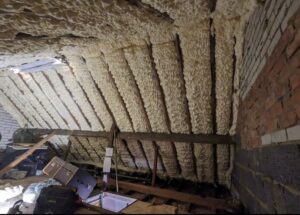
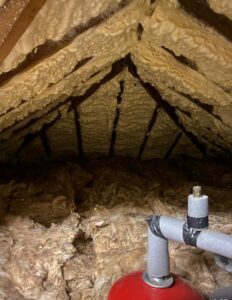
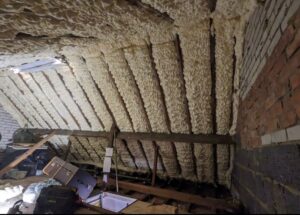
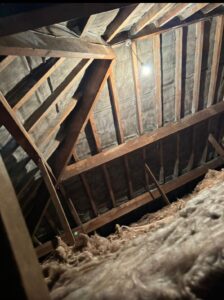
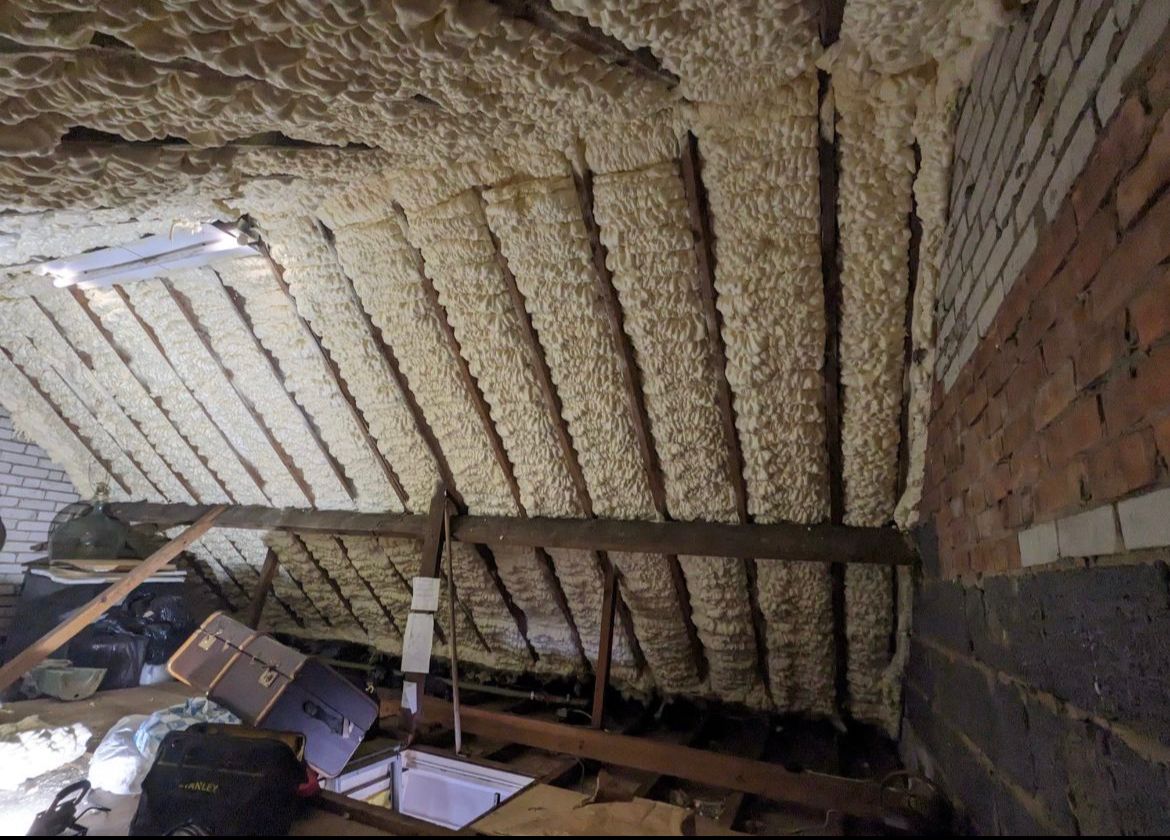
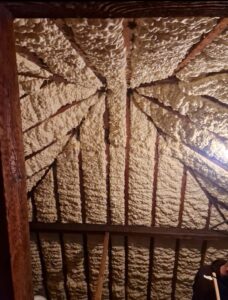
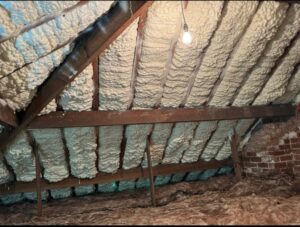
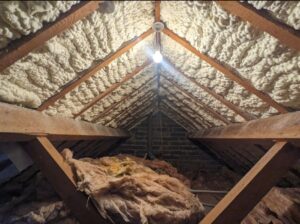
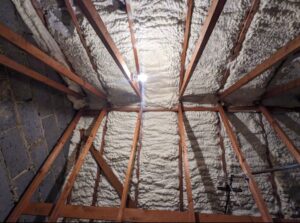
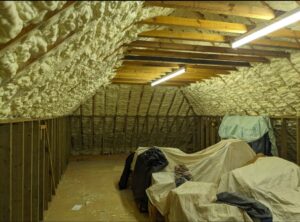
Traditional loft spaces are designed to breathe. Air moves naturally through the roof structure, helping moisture escape before it can build up and create problems. When spray foam insulation is applied directly to the underside of roof tiles or felt, that airflow can become restricted.

Without proper ventilation, moisture generated inside the home has nowhere to escape. Everyday activities such as cooking, showering, drying clothes indoors, and even breathing release water vapour into the air. Over time, that moisture rises into the loft space.

If the roof can no longer ventilate correctly, condensation issues can begin to develop.

This trapped moisture may eventually lead to:

  • Damp roof timbers
  • Condensation in loft spaces
  • Mould growth
  • Timber decay
  • Reduced roof lifespan
  • Persistent musty odours

The severity of the issue often depends on the type of spray foam used and the quality of the installation.

Open Cell vs Closed Cell Spray Foam

Not all spray foam insulation behaves in the same way.

Open cell spray foam is softer and more breathable. It allows some moisture movement through the material, which can reduce the likelihood of trapped condensation. However, it can still create ventilation concerns if incorrectly installed.

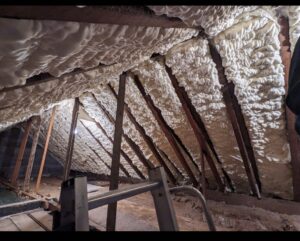
Closed cell spray foam is far denser and more rigid. It forms a much tighter seal and is significantly less breathable. While this can improve thermal efficiency, it also increases the risk of moisture becoming trapped within the roof structure.

Many surveyors and roofing specialists consider closed cell foam particularly problematic because it can conceal timber deterioration and make roof inspections extremely difficult.

In some cases, the foam adheres so aggressively to tiles and timber that future repairs become highly complicated and costly.
Why Condensation Issues Often Go Unnoticed

One of the most concerning aspects of spray foam insulation is that problems can remain hidden for years.

Unlike traditional loft insulation, spray foam creates a sealed layer against the roof structure. Moisture can build silently behind the foam without immediately visible signs.

By the time symptoms appear, significant damage may already exist.

Homeowners should look out for warning signs such as:

  • A damp or stale smell in the loft
  • Black mould patches
  • Water staining on timbers
  • Excessive loft condensation during colder months
  • Crumbling roof felt
  • Darkened or softened wood
  • Increased humidity indoors

Some homeowners only discover the issue when attempting to sell or remortgage their property.

Why Mortgage Lenders Are Concerned About Spray Foam

In recent years, mortgage lenders across the UK have become increasingly cautious about properties containing spray foam insulation.

Major concerns include:

  • Inability to inspect roof timbers properly
  • Risk of hidden damp and timber decay
  • Reduced ventilation within the roof space
  • Uncertainty surrounding long term structural impact
  • Expensive removal costs

Surveyors frequently flag spray foam insulation during property inspections, particularly when it has been applied directly to roof felt or tiles.

In Dorset and across the wider UK, many homeowners have experienced mortgage refusals or delays because lenders consider spray foam insulation a potential risk.

Some lenders may still approve mortgages where spray foam exists, but conditions are often stricter and additional specialist surveys may be required.

This has created growing concern among homeowners who installed spray foam years ago without being informed of possible future complications.
Can Poor Installation Make Damp Problems Worse?

Absolutely.

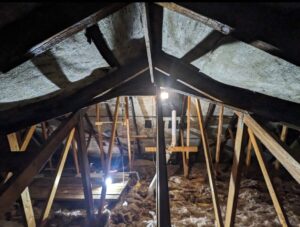
Even breathable insulation products can create serious condensation issues if installed incorrectly.

Some common installation problems include:

  • Blocking natural airflow pathways
  • Applying foam to damp roof structures
  • Failing to assess existing ventilation
  • Using inappropriate foam types for older properties
  • Over insulating loft areas without moisture management

Older homes in Dorset can be especially vulnerable because many traditional roof structures were never designed to function as sealed environments.

Properties that once relied on natural ventilation can suddenly experience dramatic changes in moisture behaviour after spray foam installation.

Unfortunately, many homeowners were sold spray foam as a universal solution without being fully informed about the importance of proper ventilation design.

The Link Between Spray Foam and Roof Timber Decay

Condensation itself is not always the greatest danger. The real concern is prolonged moisture exposure.

When roof timbers remain damp for extended periods, fungal decay and rot can develop. Over time, structural timber may weaken significantly.

This is one reason surveyors are particularly cautious around spray foam insulation.

The foam can prevent proper inspection of rafters and roof coverings, making it difficult to identify underlying deterioration until major problems emerge.

In severe cases, homeowners may face:

  • Partial roof replacement
  • Timber repairs
  • Extensive spray foam removal
  • Mould remediation
  • Ventilation upgrades

These costs can quickly become substantial.
Does Spray Foam Always Cause Damp?

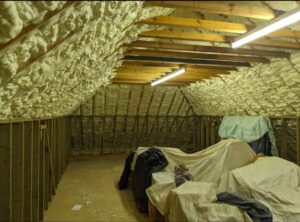
No. Not every spray foam installation will lead to condensation or damp problems.

Some installations perform without issue for years, particularly when:

  • Ventilation has been carefully designed
  • The correct foam type has been used
  • Moisture levels were assessed beforehand
  • Installation standards were high
  • The property is suitable for sealed insulation systems

However, the difficulty lies in predicting which installations may become problematic over time.

Because so many variables affect moisture movement within a building, even seemingly successful installations can later develop issues under changing environmental conditions.

This uncertainty is precisely why lenders and surveyors remain cautious.

What Should Homeowners Do If They Suspect Problems?

If you suspect spray foam insulation may be causing condensation issues, early action is essential.

Ignoring moisture problems rarely leads to improvement. In fact, trapped condensation often worsens gradually over time.

Homeowners should consider arranging a professional inspection if they notice:

  • Persistent loft dampness
  • Mould growth
  • Unusual odours
  • Timber staining
  • Mortgage survey concerns
  • Signs of poor ventilation

A specialist assessment can determine whether ventilation improvements, partial removal, or full spray foam insulation removal may be necessary.
Can Removing Spray Foam Solve Condensation Issues?

In many cases, yes.

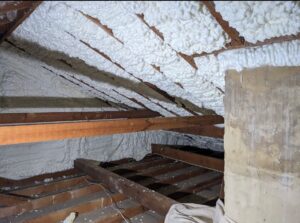
Professional spray foam removal can help restore natural airflow within the roof structure, allowing trapped moisture to escape more effectively.

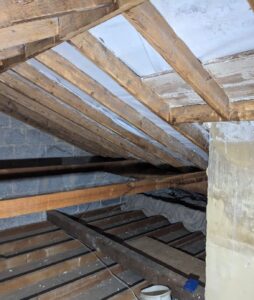
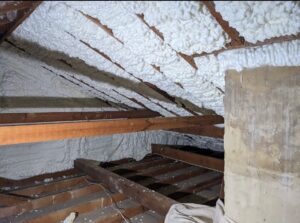
Removal may also allow roof timbers to dry naturally and enable proper structural inspections to take place.

However, removal should always be carried out carefully and professionally.

Improper removal techniques can damage roof felt, tiles, and timber structures. This is particularly true with closed cell spray foam, which bonds aggressively to surfaces.

Following removal, many properties benefit from:

  • Improved roof ventilation
  • Breathable insulation systems
  • Timber treatment where necessary
  • Condensation management improvements

The goal is not simply to remove the foam but to restore the roof to a healthy and breathable condition.

A Common Scenario Facing Dorset Homeowners

A growing number of Dorset homeowners are encountering the same frustrating situation.

A property owner installs spray foam insulation to improve energy efficiency. Years later, they attempt to sell or remortgage the property. During the survey, concerns are raised regarding roof ventilation and potential hidden damp.

The lender requests specialist reports. Buyers become hesitant. Mortgage approval slows or fails entirely.

Further inspection reveals elevated moisture levels or signs of condensation around roof timbers.

At this stage, homeowners often realise the original installation created far more complications than expected.

This scenario has become increasingly common across the UK property market.
Protecting Your Home From Long Term Moisture Problems

The most important step any homeowner can take is understanding how moisture behaves within a property.

A healthy roof space must balance:

  • Insulation
  • Ventilation
  • Moisture control

When one of these elements is disrupted, condensation issues can begin to emerge.

If spray foam insulation is already present, regular inspections become extremely important. Monitoring loft conditions and identifying early warning signs may help prevent more severe damage later.

For homeowners considering installation, seeking genuinely independent advice is essential before proceeding.

Final Thoughts

Spray foam insulation can cause damp and condensation issues, particularly where ventilation has been compromised or installation standards were poor.

While not every installation results in problems, the growing concerns from surveyors, mortgage lenders, and roofing specialists cannot be ignored.

For many homeowners, the biggest issue is not simply the insulation itself but the hidden moisture risks it can create over time.

Understanding the warning signs early and seeking professional guidance can help protect your property, your roof structure, and your future mortgage options.

If you are concerned about spray foam insulation, condensation issues, or mortgage survey complications, FoamAway can provide professional advice, inspections, and specialist removal solutions throughout Dorset and the surrounding areas.
Frequently Asked Questions

Can spray foam insulation cause condensation?

Yes. Spray foam insulation can restrict airflow within roof spaces, allowing moisture to become trapped and increasing the risk of condensation issues.

Why do mortgage lenders dislike spray foam insulation?

Many lenders are concerned about hidden damp, timber decay, and the difficulty of inspecting roof structures beneath spray foam insulation.

Can spray foam insulation rot roof timbers?

If moisture becomes trapped for prolonged periods, damp roof timbers and fungal decay can develop over time.

Does removing spray foam solve damp problems?

Professional spray foam removal can often improve ventilation and reduce trapped moisture, particularly when combined with suitable roof ventilation improvements.

What are the signs of trapped moisture in a loft?

Common warning signs include mould growth, musty smells, water staining, condensation, and darkened roof timbers.
Spray Foam Removal vs Spray Foam Re Claim: What’s the Difference?

Energy Efficient Solution

For many homeowners across the South Coast and the Midlands, spray foam insulation has become an unexpected obstacle. What was once marketed as a modern and energy efficient solution is now raising serious concerns during property surveys, remortgage applications, and house sales. Mortgage lenders are becoming increasingly cautious, surveyors are flagging spray foam loft insulation more frequently, and thousands of property owners are now searching for practical solutions.

Among the most common points of confusion is the difference between spray foam removal and spray foam re claim. While the two terms are often used interchangeably online, they refer to very different approaches. Understanding that distinction can help homeowners make informed decisions about their property, their roof structure, and their future mortgage options.

At Foam Away, homeowners across Bournemouth, Southampton, Portsmouth, Brighton, Birmingham, Leicester, Nottingham, and surrounding areas regularly ask the same question. Should the spray foam be completely removed, or can it be professionally re claimed and managed another way?

The answer depends on the condition of the roof, the type of spray foam installed, and the concerns raised during inspection.

What Is Spray Foam Insulation?

Spray foam insulation is applied directly to the underside of roof tiles or between rafters. Once sprayed, it expands rapidly and hardens into an insulating layer designed to improve energy efficiency and reduce heat loss.

There are two main forms of spray foam insulation used in UK properties.

Open Cell Spray Foam

Open cell foam is softer and more breathable. It allows a degree of moisture movement and is generally lighter in structure. Although some lenders view it more favourably than closed cell alternatives, it can still create issues during surveys and valuations.

Closed Cell Spray Foam

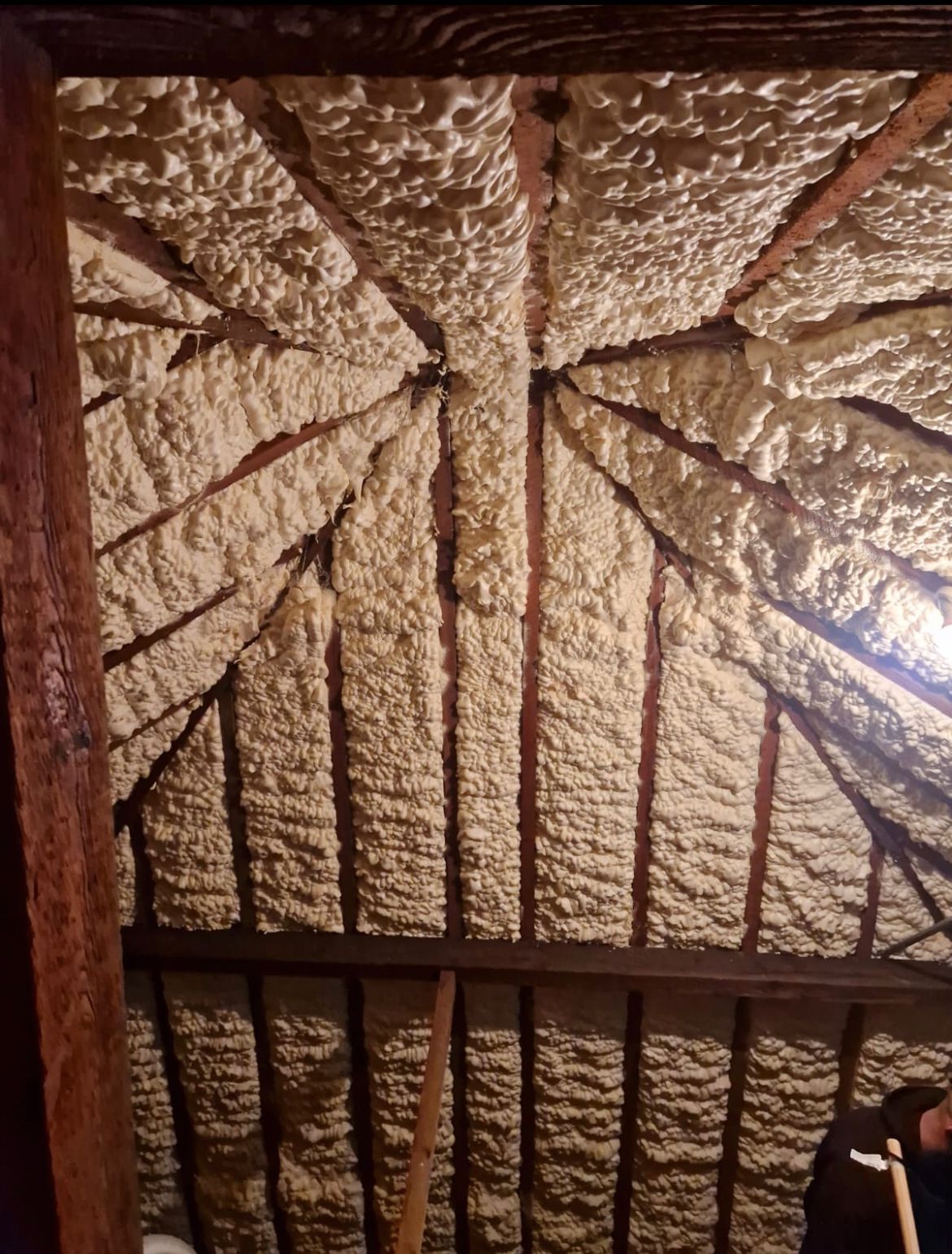
Closed cell foam is denser, harder, and far less breathable. While it offers strong insulation properties, it is also the type most commonly associated with mortgage concerns. Because it forms a rigid bond with roof timbers and tiles, surveyors often struggle to inspect the condition of the roof beneath it.

In many cases, this inability to inspect hidden roof structures is precisely why lenders become hesitant.

Why Are Mortgage Lenders Concerned About Spray Foam?

The growing issue surrounding spray foam insulation is not necessarily the insulation itself. The real concern lies in what may be hidden beneath it.

When spray foam is applied directly to roof felt and timber, it can restrict airflow and trap moisture. Over time, this may contribute to condensation, timber decay, or hidden structural deterioration. Because surveyors cannot always see what is happening underneath the foam, many mortgage lenders consider the risk too high.

As a result, homeowners are increasingly facing situations where:

  • Mortgage applications are declined
  • Remortgages are delayed
  • Buyers withdraw from sales
  • Surveyors recommend further investigation
  • Roof inspections become more complex and costly

This has led to a significant rise in demand for professional spray foam removal services across England.

What Is Spray Foam Removal?

Spray foam removal involves the physical extraction of the insulation from the loft or roof structure. The objective is to restore visibility and access to the roof timbers, tiles, and felt beneath the foam.

Professional removal specialists use a combination of tools, techniques, and careful extraction methods to remove the foam while minimising damage to the roof structure.

In most cases, the process includes:

  • Assessing the condition of the loft and roof
  • Identifying the type of foam installed
  • Carefully removing the insulation from rafters and surfaces
  • Inspecting the roof structure beneath
  • Clearing waste materials from the property
  • Advising on ventilation or replacement insulation if required

For homeowners dealing with mortgage problems, full removal is often the most straightforward solution. Many lenders and surveyors prefer complete removal because it allows the roof structure to be properly inspected again.

What Is Spray Foam Re Claim?

Spray foam re claim is a more nuanced process. Rather than completely stripping the foam away, re claim focuses on managing or partially removing problematic sections while preserving areas that may still be functioning safely.

In some situations, only specific sections of spray foam are causing concern. A professional assessment may determine that targeted removal, ventilation improvements, or corrective work can address the issue without requiring full extraction.

Re claim solutions can include:

  • Removing foam from critical inspection areas
  • Improving loft ventilation
  • Addressing moisture concerns
  • Correcting poorly installed sections
  • Providing professional reports or assessments

The purpose of re claim is not simply to avoid removal costs. Instead, it aims to determine whether a less invasive solution can still satisfy structural concerns or survey requirements.

However, it is important to understand that re claim is not suitable in every case. Some lenders will still insist upon complete removal before approving a mortgage.

The Main Difference Between Removal and Re Claim

The distinction ultimately comes down to extent and purpose.

Spray foam removal seeks to eliminate the insulation entirely so that the roof can be fully inspected and restored to a more conventional condition.

Spray foam re claim seeks to manage the existing installation through corrective action, selective removal, or remediation work.

Removal is generally more comprehensive, while re claim is often more situational.

A homeowner facing an urgent mortgage rejection may require complete removal to satisfy lender requirements. Another property owner with minor survey concerns may benefit from a more tailored re claim approach.

Every property is different, which is why professional assessment is essential.

When Is Full Spray Foam Removal Recommended?

There are several situations where complete removal is usually considered the safest and most practical route.

Mortgage or Remortgage Problems

If a lender has specifically requested removal, partial measures are unlikely to resolve the issue. Full extraction often becomes necessary to proceed with the mortgage.

Signs of Roof Deterioration

If moisture, condensation, timber decay, or poor ventilation are discovered beneath the foam, removal allows the roof structure to be properly repaired.

Closed Cell Foam Installations

Because closed cell foam bonds tightly to roof materials, it is often viewed as the higher risk option. Many surveyors recommend removal as a precaution.

Preparing a Property for Sale

Removing problematic insulation before listing a property can help avoid delays later in the conveyancing process.

When Might Re Claim Be Appropriate?

There are also cases where a more measured solution may be suitable.

Minor Survey Concerns

If the spray foam is not causing visible damage and only limited inspection access is required, selective remediation may resolve the issue.

Open Cell Foam Installations

Some open cell products are viewed more favourably because they allow greater breathability. In certain circumstances, professional reports and corrective work may be sufficient.

Ventilation Issues

Where the primary concern is poor airflow rather than structural damage, improving loft ventilation may reduce risk significantly.

Budget Considerations

While safety and lender requirements should always come first, re claim solutions can sometimes reduce disruption and expense where full removal is unnecessary.

How Much Does Spray Foam Removal Cost?

One of the most common questions homeowners ask is how much spray foam insulation removal will cost.

There is no universal figure because pricing depends on several factors, including:

  • The size of the loft
  • The thickness of the foam
  • Whether the foam is open or closed cell
  • Ease of access
  • Roof condition
  • Amount of manual extraction required
  • Waste disposal requirements

Closed cell foam generally takes longer to remove due to its density and adhesion. Older installations can also present additional challenges.

A professional survey is usually the best way to obtain an accurate quotation.

Can Spray Foam Be Removed Without Damaging the Roof?

Professional removal specialists aim to minimise disruption wherever possible. However, the reality is that some roof coverings or felt materials may already be compromised beneath the insulation.

This is another reason why experienced assessment matters. A careful removal process allows hidden problems to be identified before they worsen further.

Attempting DIY spray foam removal is strongly discouraged. Improper removal techniques can damage rafters, disturb roofing materials, and create safety risks within the loft space.

Why Professional Assessment Matters

Spray foam issues are rarely identical from one property to another. Some lofts remain structurally sound, while others conceal years of trapped moisture and deterioration.

An experienced inspection helps determine:

  • Whether the roof structure is healthy
  • Which type of foam is installed
  • Whether lenders are likely to raise concerns
  • If removal or re claim is the better solution
  • What corrective work may be needed

At Foam Away, the focus is always on giving homeowners clear, honest guidance rather than unnecessary alarm.

The Growing Importance of Spray Foam Specialists

As awareness around spray foam insulation grows, so too does the importance of using qualified specialists. Mortgage lenders, surveyors, and buyers increasingly expect professional documentation and evidence that work has been carried out correctly.

Homeowners across Dorset, Hampshire, Sussex, Birmingham, Coventry, and the wider Midlands are now seeking trusted experts who understand both the technical and property market implications of spray foam insulation.

The issue is no longer simply about insulation. It is about mortgageability, structural confidence, and protecting long term property value.

Frequently Asked Questions

Can spray foam insulation stop you getting a mortgage?

Yes. Some lenders may refuse mortgages on properties containing spray foam insulation, particularly closed cell foam, because of concerns surrounding hidden roof damage and limited inspection access.

Is spray foam insulation dangerous?

Not necessarily. However, poorly installed spray foam or trapped moisture beneath the insulation can contribute to roof problems over time.

What is spray foam re claim?

Spray foam re claim refers to corrective or partial remediation work designed to address specific concerns without always requiring complete removal.

Do all mortgage lenders reject spray foam insulation?

No. Policies vary between lenders. Some may request specialist reports, while others insist upon full removal before lending.

Is open cell or closed cell spray foam worse?

Closed cell spray foam is generally considered more problematic because it is denser, less breathable, and more difficult to inspect beneath.

Can you sell a house with spray foam insulation?

Yes, although spray foam may complicate the process if surveyors or mortgage lenders raise concerns during conveyancing.

Final Thoughts

Spray foam removal and spray foam re claim are not the same thing, and understanding the distinction is essential for homeowners navigating mortgage concerns or property surveys.

In some cases, targeted corrective work may provide an appropriate solution. In others, full removal is the clearest path forward. The right approach depends entirely on the property, the type of insulation installed, and the concerns identified during inspection.

What matters most is obtaining professional guidance from specialists who understand both the technical and financial implications involved.

For homeowners across the South Coast and the Midlands, Foam Away provides honest assessments, expert advice, and professional solutions tailored to each property. Whether you are facing a remortgage issue, preparing to sell your home, or simply seeking reassurance about your loft insulation, speaking with an experienced specialist can provide much needed clarity.

Get in Touch Today

If you are facing concerns surrounding spray foam insulation, obtaining professional advice early can make all the difference. Whether you have been flagged during a mortgage survey, are preparing to sell your property, or simply want reassurance about the condition of your roof space, Foam Away is here to help.

With extensive experience supporting homeowners across the South Coast and the Midlands, Foam Away provides honest assessments, expert guidance, and tailored solutions for both spray foam removal and spray foam re claim. Every property is different, which is why the team takes the time to fully inspect each installation before recommending the most appropriate course of action.

From Bournemouth and Southampton to Birmingham, Leicester, and beyond, homeowners trust Foam Away for professional service, clear communication, and a straightforward approach to resolving spray foam concerns.

To arrange a survey, discuss your options, or speak with a member of the team, get in touch with Foam Away today and take the first step towards restoring confidence in your property.

The Hidden Risks of Spray Foam Insulation Explained

Energy Efficiency

Spray foam insulation was once marketed as a revolutionary solution for improving energy efficiency within British homes. Promoted through government backed schemes and aggressive sales campaigns, it appeared to offer homeowners an easy route towards reduced heating costs and improved thermal performance.

However, the reality has become considerably more complicated.

Across England, increasing numbers of homeowners are now discovering that spray foam insulation can create serious problems when attempting to sell or remortgage their property. Surveyors are flagging concerns, mortgage lenders are becoming cautious, and many property owners are facing substantial removal costs simply to restore confidence in their homes.

For some, what began as an energy saving improvement has become a financial burden capable of delaying sales, reducing property values, and concealing damage within roof structures.

At Foam Away, we regularly assist homeowners who are confronting the consequences of problematic spray foam installations. Through our specialist Spray Foam Reclaim service, we help restore roof spaces, improve mortgageability, and provide practical solutions for properties affected by spray foam insulation issues.

What Is Spray Foam Insulation?

Spray foam insulation is a chemical product applied directly onto roof tiles, rafters, loft spaces, and cavity areas in order to create a thermal barrier. Once applied, the foam rapidly expands and hardens, forming an insulating layer intended to reduce heat loss.

There are two primary types of spray foam insulation used within UK homes.

Open Cell Spray Foam

Open cell spray foam is softer and lighter in texture. It allows a degree of air movement and is generally considered less rigid than its counterpart. Whilst some installers claim this makes it more breathable, it can still create significant complications when applied incorrectly.

Closed Cell Spray Foam

Closed cell spray foam is far denser and more rigid. It forms a hard surface that bonds tightly to roof timbers and tiles. Although it offers stronger insulation properties, it is also associated with greater structural concerns because it can trap moisture and restrict proper roof ventilation.

Mortgage lenders and surveyors often view closed cell foam with heightened concern due to the difficulty involved in inspecting roof structures hidden beneath the material.

Why Has Spray Foam Insulation Become Controversial?

The controversy surrounding spray foam insulation has intensified in recent years as mortgage providers and surveyors have become increasingly cautious.

Lenders such as Halifax, Santander, Barclays, Nationwide, and HSBC have all been linked to stricter scrutiny involving properties containing spray foam insulation. Whilst policies vary, many surveyors now identify spray foam as a potential risk factor during valuations.

This caution largely stems from several recurring concerns.

Hidden Timber Damage

Spray foam can adhere directly to timber rafters and roof structures, making inspections extremely difficult. Over time, trapped moisture may contribute to timber decay, mould growth, or rot that remains concealed beneath the foam.

Surveyors are unable to fully assess the condition of hidden structures without removal, which naturally increases lender hesitation.

Reduced Roof Ventilation

Traditional roof spaces rely upon airflow to regulate moisture levels. Spray foam insulation can obstruct ventilation pathways, allowing condensation to accumulate unnoticed over prolonged periods.

This may gradually compromise the integrity of roof timbers and create conditions favourable to damp related deterioration.

Difficulty Selling Properties

Many homeowners only discover the implications of spray foam insulation when they attempt to sell their property.

Potential buyers may struggle to obtain mortgage approval, resulting in delayed transactions or collapsed sales altogether. In some cases, homeowners are required to remove the foam before lenders will proceed.

Expensive Removal Costs

Removing spray foam insulation is neither simple nor inexpensive. Specialist removal techniques are often necessary to avoid damaging roof structures beneath the foam.

Costs vary significantly depending upon property size, foam type, accessibility, and installation quality. However, many homeowners face substantial unexpected expenses in order to restore lender confidence.

The Hidden Risks of Spray Foam Insulation

Whilst energy efficiency remains important, homeowners must also understand the broader implications associated with spray foam insulation.

Property Devaluation

Properties containing spray foam insulation may be viewed as higher risk by surveyors and lenders alike. This perception can negatively affect market value and buyer interest.

Even where no visible damage exists, uncertainty surrounding concealed roof conditions can discourage potential purchasers.

Mortgage Rejections

Mortgage refusals involving spray foam insulation have become increasingly common throughout England.

Surveyors acting on behalf of lenders may recommend further inspections or outright rejection until the foam has been professionally removed. For homeowners attempting to move quickly, this can create enormous frustration and financial pressure.

Condensation Problems

When ventilation becomes restricted, condensation may accumulate within roof spaces over many years. Unfortunately, because spray foam conceals underlying materials, moisture problems may remain undetected until considerable deterioration has occurred.

Structural Damage

In severe cases, roof timbers affected by trapped moisture may weaken over time. Repairing compromised structures can become extremely costly, particularly where extensive timber replacement is required.

Limited Roof Access

Routine roof repairs also become more difficult once spray foam has been installed. Roofers may struggle to identify leaks or inspect damage hidden beneath hardened foam layers.

Signs Your Spray Foam Insulation Could Be Problematic

Many homeowners remain unaware that their spray foam installation may already be causing concern.

Common warning signs include:

  • Surveyors raising concerns during property valuations
  • Mortgage applications being delayed or declined
  • Condensation or damp smells within the loft
  • Visible mould around roof timbers
  • Cracking or deterioration within roof structures
  • Difficulty obtaining home insurance
  • Concerns raised by roofing contractors

If any of these issues arise, seeking professional advice promptly is strongly advisable.

Can Spray Foam Insulation Damage Your Roof?

Unfortunately, the answer can be yes.

Whilst not every installation results in damage, poorly installed or incorrectly specified spray foam can create long term structural concerns. Closed cell foam is particularly problematic because it bonds aggressively to roof materials and restricts natural movement and ventilation.

Over time, moisture trapped against timber surfaces may accelerate decay. Roof repairs also become more invasive because foam often requires removal before proper inspection can occur.

This is precisely why many surveyors now approach spray foam insulation with caution.

Average Spray Foam Removal Costs Explained

The cost of removing spray foam depends upon several important factors.

These include:

  • The type of foam installed
  • The size of the affected roof space
  • Accessibility within the loft
  • The condition of the underlying timbers
  • Whether additional roof repairs are required

Whilst smaller removals may cost several thousand pounds, larger or heavily affected properties may require more substantial investment.

However, many homeowners find that removal becomes essential in order to proceed with property sales or mortgage approvals.

At Foam Away, we provide professional assessments designed to help homeowners understand the safest and most practical route forward.

What Is Spray Foam Reclaim?

Foam Away’s Spray Foam Reclaim service is designed to help homeowners restore confidence in their properties through professional assessment and removal solutions.

Our service focuses upon:

  • Safe spray foam removal
  • Roof structure inspections
  • Restoring ventilation pathways
  • Helping improve mortgageability
  • Supporting homeowners during property sales
  • Reducing long term structural risk

We understand the stress many homeowners experience after discovering spray foam related issues. Our aim is to provide practical guidance, transparent solutions, and professional workmanship throughout every stage of the process.

How Foam Away Helps Homeowners Across England

Foam Away supports homeowners throughout England who are facing concerns involving spray foam insulation.

Whether you are attempting to sell your home, secure a mortgage, or simply gain peace of mind regarding your roof structure, our experienced team can assist with tailored advice and specialist removal solutions.

We recognise that many homeowners feel overwhelmed after receiving negative survey reports or lender warnings. Through our independent expertise and Spray Foam Reclaim service, we help clients move forward with clarity and confidence.

Frequently Asked Questions

Why do mortgage lenders dislike spray foam insulation?

Many lenders are concerned because spray foam can conceal roof defects, restrict ventilation, and make structural inspections difficult.

Is spray foam insulation dangerous?

Spray foam itself is not always inherently dangerous, but poor installation and long term moisture retention can contribute to serious property issues.

Can spray foam insulation reduce property value?

Yes. Some buyers and lenders view spray foam as a potential risk, which may affect marketability and valuations.

Is open cell foam safer than closed cell foam?

Open cell foam is generally considered less rigid and more breathable, although both types may still create concerns if installed incorrectly.

Can spray foam insulation be removed?

Yes. Specialist services such as Foam Away’s Spray Foam Reclaim service can professionally remove problematic installations.

How can I tell if my spray foam insulation is causing problems?

Signs may include mortgage delays, damp smells, mould growth, surveyor warnings, or visible timber deterioration.

Conclusion

Spray foam insulation was once widely promoted as an innovative energy saving solution. Yet for many homeowners across England, the long term consequences have proven deeply concerning.

Mortgage complications, hidden roof damage, reduced property values, and costly removals are becoming increasingly common realities associated with poorly installed spray foam insulation.

If you have concerns regarding spray foam within your property, seeking professional guidance early can help prevent greater financial and structural difficulties in the future.

Foam Away provides trusted independent expertise alongside specialist Spray Foam Reclaim solutions designed to help homeowners restore confidence in their homes.

Whether you require a professional assessment, removal advice, or support during a property sale, our experienced team is here to help.

Is Spray Foam Insulation Affecting Your Mortgage Approval?

Spray Foam Insulation

For years, spray foam insulation was marketed as a modern solution for improving energy efficiency in British homes. Homeowners were told it would reduce heating bills, improve comfort, and help properties meet increasingly demanding energy standards. Yet across the United Kingdom, many property owners are now discovering an uncomfortable reality. Spray foam insulation can create serious complications when applying for a mortgage or attempting to sell a property.

From failed surveys to reduced valuations and outright mortgage refusals, the issue has become a growing concern throughout the property market. Homeowners who installed spray foam in good faith are now facing difficult questions from lenders, surveyors, and buyers alike.

If you have recently been told that spray foam insulation may affect your mortgage approval, you are certainly not alone. Fortunately, there are practical solutions available, and understanding the issue is the first step towards resolving it.

At Foam Away, we help homeowners across the UK remove problematic spray foam insulation safely and professionally, helping restore confidence for mortgage lenders, surveyors, and prospective buyers.

Why Are Mortgage Lenders Concerned About Spray Foam Insulation?

Mortgage lenders are ultimately concerned with risk. When a lender agrees to finance a property purchase, they need reassurance that the home remains structurally sound and retains its market value.

Spray foam insulation can create uncertainty in several ways.

Restricted Roof Inspections

One of the main concerns involves roof timbers. Traditional loft insulation allows surveyors to inspect the condition of the roof structure easily. Spray foam insulation, however, adheres directly to the underside of roof tiles and timbers, often concealing signs of damage.

Surveyors may struggle to identify:

  • Timber decay
  • Water ingress
  • Condensation
  • Rot
  • Structural deterioration

If a surveyor cannot properly assess the roof, many lenders become hesitant to proceed.

Moisture and Condensation Risks

Certain forms of spray foam insulation can restrict airflow within the roof space. Poor ventilation may increase the risk of trapped moisture, which can eventually lead to damp conditions and timber decay.

Even where no visible damage exists, lenders often view the potential for hidden problems as a significant concern.

Difficulty Removing the Insulation

Another issue is removability. Spray foam can bond aggressively to roof timbers and tiles. In some cases, removing it without damaging the roof structure can prove challenging and expensive.

Mortgage providers may therefore worry about future repair costs or reduced resale value.

How Spray Foam Insulation Can Affect Mortgage Approval

The impact on mortgage applications can vary depending on the lender, survey findings, and the type of spray foam installed. However, many homeowners report similar difficulties.

Mortgage Refusals

Some lenders may decline mortgage applications entirely if spray foam insulation is present, particularly if surveyors cannot inspect the roof adequately.

Reduced Property Valuations

Surveyors may lower the property’s valuation due to perceived risks associated with spray foam insulation. A reduced valuation can affect borrowing amounts and delay property transactions.

Remortgage Complications

Homeowners looking to secure a better mortgage rate may encounter difficulties when remortgaging. Even if the property was previously accepted by another lender, updated lending criteria may produce a different outcome.

Equity Release Issues

Older homeowners seeking equity release products are also encountering problems. Some providers are unwilling to proceed while spray foam remains installed.

Delays During Property Sales

Buyers may become nervous after survey reports mention spray foam insulation concerns. Transactions can quickly stall while further investigations take place.

Which Mortgage Lenders Have Concerns About Spray Foam Insulation?

Lending policies continue to evolve, but many UK mortgage providers now approach spray foam insulation cautiously.

Surveyors working on behalf of lenders such as:

  • Halifax
  • Nationwide
  • Santander
  • Barclays
  • HSBC

may raise concerns depending on the type, condition, and installation method of the foam.

It is important to understand that policies vary significantly. Some lenders may still approve mortgages if sufficient documentation exists, while others may request specialist reports or recommend removal before proceeding.

This inconsistency is precisely why so many homeowners feel confused and frustrated.

Open Cell vs Closed Cell Spray Foam

Not all spray foam insulation is identical. Understanding the difference between open cell and closed cell foam is essential.

Open Cell Spray Foam

Open cell foam is softer and more breathable. It expands considerably during installation and is often considered less rigid than closed cell foam.

While some installers argue that it presents fewer ventilation concerns, lenders and surveyors may still raise objections.

Closed Cell Spray Foam

Closed cell foam is denser, harder, and more rigid. It creates a stronger seal and offers greater structural reinforcement.

However, because it bonds tightly to roof materials, surveyors often find inspections more difficult. Removal can also be considerably more labour intensive.

From a mortgage perspective, both forms of spray foam can create complications.

Signs Your Spray Foam Insulation May Be Causing Mortgage Problems

Many homeowners only discover the issue during the mortgage process. However, several warning signs may indicate that spray foam insulation is becoming problematic.

Survey Reports Mention Limited Roof Visibility

If a surveyor states that roof timbers cannot be adequately inspected, lenders may request further investigation.

Buyers Become Hesitant

Purchasers may withdraw or renegotiate after learning about spray foam insulation concerns.

Mortgage Applications Stall

Unexpected delays during underwriting can indicate that lenders are reviewing the property more carefully.

Requests for Specialist Reports

Some lenders now require independent spray foam assessments before approving finance.

Concerns About Roof Ventilation

Condensation or ventilation issues within the loft space can increase lender caution.

Is All Spray Foam Insulation Bad?

This is one of the most common questions homeowners ask.

The truth is more nuanced than many headlines suggest.

Spray foam insulation itself is not automatically defective. In some cases, it may have been installed correctly and may not currently be causing visible damage.

However, the broader issue lies in lender perception and surveyor accessibility.

Even where no structural problems exist, lenders may still hesitate because:

  • Roof timbers cannot be fully inspected
  • Future maintenance may prove difficult
  • Removal costs can be substantial
  • Marketability may be affected

As a result, perfectly functional spray foam installations can still create mortgage obstacles.

How Removing Spray Foam Insulation Can Help

For many homeowners, removal becomes the most effective route towards restoring mortgage confidence.

Professional spray foam insulation removal can help by:

  • Allowing full roof inspections
  • Improving lender confidence
  • Supporting smoother property sales
  • Reducing survey concerns
  • Restoring ventilation pathways
  • Improving marketability

In many situations, lenders and buyers become significantly more comfortable once the spray foam has been professionally removed.

The Spray Foam Insulation Removal Process

Many homeowners worry that removal will be highly disruptive. While the process does require specialist expertise, experienced professionals can complete the work safely and methodically.

At Foam Away, the process typically includes:

Initial Assessment

A thorough inspection determines:

  • The type of foam installed
  • The extent of coverage
  • Roof condition
  • Accessibility
  • Potential risks

Safe Removal

Specialist equipment and techniques are used to remove the foam carefully while minimising damage to surrounding materials.

Roof Inspection

Once the foam has been removed, the roof structure can be properly inspected for any signs of damage or moisture.

Clean Up and Disposal

All waste materials are removed responsibly, leaving the loft space clean and accessible.

Documentation

Homeowners may receive supporting documentation confirming professional removal, which can assist during mortgage applications or property sales.

Why Homeowners Across the UK Choose Foam Away

When dealing with mortgage concerns, homeowners need reassurance, professionalism, and experience.

Foam Away specialises in helping homeowners resolve spray foam related property issues with clear guidance and expert workmanship.

Clients choose Foam Away because we provide:

  • Experienced spray foam removal specialists
  • Professional and careful removal methods
  • Honest assessments
  • Friendly customer support
  • Mortgage focused solutions
  • Reliable service across the UK

We understand how stressful mortgage delays and survey issues can become. Our goal is to help homeowners regain confidence in their property and move forward without unnecessary complications.

Frequently Asked Questions

Can spray foam insulation stop you getting a mortgage?

Yes. Some mortgage lenders may refuse applications or request additional surveys if spray foam insulation is present.

Do all mortgage lenders reject spray foam insulation?

No. Policies vary between lenders, but many now apply stricter scrutiny when spray foam is identified.

Does removing spray foam help mortgage approval?

In many cases, yes. Professional removal can allow surveyors to inspect the roof fully and may improve lender confidence.

Final Thoughts

Discovering that spray foam insulation may affect your mortgage approval can feel deeply frustrating, especially if the installation was originally presented as a beneficial home improvement.

Yet the reality is that many UK lenders and surveyors are now approaching spray foam insulation with increasing caution. Whether you are selling your property, remortgaging, or applying for equity release, unresolved spray foam concerns can create significant delays and uncertainty.

The encouraging news is that solutions are available.

Professional spray foam insulation removal can help restore confidence for lenders, buyers, and surveyors alike while improving the long term marketability of your property.

If you are facing mortgage difficulties linked to spray foam insulation, Foam Away is here to help.

Contact Foam Away today to arrange a free survey and speak with a specialist about restoring your property’s mortgage potential.

Trusted & verified on

Checkatrade
AXA
Bark
City & Guilds
Google Reviews
Trustpilot
Yell
Checkatrade
AXA
Bark
City & Guilds
Google Reviews
Trustpilot
Yell