0800 994 9026
enquiries@foam-away.com

Does My Spray Foam Insulation Need Removing?

How Can I Tell if My Spray Foam Insulation Needs Removing?

Several signs can indicate that your spray foam insulation warrants closer investigation.

Importantly, you should consider the installation as part of the wider roof rather than looking at the foam in isolation. Your roof covering, timbers, ventilation, moisture levels and original construction all contribute to the way the structure performs.

You should consider seeking professional advice if you notice moisture or condensation, have concerns about the condition of your roof, cannot adequately inspect the timbers or encounter problems when selling or remortgaging your home.

Poor installation can provide another reason to investigate. Foam Away identifies trapped moisture, hidden roof concerns and inadequate application among the issues that can arise with problematic installations.

Ultimately, the most reliable way to decide whether spray foam insulation removal is appropriate is to consider the individual condition and circumstances of your property.

Moisture and Condensation Around Your Roof

Moisture deserves attention in any roof, regardless of whether spray foam is present.

Look for symptoms such as persistent condensation, damp patches, mould, musty odours or visible moisture around accessible roof timbers. These signs do not prove that spray foam has caused a problem. Nevertheless, they provide a good reason to investigate what is happening.

RICS explains that most traditional pitched roofs in houses and bungalows were designed with ventilation in mind. Applying spray foam to the underside of the roof changes how that roof space performs. If insulation is installed incorrectly, inadequate moisture control can result in condensation and damage to parts of the property.

Consequently, you should not simply assume that removing the visible moisture will solve the underlying issue. The cause needs to be understood.

If spray foam prevents an adequate assessment of the affected area, professional removal may form part of the solution.
spray foam removal

You Cannot Properly See the Roof Timbers

One of the most important concerns surrounding spray foam is visibility.

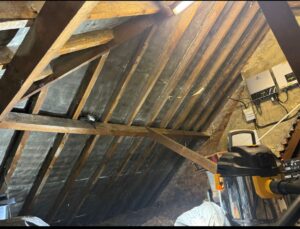
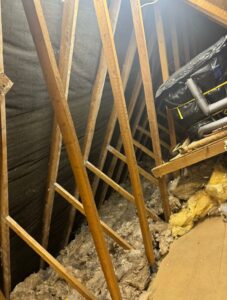
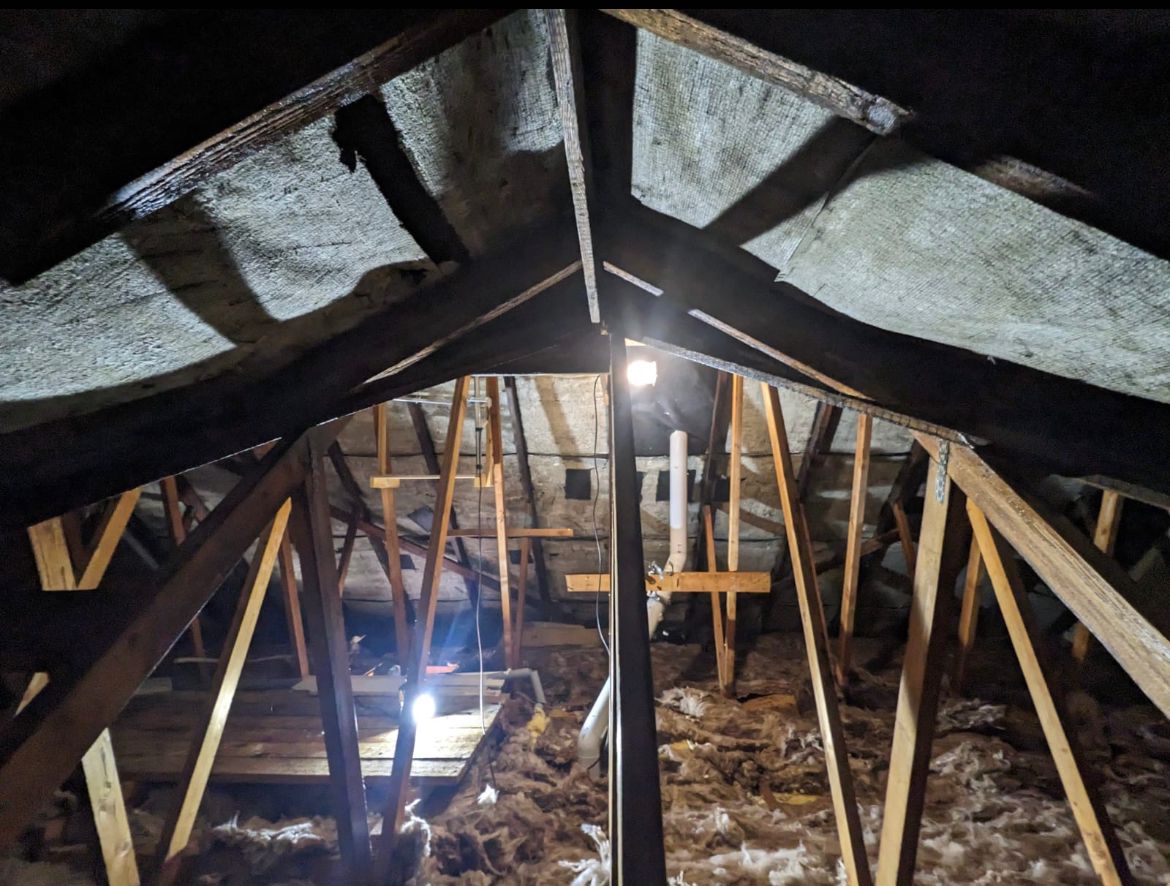
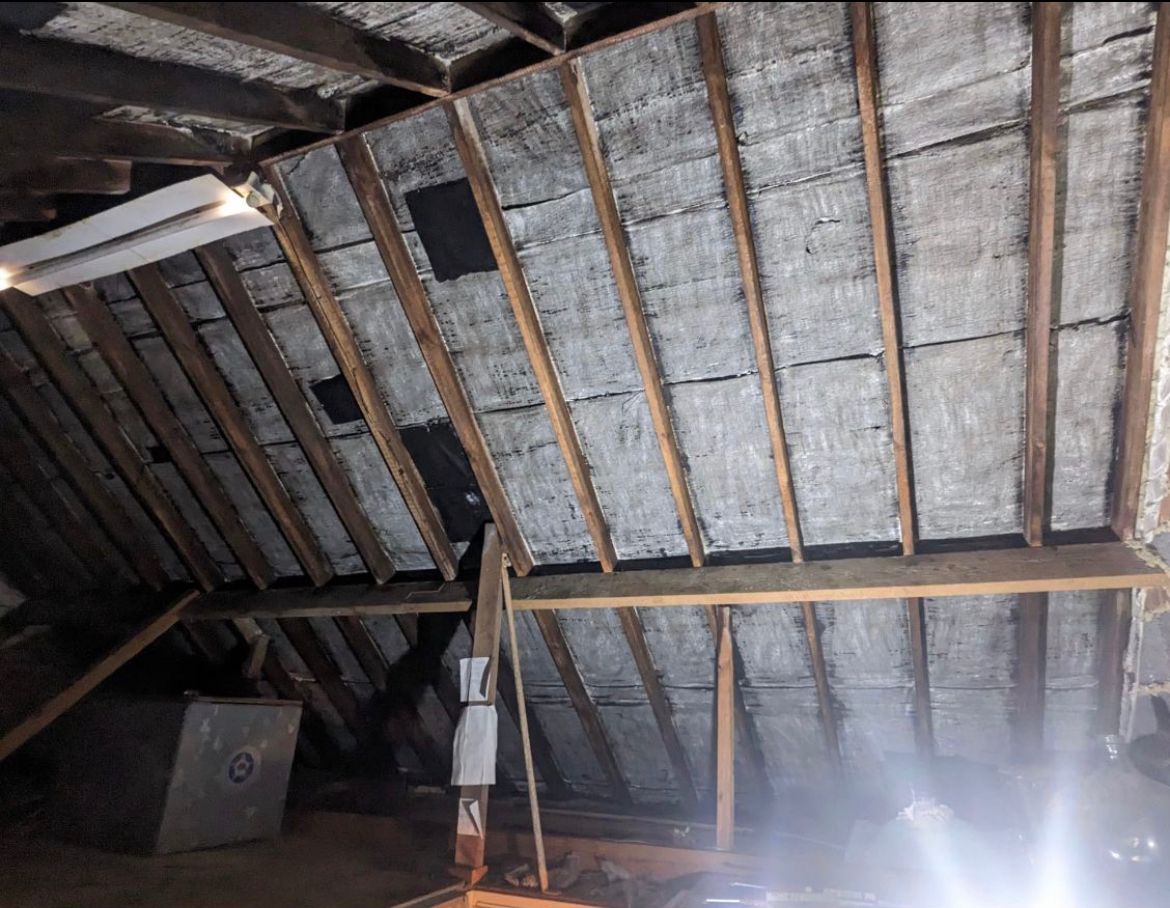
A roof needs to be inspected and maintained throughout its life. However, spray foam applied around rafters and other parts of the structure can conceal areas that would ordinarily be visible from inside the loft.

RICS specifically warns that some spray foam insulation can restrict the view of a roof from within the roof space. If foam covers the timber structure, a complete visual inspection may become difficult.

This matters because problems such as water ingress or timber deterioration may be harder to identify when the relevant areas are hidden.

The issue can become particularly important when you arrange a building survey, prepare your home for sale or apply for a new mortgage.

Professional spray foam removal can expose previously covered areas, making it possible for the underlying structure to be examined more readily.

The Spray Foam Was Poorly Installed

Not every spray foam installation has been completed to the same standard.

Poor application may result in uneven coverage, inappropriate positioning or other problems that affect how the roof performs. Furthermore, the original condition of the roof should have been considered before the insulation was installed.

RICS advises that a property should be wind and watertight before thermal improvements are undertaken. It also states that appropriate consideration should be given to ventilation, condensation risk and the condition of existing materials.

Therefore, if you have doubts about how your spray foam was installed, further assessment can help establish whether leaving it in place is sensible.

It is also worth finding any documentation supplied when the work was completed. Installation records, product information, calculations, warranties and photographs may help professionals understand what was installed and how the work was undertaken.
spray foam removal

You Have Concerns About Roof Ventilation

Ventilation is another important consideration.

Many traditional pitched roofs rely upon air circulation to help manage water vapour and reduce condensation risk. Adding spray foam can change the way air and moisture move through the roof space.

However, it would be misleading to say that spray foam automatically causes condensation or ventilation problems.

The result depends upon the roof construction, insulation product, installation method and measures taken to manage moisture. RICS notes that there is no single approach suitable for every installation and that different spray foam products have their own requirements.

Therefore, visible condensation or concerns about restricted ventilation should prompt proper investigation rather than assumptions.

If your existing foam is contributing to a problematic roof arrangement, professional spray foam removal may allow the roof space to be reassessed and an appropriate solution considered.

Your Mortgage Provider or Surveyor Has Raised Concerns

For many homeowners, the first indication of a problem does not appear until they decide to remortgage or sell.

Spray foam insulation can become relevant during a valuation because a surveyor needs to consider the property and follow any instructions or policies provided by the lender.

RICS states that the presence of spray foam may affect a surveyor’s professional opinion of value. A surveyor who encounters it may also request an independent specialist report, and the findings of that report could influence the valuation.

However, this does not mean that every home containing spray foam is unmortgageable.

Individual lenders have their own policies and requirements. Likewise, circumstances vary considerably between properties.

If your lender, valuer or surveyor has specifically requested removal, you should establish exactly what evidence or work they require before proceeding.

Foam Away provides surveys, reports and specialist removal services across the UK, making the company a useful point of contact if spray foam has become an obstacle during your mortgage or remortgage process.
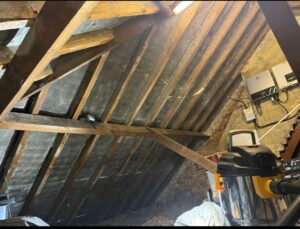
spray foam removal

You Are Planning to Sell Your Property

Spray foam can also become a concern during a property sale.

A prospective buyer may commission a survey, while their mortgage lender may arrange a valuation. At this stage, questions can arise about how the insulation was installed, whether the roof can be inspected and whether suitable documentation exists.

RICS recommends retaining relevant installation records, including information concerning the work, calculations, guarantees, warranties and independent certification where applicable. Such documentation can help answer questions from valuers, lenders and legal representatives.

If you do not have suitable documentation, or the foam prevents adequate inspection of the roof, further investigation may be requested.

Some homeowners therefore choose to explore spray foam removal before or during a sale.

Before commissioning work solely because you intend to sell, however, it is sensible to understand the precise concern. Professional advice can help you determine whether removal is appropriate for your circumstances.

Does All Spray Foam Insulation Need to Be Removed?

No. You should not assume that every spray foam installation needs to be removed.

The circumstances of the individual property matter.

The mere presence of spray foam does not establish that the roof timbers are damaged, that condensation is occurring or that the property cannot be mortgaged.

Indeed, RICS commentary has previously cautioned against treating spray foam itself as proof of a roof problem, noting that poor ventilation, high humidity and the pre existing condition of a roof can also contribute to difficulties.

Nevertheless, removal may become appropriate where the installation prevents adequate inspection, concerns exist about moisture or timber condition, the foam was installed incorrectly or a property transaction has brought specific requirements to light.

The key is to make the decision according to evidence rather than fear.
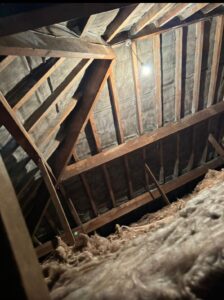
spray foam removal

Can I Remove Spray Foam Insulation Myself?

Spray foam insulation is quite different from simply lifting rolls of conventional loft insulation.

Once applied, the material can bond firmly to timbers and other surfaces within the roof. Foam Away explains that removal requires a careful approach because inappropriate methods can cause unnecessary damage to surrounding materials.

For this reason, DIY removal may create more problems than it solves.

A professional spray foam removal company can assess the installation before beginning work and approach the removal according to the condition and accessibility of the roof space.

This is particularly important if you are removing the foam because of a mortgage, survey or property sale. In those circumstances, the objective is not merely to make the foam disappear. You may also need the underlying roof structure to become accessible for subsequent inspection.

What Happens During Professional Spray Foam Removal?

The precise process depends upon your property.

Before work begins, the roof space should be assessed so that the extent of the installation, type of foam, access and condition of visible areas can be considered.

Removal itself requires the foam to be carefully separated from the relevant parts of the roof structure. Because spray foam can adhere firmly to surrounding materials, this can be a painstaking process.

Once the material has been removed, previously obscured parts of the roof become accessible. This can allow the underlying structure to be examined more readily.

The time required varies considerably. Foam Away explains that factors such as the type of foam, thickness of application, loft accessibility and condition of the roof can all influence the work involved.

Therefore, arranging an assessment before requesting a definitive timescale or quotation is sensible.
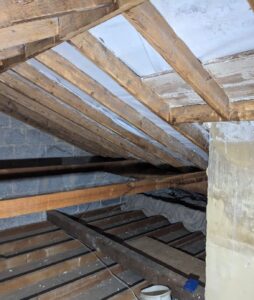
spray foam removal

Why Choose Foam Away for Spray Foam Removal?

If you have established that removal is the appropriate next step, choosing an experienced specialist is important.

Foam Away provides spray foam removal across the UK and states that it has more than a decade of experience working with spray foam in lofts and roof spaces. Its service includes surveys, detailed reports and removal, with support available from initial contact through to aftercare.

More importantly, your property should be considered individually.

Whether you are responding to concerns raised by a surveyor, preparing to sell your home, dealing with a mortgage issue or simply want the foam removed so that your roof can be properly inspected, the first step is to understand the installation in front of you.

Foam Away offers a free initial consultation for homeowners who want to discuss their circumstances and obtain a quotation for professional removal.

Conclusion

Deciding whether your spray foam insulation needs removing depends upon the condition of your roof, the quality of the installation and your individual circumstances. Concerns such as condensation, restricted ventilation, concealed roof timbers or difficulties with a mortgage, remortgage or property sale may indicate that professional investigation is worthwhile.

However, spray foam does not automatically require removal simply because it is present. A professional assessment can help establish whether removal is appropriate for your property.

If you believe your insulation may need removing, Foam Away provides professional spray foam removal throughout the UK. Whether you are preparing to sell your home, responding to concerns raised by a surveyor or simply want greater clarity about your roof, the team can help.

Contact Foam Away today to arrange a free initial consultation and request a quote for professional spray foam removal.
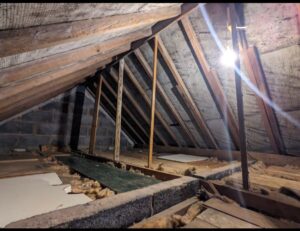
spray foam removal

Frequently Asked Questions

How do I know if my spray foam insulation needs removing?

Signs that warrant further investigation include moisture, condensation, concerns about ventilation, an inability to inspect roof timbers adequately, questionable installation quality or issues raised during a mortgage or property survey. These circumstances do not automatically mean removal is necessary, so professional assessment is advisable.

Does all spray foam insulation need to be removed?

No. The presence of spray foam alone does not mean it must be removed. The condition of the installation, roof design, moisture management, visibility of the structure and your individual circumstances should all influence the decision.

Can spray foam insulation cause mortgage problems?

Spray foam can affect the mortgage process in some circumstances. RICS explains that its presence may influence a surveyor’s opinion and that a specialist report may be requested. Lender requirements vary, so homeowners should establish the requirements of their particular provider.

Should I remove spray foam before selling my house?

Not automatically. First establish whether the spray foam is likely to present an issue during the sale. If a surveyor, buyer or lender raises a specific concern, professional assessment can help determine whether spray foam removal is an appropriate response.

Can I remove spray foam insulation myself?

Professional removal is generally the more prudent approach because spray foam can bond firmly to materials within the roof. Careless removal can damage surrounding components and may make an existing roof concern more complicated.

What should I do if a surveyor or mortgage lender raises concerns about spray foam?

Ask precisely what further information or work they require. Depending upon their response, you may need an independent assessment, supporting documentation or professional removal. If removal has been requested, Foam Away can discuss your property and provide a quotation for its UK spray foam removal service.
Can Spray Foam Removal Restore Roof Ventilation?

Can Spray Foam Removal Improve Roof Ventilation?

Spray foam removal can improve roof ventilation if the foam blocks airflow or affects moisture control. Removing the foam also exposes hidden areas of the roof. This allows for a more thorough inspection. However, removal alone may not solve every ventilation problem.

The right solution depends on the design and condition of your roof.

Many traditional pitched roofs rely on ventilation to manage moisture and reduce condensation. RICS explains that many pitched roofs in homes and bungalows were designed with ventilation in mind. Adding spray foam can change how the original roof design performs.

If you have concerns about spray foam in your roof, Foam Away can assess your situation. We can then help you decide whether professional spray foam removal is the right next step.

Why Does Your Roof Need Ventilation?

Good roof ventilation helps control moisture and condensation.

Everyday activities such as cooking, washing and drying clothes create water vapour. Warm, moist air can rise through your home and enter the loft.

When this air reaches a cold surface, condensation can form.

In a traditional cold roof, insulation helps keep heat within the rooms below. Ventilation allows air to move through the roof space and helps control moisture.

RICS explains that airflow within a cold roof can help manage moisture and reduce the risk of condensation.

Problems can develop when changes to the roof affect this balance.

Spray foam installed beneath the roof can change how the roof manages heat, airflow and moisture. This does not mean every installation will cause problems. However, installers need to consider ventilation, moisture control and the overall roof construction.

If you have concerns about poor airflow or condensation, a professional assessment can help identify the cause.

How Can Spray Foam Affect Roof Ventilation?

Spray foam does not automatically mean that your roof has a problem. However, an unsuitable installation can affect ventilation and moisture control.

Several factors determine how spray foam affects a roof. These include the type of foam, the installation method, roof construction, underlay and existing ventilation.

Problems can develop when installers fail to consider these factors properly.

RICS advises that some spray foam products need a ventilation channel behind the insulation. This helps manage condensation and moisture. Poor installation may restrict airflow and increase the risk of moisture problems.

Research from the Building Safety Regulator also shows that every roof is different. The type of foam, underlay and moisture control measures can all affect the risk of moisture and timber damage.

For this reason, you should assess the individual property rather than assume that all spray foam is safe or problematic. A professional assessment can help identify any concerns and determine whether spray foam removal is the right solution.

Signs Your Spray Foam Could Be Affecting Roof Ventilation

It is not always easy to tell whether your roof has enough ventilation. However, certain signs may suggest that you need a closer inspection.

Condensation

Regular condensation in your loft can indicate a moisture problem. Occasional moisture does not mean spray foam is the cause. However, persistent condensation may suggest that the roof cannot manage moisture effectively.

Dampness or Mould

Look for damp patches, mould or persistent moisture in your loft. These signs may indicate poor airflow or another problem that needs attention.

A Musty Smell

A persistent musty smell can point to excess moisture in the loft. Poor ventilation may contribute to the problem.

Concerns About Roof Timbers

Spray foam can cover large areas of roof timber. This can make it harder to inspect rafters and other important parts of the roof.

This may become particularly important when you sell or remortgage your property.

Concerns Raised by a Surveyor

A surveyor may recommend further investigation if spray foam prevents them from inspecting the roof properly.

RICS explains that a surveyor may request an independent specialist report when they find spray foam. The findings may then influence their assessment of the property.

If you notice any of these signs, consider arranging a professional assessment. This can help you understand the condition of your roof before deciding whether spray foam removal is necessary.

Will Removing Spray Foam Fix Roof Ventilation Problems?

Spray foam removal may improve roof ventilation, but it will not fix every problem.

If spray foam blocks a ventilation route, careful removal may help restore airflow. Removing the foam can also expose roof timbers and membranes. This makes it easier to inspect the roof and identify potential problems.

However, poor ventilation can have several causes. Your roof may lack suitable ventilation or have existing defects. High moisture levels or unsuitable insulation can also contribute to the problem.

For this reason, professional spray foam removal should form part of a careful assessment rather than act as a universal solution.

After removing the foam, a specialist can assess the roof. You can then consider any ventilation improvements, repairs or replacement insulation that may be needed.

Should You Have Spray Foam Removed?

Not every property with spray foam needs immediate removal.

Trading Standards advises homeowners to seek appropriate advice before making a decision. Removing spray foam may not always be necessary. It also does not guarantee that mortgage concerns will disappear.

However, you may want to consider professional spray foam removal if you have persistent condensation or moisture. You may also need advice if the foam prevents a proper roof inspection or a surveyor has raised concerns.

The issue can become particularly important when selling, buying or remortgaging a property.

Some surveyors, valuers and lenders may ask further questions when they find spray foam. However, this does not automatically make your property unmortgageable. Each lender has its own requirements.

If you plan to sell or remortgage, speak to your lender or surveyor first. Find out what they require before arranging spray foam removal specifically for the transaction.

What Happens During Professional Spray Foam Removal?

Professional spray foam removal requires care and attention. It involves much more than simply pulling insulation away from the roof.

Specialists aim to remove the unwanted foam while protecting the structure underneath. The process will vary depending on the property and how installers originally applied the foam.

Spray foam may surround rafters, stick to membranes or sit in difficult areas of the roof. These factors can make some removal projects more complex than others.

Careful removal helps reduce the risk of damaging roof timbers, membranes and other materials.

Once the foam has gone, previously hidden areas become easier to inspect. You can then assess the condition of the roof and identify any ventilation concerns.

This is one of the main reasons to avoid DIY spray foam removal. Without the right approach, you could cause unnecessary damage to your roof.

What Happens to Your Roof After Spray Foam Removal?

Removing spray foam can reveal much more about the condition of your roof.

Once the foam has gone, you can inspect previously covered timbers and surrounding materials. You can also check ventilation routes and look for signs of moisture or damage.

If the inspection reveals a problem, you can then decide what work the roof needs.

You should also consider suitable replacement insulation. The right choice will depend on your roof construction and ventilation requirements.

Do not treat insulation, ventilation and moisture control as separate issues. They all play a part in keeping the roof in good condition.

Government research shows that moisture risk can vary between different roof designs and spray foam installations. This makes a property specific approach particularly important.

How Much Does Spray Foam Removal Cost?

The cost of spray foam removal varies from property to property. Even similar sized lofts can require very different amounts of work.

Several factors can affect the price. These include the size of the roof space, the amount and type of foam and how easily specialists can access it. The way installers applied the foam can also affect the cost.

The roof construction matters too. Some foam is relatively easy to reach. Other installations may involve complex roof structures or delicate materials that require extra care.

For this reason, avoid relying on generic prices online. A professional assessment will provide a clearer picture of the work required and the likely cost.

If you are comparing spray foam removal companies, look beyond the price. Consider the work included in the quotation and how the company plans to approach the removal.

Is DIY Spray Foam Removal a Good Idea?

DIY spray foam removal can be difficult and may cause unnecessary damage to your roof.

Removing the visible foam is only part of the job. You also need to protect the materials beneath and around it.

Spray foam can stick firmly to roof timbers and membranes. Electrical cables may also run through the loft. Removing the foam without enough care could damage these important components.

You may also leave sections of foam behind and continue to hide parts of the roof from view.

If you have condensation or damp, you should investigate the cause rather than assume that the spray foam is responsible.

Professional roof spray foam removal offers a safer and more careful approach. A specialist can remove the unwanted material while taking greater care around the existing roof structure.

Common Spray Foam Removal Mistakes

A common mistake is assuming that all spray foam causes the same problems. It does not. The roof design, materials, ventilation and installation method all make a difference.

Homeowners may also assume that removal will automatically solve condensation. Removing the foam may help, but you should still check the roof’s ventilation and moisture levels.

Avoid installing new insulation before checking the roof. You need to understand its ventilation requirements first.

DIY spray foam removal can also cause problems. You could damage roof membranes, timbers, wiring or other important components.

Do not wait until you sell or remortgage your home before investigating known concerns. Acting earlier gives you more time to understand the problem and consider your options.

Can Spray Foam Cause Mortgage Problems?

Yes, spray foam can sometimes cause concerns during a mortgage application, remortgage or property sale. This can happen when the foam prevents a valuer or surveyor from inspecting the roof properly.

However, spray foam does not automatically prevent you from getting a mortgage. Some lenders will consider properties with spray foam and assess each application individually.

RICS also explains that spray foam can influence a surveyor’s opinion of a property. In some cases, they may ask for an independent specialist report.

If you plan to sell or remortgage your home, speak to your lender or surveyor first. Find out what they require before arranging spray foam removal specifically for a mortgage or property sale.

Spray Foam Removal in Dorset

If you need spray foam removal in Dorset, choosing an experienced specialist can make the process much simpler. Professional removal can help expose your roof structure and allow you to address any concerns about ventilation or moisture.

Foam Away provides spray foam removal in Bournemouth, Poole, Christchurch and across Dorset. We also help homeowners throughout the UK.

You may have concerns about condensation, poor ventilation or an upcoming property sale. A surveyor may also have raised questions about your spray foam insulation. Whatever the reason, the first step is to assess the existing installation and understand your options.

If you are searching for spray foam removal near me, speak to Foam Away. We can assess your requirements and advise whether professional removal is the right choice for your property.

Why Choose Foam Away for Spray Foam Removal?

Every roof is different. That is why spray foam removal requires care and attention.

Foam Away helps homeowners remove unwanted spray foam insulation and understand what to do next. We take the individual property and existing installation into account.

We believe in taking a practical approach. We do not want homeowners to worry unnecessarily. However, you should not ignore genuine concerns about moisture, ventilation or hidden roof timbers.

Our aim is simple. We assess the situation, identify the work required and approach removal with care for the surrounding roof structure.

If you need professional spray foam removal in Dorset or elsewhere in the UK, contact Foam Away. We can discuss your property and provide a quotation based on the work required.

Frequently Asked Questions About Spray Foam Removal

How do I know whether my spray foam needs removing?

Look for persistent condensation, damp, moisture or hidden roof timbers. A surveyor may also raise concerns about the installation. If you notice any of these issues, arrange a professional assessment before deciding on removal.

Can you remove spray foam without replacing the roof?

Yes, in many cases. It depends on the condition of the roof, the type of foam and how installers applied it. Spray foam does not automatically mean you need a new roof.

How long does spray foam removal take?

Timescales depend on the size of your roof, access and the amount of foam present. The type of foam and installation method can also affect removal time.

Should I get a quote before arranging removal?

Yes. Ask for a quote based on your property rather than relying on generic online prices. Every spray foam installation is different.

Can I remove spray foam before remortgaging?

Yes, but removal does not guarantee mortgage approval. Speak to your lender first and confirm their requirements before arranging the work.

Do you provide spray foam removal in Bournemouth?

Yes. Foam Away provides spray foam removal in Bournemouth, Poole, Christchurch and across Dorset. We also help homeowners throughout the UK.

Does Spray Foam Removal Create a Lot of Dust or Mess?

How Much Dust and Mess Does Spray Foam Removal Create?

If you are considering spray foam removal, one of the first questions you are likely to ask is whether the process creates a significant amount of dust or leaves your home in a mess. It is a perfectly reasonable concern. After all, any work carried out within a roof space has the potential to generate debris, particularly when insulation materials need to be removed from timber rafters and other structural elements.

The reassuring news is that whilst some dust and waste are unavoidable, professional spray foam removal is far cleaner and more controlled than many people expect. Experienced specialists use carefully planned working methods, protective equipment and thorough cleaning procedures to minimise disruption, helping to keep your property as clean as possible throughout the process.

For homeowners across Dorset, understanding what happens during spray foam removal can help remove much of the uncertainty surrounding the work and allow you to prepare with confidence.

Does Spray Foam Removal Create Dust?

The simple answer is yes. Removing any bonded insulation material will inevitably produce some dust and loose particles. However, the amount of dust created depends on several important factors, including the type of spray foam that has been installed, how it was originally applied and the techniques used during removal.

Closed cell spray foam, for example, is generally denser and more rigid than open cell foam. As a result, removing it often produces slightly larger fragments rather than fine particles. Open cell foam is lighter and softer, meaning it can sometimes create finer debris during removal.

Regardless of the type of insulation involved, professional contractors expect this from the outset and take appropriate measures to manage it effectively. Rather than allowing dust to spread throughout the property, experienced teams work within controlled areas and use specialist equipment designed to capture airborne particles as work progresses.

Why Professional Spray Foam Removal Is Much Cleaner Than DIY Removal

Some homeowners attempt to remove spray foam insulation themselves to save money. Although this may seem straightforward, the process is often far more challenging than expected.

Spray foam bonds firmly to roof timbers, making it difficult and time consuming to remove. Without the right tools and experience, DIY removal can create large amounts of debris and allow dust to spread beyond the loft.

Professional spray foam removal follows a structured process that keeps disruption to a minimum. Before work begins, contractors assess the roof and plan the safest and cleanest removal method. They understand how different types of spray foam behave and adapt their approach to suit each property.

Attempting to complete the work without suitable equipment can easily result in a far messier outcome than many homeowners anticipate.

How Professionals Minimise Dust Throughout the Process

Professional spray foam removal does more than remove insulation. It also protects the rest of your home throughout the process.

Contractors prepare every project carefully before work begins. They protect the surrounding area to prevent dust from spreading beyond the workspace.

They often cover floors, loft access points and nearby belongings with protective sheeting. When needed, they also seal sections of the property to contain airborne dust and debris.

This careful preparation reduces disruption and keeps cleaning to a minimum once the work is complete.

Specialist Equipment Makes a Significant Difference

One of the biggest differences between professional and amateur spray foam removal is the quality of the equipment being used.

Experienced contractors rely on specialist tools designed specifically for controlled insulation removal. Rather than simply breaking away sections of foam and allowing debris to fall freely, they remove material methodically whilst managing waste as they work.

Industrial vacuum systems play an important role throughout the process. These machines continuously collect dust and smaller particles before they have the opportunity to spread around the property.

Using professional extraction equipment not only helps maintain a cleaner working environment but also improves visibility for the technicians carrying out the removal. This allows the insulation to be removed more accurately whilst protecting the underlying roof structure.

Protecting Your Property During Spray Foam Removal

Many homeowners worry that spray foam removal will leave every room in the house needing extensive cleaning. In reality, experienced specialists keep disruption to a minimum.

Contractors carry out almost all of the work within the roof space. They carefully manage access routes and protect the surrounding areas to keep dust and debris contained.

Before work begins, they move or cover items stored in the loft to protect them from dust. As they remove the spray foam, they collect waste regularly before carrying out a final clean.

This organised approach limits disruption to the rest of the home and allows you to continue your daily routine with minimal inconvenience.

Does Every Spray Foam Removal Project Produce the Same Amount of Debris?

No two spray foam removal projects create the same amount of dust or waste. Every property presents different challenges.

The thickness of the insulation, the age of the spray foam, the condition of the roof and the accessibility of the loft all affect how much debris contractors produce during removal.

Older spray foam can become more brittle over time, whilst larger roof spaces naturally generate more waste because they contain more insulation.

Before work begins, experienced contractors assess these factors and explain what you can expect. This helps homeowners understand the likely level of disruption and prepares them for the removal process with confidence.

How Homeowners Can Prepare Before Spray Foam Removal

Although your contractor will carry out most of the preparation, there are several simple steps you can take to make the process smoother.

If you use your loft for storage, remove any personal belongings before work begins where possible. This provides clear access to the insulation and reduces the risk of items becoming dusty during removal. Larger items that cannot be moved can usually be covered with protective sheeting by the removal team.

It is also sensible to discuss access arrangements in advance. Ensuring the loft hatch is clear and providing adequate parking for the contractors helps the work begin promptly and keeps disruption to a minimum.

Many homeowners also appreciate knowing roughly how long the work is expected to take. Every property is different, but an experienced contractor should provide a realistic estimate following an initial inspection.

What Happens to the Removed Spray Foam?

Once contractors remove the spray foam, they collect and dispose of it responsibly. They never leave waste material behind in the loft.

Throughout the project, contractors gather the removed insulation to prevent debris from building up in the roof space. They securely bag the waste before removing it from the property.

This organised approach keeps the working area tidy and makes the final clean more efficient. By managing waste throughout the project, contractors reduce the risk of dust and debris spreading unnecessarily.

How Long Does Cleaning Take?

Cleaning plays an essential role in every professional spray foam removal project. Contractors plan it as part of the process rather than leaving it until the end.

Once they remove the insulation, they inspect the roof space for any remaining debris before carrying out a thorough clean. They use specialist vacuum equipment to remove loose dust from accessible surfaces and collect larger fragments by hand.

The amount of cleaning depends on the size of the property and the extent of the original installation. Smaller lofts with less insulation usually require less time, whilst larger roof spaces often need a more thorough clean.

The goal is to leave the loft clean, safe and ready for its next stage, whether that involves a roof inspection, repairs or the installation of new insulation.

Common Misconceptions About Spray Foam Removal

Several misconceptions about spray foam removal cause unnecessary concern for homeowners.

One common myth is that dust spreads throughout the entire house. In reality, professional contractors contain dust within the working area. They use protective sheeting, specialist equipment and proven techniques to keep disruption to the rest of the property to a minimum.

Another misconception is that spray foam removal always damages the roof. Experienced specialists remove the insulation carefully to protect the existing roof structure wherever possible. This also allows the underlying timbers to be inspected once the foam has been removed.

Some homeowners also believe they can achieve the same results using standard household tools. In most cases, DIY removal creates more dust, takes longer and increases the risk of damaging the roof structure.

Why Experience Matters

Spray foam removal demands patience, precision and a thorough understanding of different insulation products. Every roof is different, so each project requires its own approach.

Experienced contractors adapt their methods to suit the type of spray foam, the condition of the roof and the layout of the loft. They identify where dust is most likely to form and take steps to contain it before removal begins.

This careful preparation protects your home and helps the work progress efficiently.

For homeowners in Dorset, choosing an experienced spray foam removal specialist provides reassurance that the project will be completed professionally. Cleanliness remains a priority from the moment work starts until the final clean is complete.

Some homeowners arrange spray foam removal after a mortgage lender or survey raises concerns about the insulation. Professional removal allows the roof structure to be fully inspected, giving a clearer picture of its overall condition.

Final Thoughts

Spray foam removal does create some dust and debris, but it is far from the uncontrolled and excessively messy process that many people imagine.

With careful planning, protective measures and specialist equipment, experienced contractors can keep disruption to a minimum whilst protecting the rest of your property. Contractors manage dust throughout the project and carry out a thorough clean before completing the job

Whilst every property is unique, homeowners can usually expect a well organised process that prioritises cleanliness alongside the safe removal of the insulation.

If you are considering spray foam removal in Dorset and would like to understand what the process involves, speaking with an experienced specialist can provide tailored advice based on your property and help you approach the project with confidence.

Can Spray Foam Removal Save My Roof?

Can Removing Spray Foam Protect My Roof?

If you have spray foam insulation in your loft, you may have begun to wonder what is happening to the roof beneath it. Perhaps a surveyor has raised concerns. Perhaps you are preparing to sell your property or remortgage it. Or perhaps you simply want to know whether removing the foam now could prevent a relatively manageable issue from becoming a much more expensive roofing problem.

It is an important question, particularly because the presence of spray foam does not automatically mean that a roof is damaged.

However, spray foam can make it difficult to see parts of the roof structure and, where an installation is unsuitable or has been carried out incorrectly, problems involving ventilation, moisture and condensation can arise. RICS advises that incorrectly installed insulation can negatively affect ventilation and may result in moisture damage.

For homeowners across Dorset, professional spray foam removal can therefore be an important first step towards understanding what condition a roof is actually in.

How Can Spray Foam Affect Your Roof?

Spray polyurethane foam is applied as a liquid before expanding and hardening into an insulating layer. In roof spaces it may be applied to the underside of the roof.

The difficulty is not simply the presence of insulation. A roof is a complete system in which insulation, ventilation, moisture movement, roof coverings and structural timbers all have to work together.

RICS explains that a typical pitched roof loft is designed with ventilation that helps manage water vapour and reduce condensation risk. Applying spray foam to the underside of a roof changes the way that roof space behaves. If those changes have not been properly designed and managed, unintended problems can occur.

Potential concerns can include:

  • Restricted ventilation
  • Increased condensation risk
  • Moisture becoming trapped within the roof construction
  • Difficulty inspecting roof timbers
  • Existing defects being concealed
  • Greater difficulty identifying leaks or deterioration

This does not mean that every home containing spray foam will experience these problems.

The quality of the original installation, condition of the roof, type of roof construction, ventilation arrangements and materials used all matter.

The House of Commons Library also notes that spray foam, when installed incorrectly or used inappropriately, may reduce ventilation, contribute to dampness and condensation, and put timber roof structures at risk of decay.

Why Can Spray Foam Make Roof Inspections Difficult?

One of the most significant concerns surrounding spray foam insulation removal is visibility.

A roof inspection relies upon being able to see and assess the materials that form the structure. If foam is firmly attached to timbers, felt or other surfaces, important areas may be partially or completely hidden.

Imagine trying to judge the condition of a wooden table while much of its surface is covered by a thick, opaque material. You might be able to inspect the exposed sections, but you cannot confidently say what lies beneath the covering.

The same principle applies to a roof.

A surveyor or roofing professional may want to examine timbers for evidence of moisture, deterioration or structural defects. Spray foam can make that examination more difficult.

This is one reason its presence can become particularly important when a property is being sold or remortgaged.

Common Signs Your Roof May Need Investigating

Homeowners should not attempt to diagnose structural roof problems themselves, but there are circumstances in which seeking professional advice would be sensible.

These can include:

  • A persistent damp or musty smell within the loft
  • Visible moisture or condensation
  • Water staining
  • Mould growth
  • Evidence of roof leaks
  • Areas of timber that appear unusually dark or damp
  • Visible deterioration in accessible timber
  • Problems identified during a property survey
  • Concerns raised by a mortgage valuer
  • Missing paperwork relating to the original spray foam installation

You may also have no obvious symptoms at all.

That is precisely why inspection matters. The purpose of removing spray foam should not be to assume that damage exists. It should be to establish the facts.

What Happens When Spray Foam Is Removed?

Professional spray foam removal involves carefully removing the insulation from the areas to which it has adhered.

The precise method required will depend upon the foam, the way it was installed and the construction of the roof.

The objective is not merely to make the loft look tidier. Removal should expose the underlying structure sufficiently for its condition to be considered properly while avoiding unnecessary damage to the materials beneath.

Once the foam has been removed, previously concealed areas can be examined.

At this stage, a homeowner can obtain a much clearer picture of whether the roof is sound or whether remedial work should be considered.

This is also why attempting spray foam removal yourself can prove unwise. Roof structures contain materials that should not be damaged indiscriminately, and aggressive removal could potentially create additional problems.

Can Roof Timbers Recover After Spray Foam Removal?

This depends entirely upon their condition.

If the timbers are structurally sound and have not suffered significant deterioration, removing the foam may reveal that relatively little remedial work is necessary.

If moisture is present but the timber remains sound, the appropriate response may involve identifying the source of that moisture and ensuring the roof is allowed to perform correctly.

Where timber has suffered genuine decay or structural deterioration, however, removing the foam will not restore the damaged wood.

Repairs may then be necessary.

Will I Still Need Roof Repairs After Spray Foam Removal?

Possibly, but certainly not always.

There is an understandable fear among homeowners that discovering spray foam means discovering that an entire roof needs replacing. That conclusion should not be reached without evidence.

There are several possible outcomes following professional removal.

The exposed roof may be found to be in satisfactory condition. Minor repairs may be required in isolated areas. Moisture or ventilation concerns may need addressing. Individual timbers might require attention. In more serious cases, substantial roofing work could be necessary.

The extent of any repair should therefore be based upon the actual condition of the roof rather than an assumption made before the foam has been removed.

RICS advises homeowners to consider the condition of a roof as a whole and stresses the importance of keeping a property wind and watertight. It also notes that adding insulation to a poorly maintained roof can increase its vulnerability to moisture and accelerate deterioration of untreated timber structures.

Early investigation can consequently be valuable. Discovering a manageable problem sooner is preferable to leaving it concealed until it becomes more extensive.

Can Removing Spray Foam Help With Mortgage or Property Sale Problems?

This has become an important consideration for many homeowners.

The House of Commons Library published a briefing on spray foam insulation and mortgages in January 2026, noting that some homeowners have experienced difficulties selling or remortgaging properties containing spray foam insulation.

RICS similarly states that spray foam can affect a surveyor’s professional opinion of a property’s value. A surveyor encountering spray foam may request an independent specialist report, and the outcome can influence the valuation.

Professional removal may therefore form part of resolving a mortgage or property sale difficulty.

It is important, however, to be precise.

Removing spray foam does not guarantee that a lender will offer a mortgage.

Different lenders have different policies and individual properties are assessed according to their particular circumstances.

Following removal, further evidence or inspection may be required to establish the condition of the roof. Homeowners preparing to sell or remortgage should therefore retain relevant documentation relating to both the original installation, where available, and any subsequent removal or remedial work.

Why Professional Spray Foam Removal Matters

It can be tempting to regard spray foam removal as little more than scraping insulation away from timber.

In reality, the task requires considerably greater care.

The material may be firmly adhered to the roof structure and surrounding surfaces. Removing it without understanding what lies beneath can risk damaging roofing materials or leaving areas inadequately exposed.

Professional removal is particularly important when the purpose of the work is to enable a subsequent roof inspection, support a property sale or address concerns raised during a mortgage application.

A thorough approach gives the homeowner something far more useful than a loft that merely looks different. It creates the opportunity for the underlying roof to be properly understood.

What Should You Do After Spray Foam Removal?

Once the spray foam has been removed, resist the temptation to regard the matter as automatically resolved.

The exposed structure should be considered carefully.

If there were concerns about moisture, timber condition or roof defects, an appropriate professional inspection may be sensible. Any necessary repairs can then be identified on evidence rather than speculation.

Homeowners should also consider how the property will be insulated afterwards.

Removing an unsuitable insulation system does not remove the need for good energy efficiency. It simply provides an opportunity to consider an insulation approach appropriate to the construction and ventilation requirements of the property.

Documents relating to removal, inspections and subsequent work should also be kept safely. They may prove useful when selling, remortgaging or answering questions from a future surveyor.

Why Trust Foam Away?

For Dorset homeowners, discovering that spray foam insulation may need removing can feel daunting. The most useful response is not alarm but clarity.

Foam Away provides professional spray foam removal services for homeowners who want to understand what is happening beneath their existing insulation and take an informed approach to their property.

Our focus is on careful removal and straightforward guidance, helping homeowners move from uncertainty towards a clearer understanding of their roof.

Whether your concerns have arisen following a survey, during a mortgage application, ahead of selling your property or simply because you want the spray foam removed, speaking to a specialist can help you understand the options available.

Conclusion

Spray foam removal cannot undo damage that has already occurred, but it can be an important step in protecting the future of your roof. By removing insulation that conceals the underlying structure, homeowners can gain a much clearer understanding of the condition of their roof timbers and identify any moisture, ventilation or deterioration concerns that require attention.

Crucially, the presence of spray foam does not automatically mean that your roof is damaged or needs replacing. Every property is different, and the condition of the roof should be properly assessed before conclusions are drawn.

For homeowners across Dorset, professional spray foam removal can provide clarity, particularly when concerns have arisen during a survey, mortgage application or property sale. Acting sooner also means that any underlying problems can be identified and addressed before they have an opportunity to become more serious.

If you are concerned about spray foam insulation in your property, Foam Away can provide professional advice and careful spray foam removal throughout Dorset. Contact the team today to discuss your property, request a quotation and take the first step towards understanding what is really happening beneath your insulation.

Trusted & verified on

Checkatrade
AXA
Bark
City & Guilds
Google Reviews
Trustpilot
Yell
Checkatrade
AXA
Bark
City & Guilds
Google Reviews
Trustpilot
Yell