Spray foam insulation is commonly applied directly to the underside of roof coverings or between roof rafters. Once installed, it expands and adheres to surrounding materials, creating an insulating layer.
Although this application can help reduce heat loss, it may introduce practical difficulties when homeowners decide to convert their loft.
A successful loft conversion requires careful consideration of the roof’s structure, condition and suitability for the proposed alterations. However, spray foam insulation can restrict access to important areas.
Potential complications include:
Restricted timber inspections: Spray foam can conceal sections of rafters and other structural components.
Difficult structural alterations: Contractors may need to expose roof timbers before carrying out certain modifications.
Ventilation concerns: Some insulation arrangements can affect airflow and moisture management within the roof.
Additional preparation: Removing insulation from relevant areas may increase the work required before construction begins.
Limited access: Foam adhering to roofing materials can make certain repairs or alterations more complicated.
The extent of these difficulties depends on the insulation type, application method and proposed conversion design.
Therefore, obtaining professional advice before starting your project can help establish whether spray foam insulation removal is necessary.
One of the most significant concerns surrounding spray foam insulation and loft conversions is the difficulty of inspecting existing roof timbers.
Before undertaking structural alterations, contractors must establish whether the roof can accommodate the proposed conversion. This assessment may involve examining rafters, supporting timbers and other structural elements.
However, spray foam insulation can cover important surfaces, making it difficult to assess their condition.
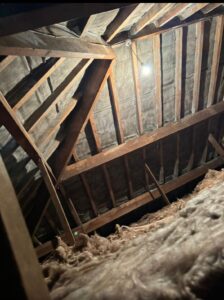
Roof timbers can deteriorate through prolonged moisture exposure, inadequate ventilation or existing defects.
When spray foam covers timber surfaces, signs of deterioration may become difficult to identify through visual inspection.
Potential concerns include:
Concealed timber decay.
Evidence of previous water penetration.
Moisture accumulation within roof components.
Existing structural defects.
Restricted access to important roof connections.
Importantly, spray foam insulation does not necessarily cause these problems. Nevertheless, it can make identifying existing defects more challenging.
In some circumstances, removing sections of insulation may allow contractors to examine previously concealed areas.
If you are planning a loft conversion, professional spray foam insulation removal could help provide the access needed for a more thorough structural assessment.
Many loft conversions require structural modifications to create sufficient headroom and accommodate additional living space.
Depending on the property, these alterations may involve reinforcing existing timbers, installing structural supports or modifying sections of the roof.
However, spray foam insulation adhering to roof components can make certain operations more difficult.
For example, contractors may need to expose existing rafters before installing additional structural elements. Where insulation covers these areas, removal may be necessary to provide suitable access.
Furthermore, some loft conversions involve installing roof windows or dormer extensions. These improvements can require alterations to existing roofing materials and supporting structures.
Spray foam insulation may need to be removed from affected sections before contractors can complete the work.
Nevertheless, the requirements will vary between properties. A qualified structural engineer or loft conversion specialist should determine which alterations are necessary and whether existing insulation presents an obstacle.
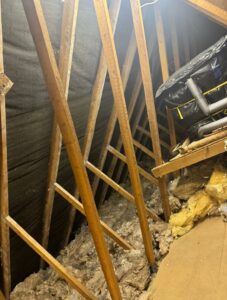
Adequate moisture management is an important consideration when converting a loft into a habitable room.
The roof must be designed to manage condensation and prevent excessive moisture accumulation within vulnerable components.
However, certain spray foam insulation installations can alter how air and moisture move through the roof structure.
For example, insulation applied directly beneath roofing materials may affect existing ventilation arrangements. Its suitability depends on the roof construction, insulation specification and overall design.
Poorly managed moisture can contribute to condensation and increase the risk of timber deterioration.
When converting a loft, contractors must consider how the proposed insulation and ventilation arrangements will perform once the space becomes habitable.
In some circumstances, existing spray foam insulation may be compatible with the proposed design. Alternatively, removing the insulation may allow contractors to establish a more suitable roof construction.
Therefore, homeowners should seek professional advice rather than assuming that existing spray foam insulation can remain in place without further assessment.
Spray foam insulation does not automatically need to be removed before every loft conversion.
Whether removal is necessary depends on several factors, including the type of insulation, its condition, the roof construction and the proposed building work.
For example, a conversion requiring extensive roof alterations may present different challenges from a project involving relatively minor modifications.
Professional removal may be appropriate when:
Existing insulation prevents adequate inspection of roof timbers.
Structural alterations require access to concealed components.
The proposed roof design is incompatible with the existing insulation arrangement.
Contractors need to expose roofing materials for repairs or modifications.
An assessment identifies moisture management concerns that require remedial work.
However, removal should follow a considered assessment rather than an assumption that all spray foam insulation is unsuitable.
A loft conversion specialist can establish the construction requirements, while an experienced spray foam removal company can advise on the practicalities of removing existing insulation.
If removal is recommended, Foam Away can provide a quotation for the necessary work.
Where spray foam insulation presents an obstacle to a proposed loft conversion, professional removal can be an important preparatory step.
Spray foam often adheres firmly to roof timbers and surrounding materials. Consequently, removing it can require considerable care, particularly where older roofing components are involved.
Attempting removal without suitable knowledge or equipment may damage vulnerable materials.
Professional spray foam insulation removal offers several potential benefits.
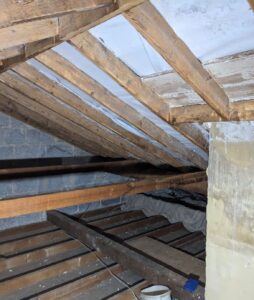
Removing insulation can expose previously concealed timber surfaces, allowing relevant professionals to undertake more detailed inspections.
This can help identify structural concerns that require attention before conversion work proceeds.
Where contractors need access to existing rafters or roofing components, removing spray foam can make the affected areas more accessible.
This may help simplify certain preparatory tasks, although additional repairs or cleaning could still be necessary.
Removing existing insulation may allow contractors to consider alternative insulation and ventilation arrangements suited to the proposed conversion.
However, the final specification should be determined by appropriately qualified building professionals.
Professional removal specialists can assess the insulation and select suitable removal methods.
Nevertheless, spray foam removal is not entirely without risk. Depending on the original application, some residue may remain, and certain materials may require further attention.
For this reason, obtaining an assessment before committing to removal is advisable.
Generally, homeowners should consult a loft conversion specialist before arranging extensive spray foam insulation removal.
A conversion specialist can assess the proposed project and establish which areas of the roof require inspection or alteration.
This information can help determine whether complete removal is necessary or whether targeted removal would be more appropriate.
A practical approach involves discussing your conversion plans, arranging an inspection of the existing roof and obtaining advice about any insulation that may obstruct the proposed work.
Once the requirements are understood, you can contact Foam Away to request a free quotation for professional spray foam insulation removal.
Taking this approach can help ensure that any removal work supports the wider conversion project rather than creating unnecessary expense.
If you are considering a loft conversion and have concerns about existing spray foam insulation, seeking professional guidance is an important first step.
At Foam Away, we provide professional spray foam insulation removal services for homeowners looking to address unwanted insulation within their roof spaces.
Whether spray foam is restricting access to roof timbers or creating difficulties for planned improvements, our team can discuss your removal requirements.
We understand that preparing for a loft conversion involves important decisions. Therefore, establishing the extent of the necessary removal work before construction begins can help you plan more confidently.
If your loft conversion specialist has recommended removing existing spray foam insulation, contact Foam Away to discuss your property and request a free quotation.
Yes, a loft containing spray foam insulation may still be suitable for conversion. However, the insulation can complicate structural inspections, roof alterations and ventilation arrangements. A qualified loft conversion specialist should assess the property before work begins.
Not necessarily. Removal depends on the existing roof construction, insulation type and proposed alterations. If spray foam restricts essential inspections or building work, professional removal may be recommended.
Yes. Spray foam insulation can conceal timber surfaces, making it difficult to identify existing deterioration, moisture damage or structural defects. Removing insulation from affected areas may allow a more thorough inspection.
Spray foam insulation does not automatically prevent Building Regulations approval. However, the completed conversion must satisfy applicable requirements, including structural safety, insulation and moisture management. Existing spray foam may require further assessment to establish whether the proposed roof design is suitable.
Trusted & verified on