0800 994 9026
enquiries@foam-away.com

Surveyors to Revise Guidance on Controversial Spray Foam Insulation

Trade Body for Independent Surveyors Retracts Guidance, Collaborates with Manufacturers to Reissue It

Independent Surveyors Trade Body RPSA Revises Guidance on Spray Foam Insulation problems

The Independent Surveyors trade body, RPSA, has reversed its stance on spray foam insulation.

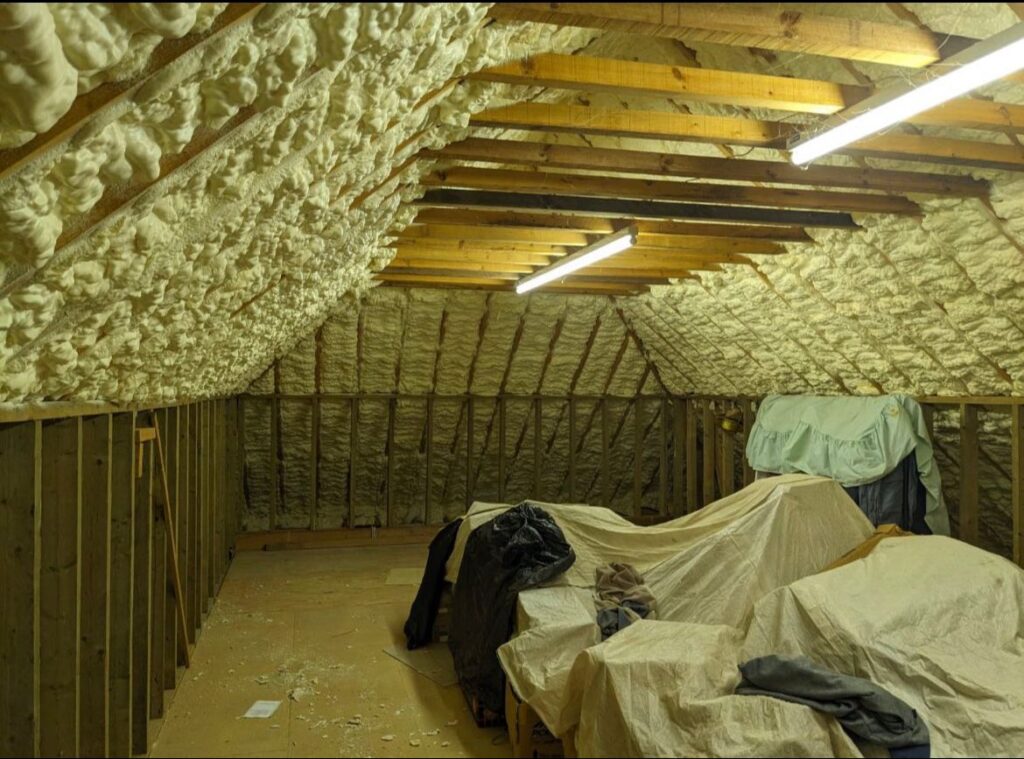
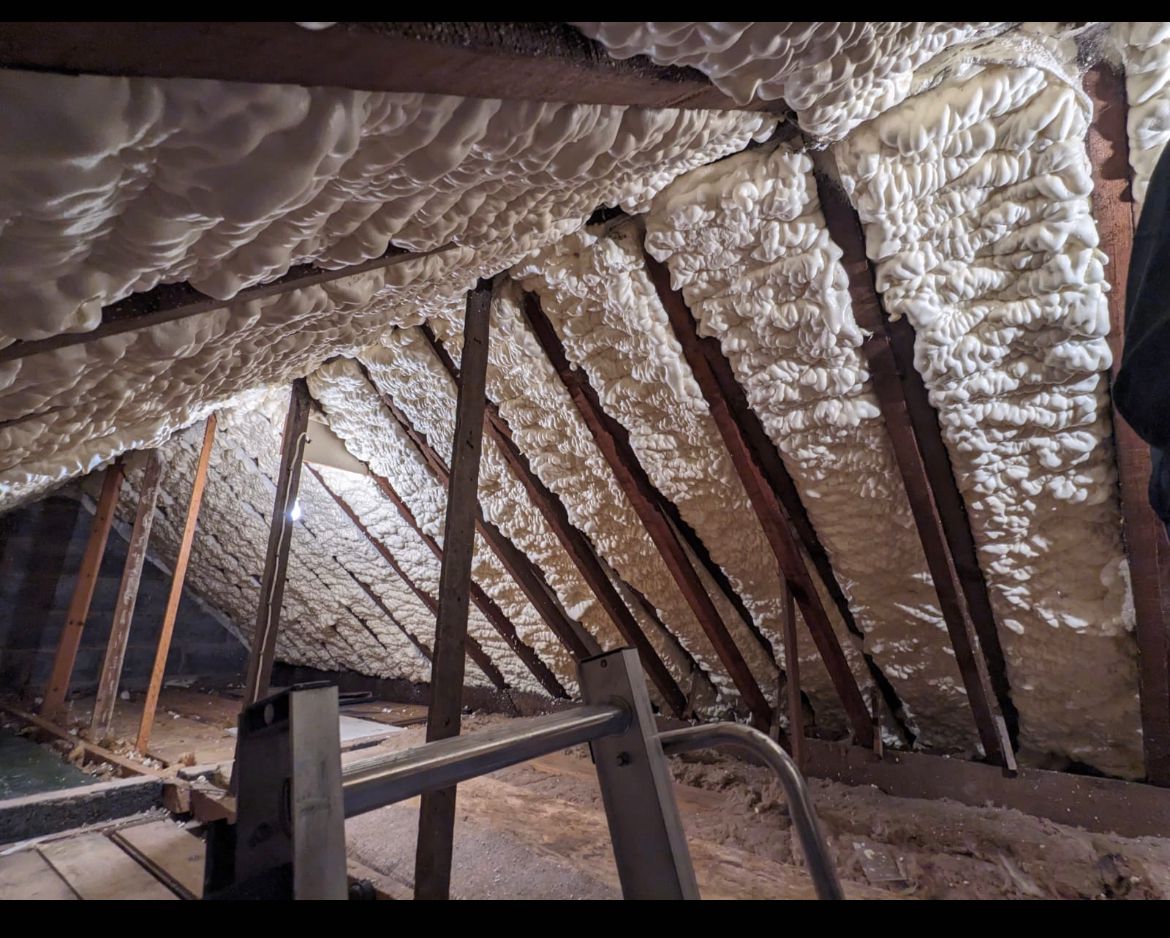
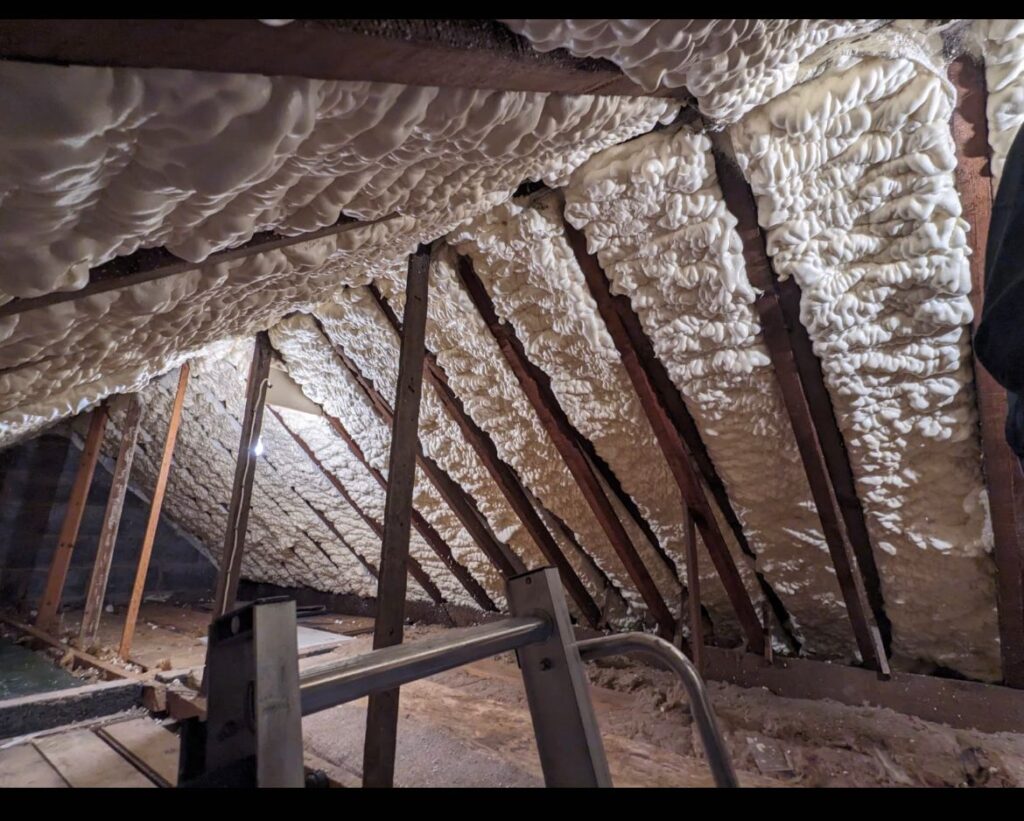
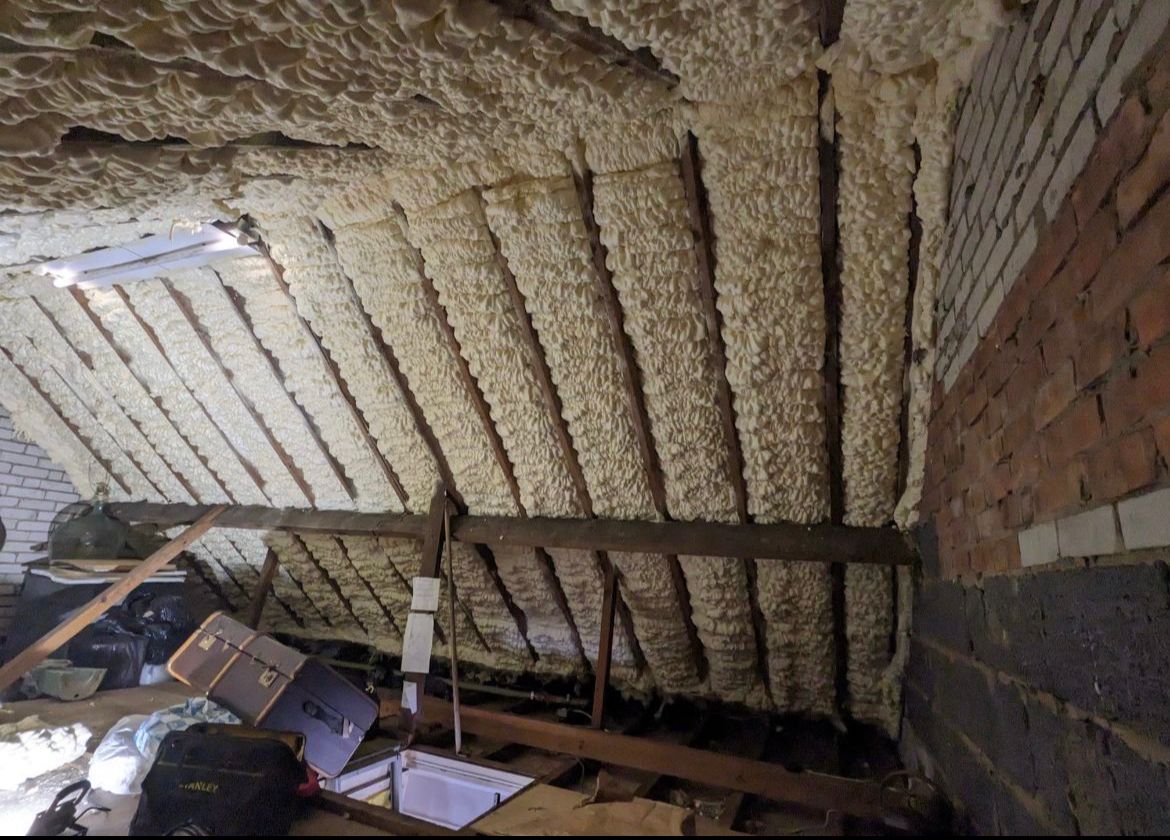
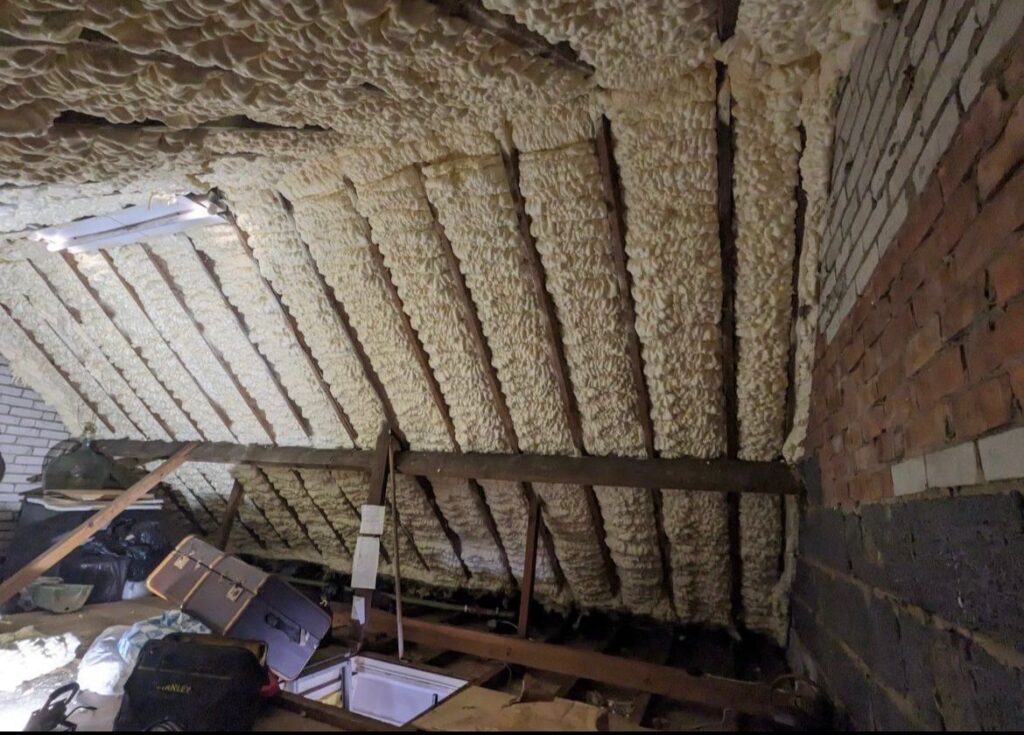
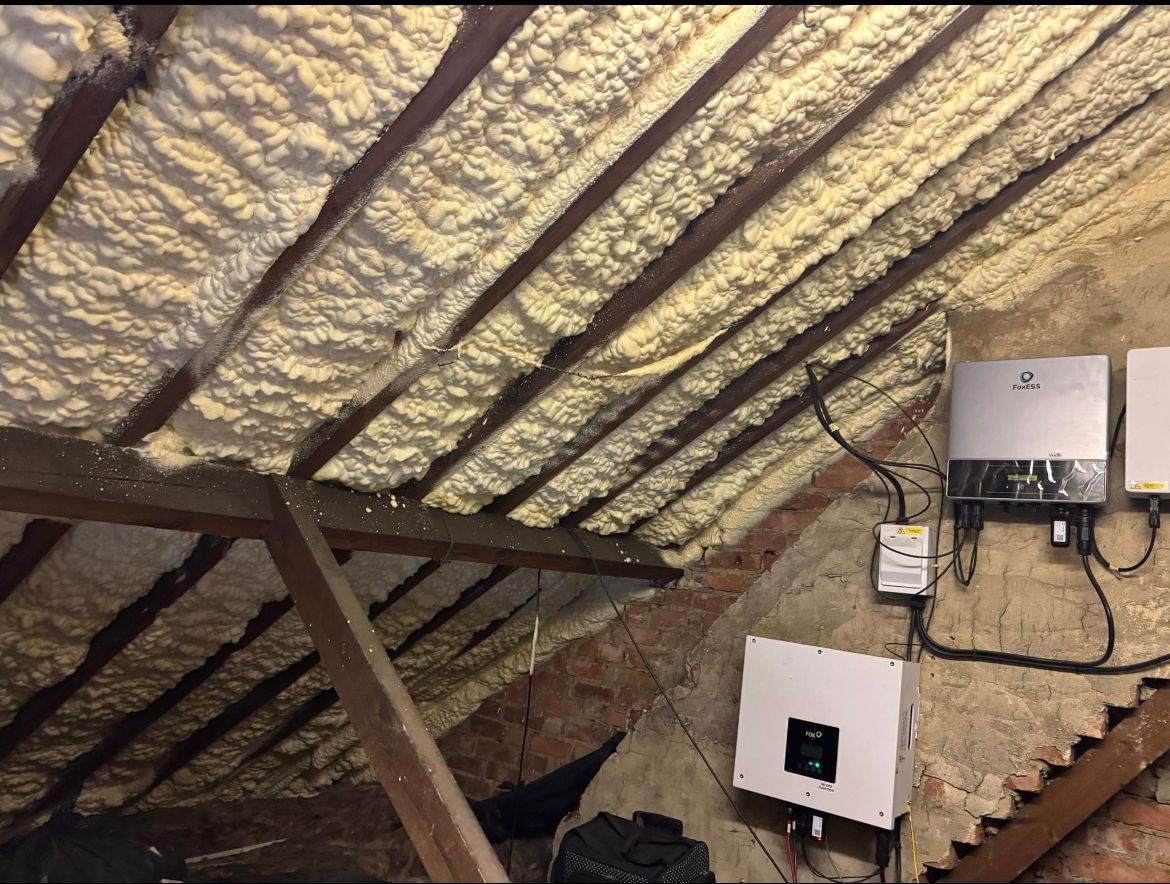
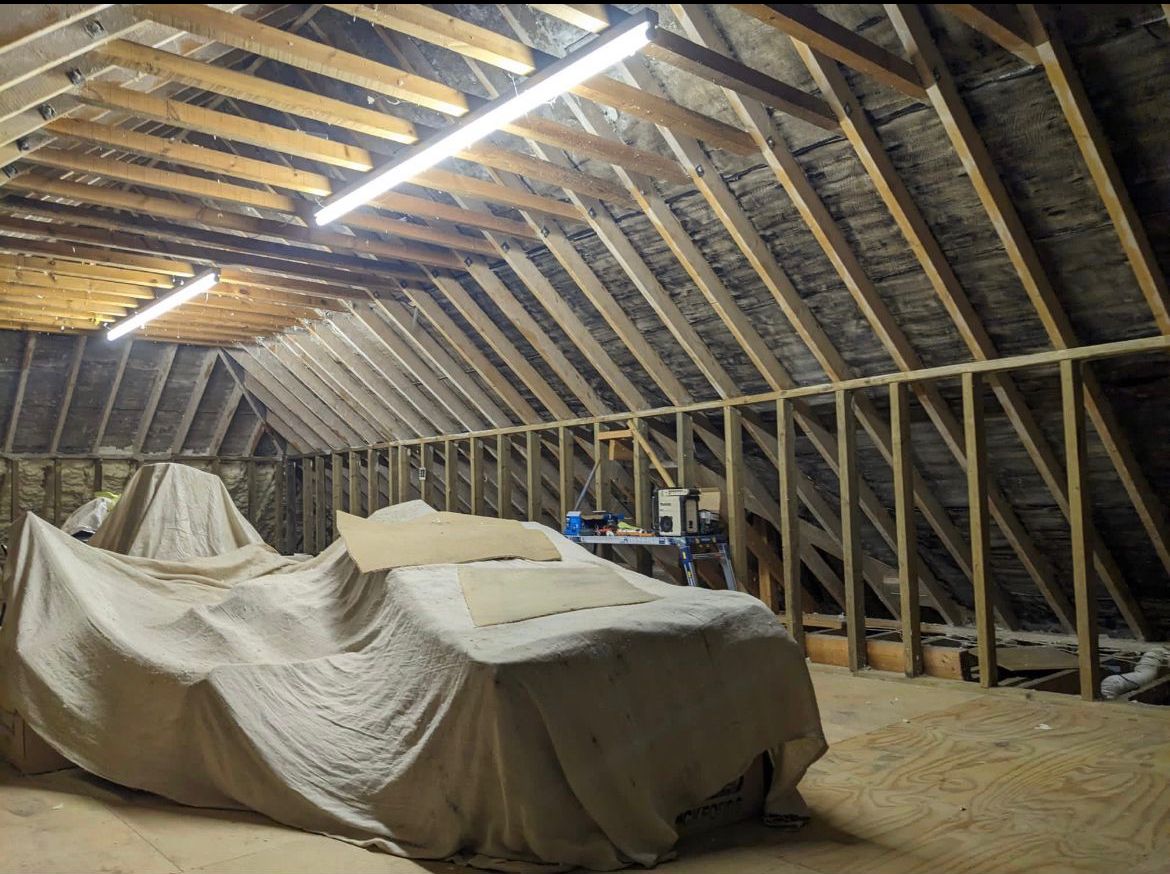
Spray Foam has been blamed for making approximately 250,000 homes ineligible for mortgages, as lenders fear its long-term effects. Many experts believe that spray polyurethane (PU) can cause damp issues within roofs, leading surveyors to often recommend its removal before a house purchase can proceed. This has tightened lending criteria and hindered many homeowners from selling their properties owing to spray foam insulation problems.

The RPSA (Residential Property Surveyors Association) has now retracted its guidance from December last year, which advised surveyors to recommend the removal of spray foam and replacement of the roof if no detailed technical information was available.

A group of stakeholders, supported by the Insulation Manufacturers Association (IMA) and including spray foam manufacturers and installers, surveyors, valuers, and lenders, is now collaborating to standardise installation procedures and develop inspection protocols to help with spray foam insulation problems.

Factually Inaccurate

Elizabeth Lalli-Reese, global vice-president of Huntsman Building Solutions, states, “We believe that the guidance issued by the RPSA in December 2021 was factually inaccurate, creating unwarranted concern among homeowners and lenders. We call for it to be retracted. Spray foam is a proven technology for making our homes more efficient and is a practical, sensible, and safe option for homeowners.”

Alan Milstein, Chairman of RPSA, now says that the RPSA is reviewing this guidance. He comments, “We recognize the concerns raised by Huntsman and are encouraged by the positive way all parties have approached this initiative. Therefore, we have agreed to retract our current guidance pending a full review. Our goal is to republish it based on the outcomes from the industry group by Spring 2023, providing our members with the detailed knowledge necessary to risk assess any spray foam installation.”


    Portsmouth Woman Devastated as Foam Insulation Scam Renders Her Home Virtually Worthless

    When Susan Brameld agreed to have spray foam roof insulation installed in her Hilsea home, she had no idea she was opening the door to a nightmare that would leave her home virtually worthless.

    The 78-year-old widow, now residing in Fareham, was cold called by a spray foam insulation company in 2019 who mis sold spray foam insulation and persuaded to spend £4,800 under a government backed ‘green deal’ scheme aimed at reducing energy bills.

    However, just two years later, she had to pay an additional £5,500 to have it removed after discovering she had been scammed and mis-sold spray foam insulation. Her three bedroom home, valued at £360,000, had become unsaleable.

    In poor health, she discovered the problem only when she decided to downsize to a two bedroom bungalow after the death of her husband, Arthur.

    Susan discovered that banks and other lenders were unwilling to provide financing to potential buyers for properties with timbered roof spaces sprayed with foam insulation.

    Spray foam insulation has been in use for around 30 years and has gained popularity over the last decade. However, property surveyors caution that the foam, which expands and dries solid, can restrict air circulation, leading to roof timber rot and putting stress on a building’s structure.

    Concerned that other homeowners might fall into the same mis-selling trap, Susan wanted to warn others that the only way to sell their home might be to spend thousands of pounds to have the foam removed.

    ‘I now know I was scammed by the sales patter,’ she said, ‘but the company who installed it went bust and the work wasn’t guaranteed. I found the so-called guarantees invariably didn’t extend to any damage caused by rogue workmanship or dodgy technology.

    ‘I was told that it was government approved, I’d save more than £500 a year, and the more than adequate fibreglass roof insulation in my loft was a health hazard about to be declared illegal.

    ‘I confess I was quite happy with the job at the time, but I’ve had to put up with endless worry and sleepless nights when potential homebuyers kept pulling out of the sale because they couldn’t get a mortgage following a surveyor’s valuation.

    ‘I was devastated when one interested buyer showed me a survey report which put the value of my home at zero after pointing out it hadn’t been inspected before the spray treatment and I’d been poorly advised.’

    Construction writer and former university building lecturer Jeff Howell told Streetwise that he had been warning readers for many years about the dangers of spraying foam insulation onto the underside of roof slates or tiles.

    He said, “The claims for the product are nonsense and can cause irreparable damage to timber battens and rafters. It’s a bad idea and goes against building regulations, which require a clear 50mm (two inch) ventilated air gap between the insulation and the tiles or slates. If anyone feels the product was mis-sold to them, they should discuss it with their local trading standards office.”

    The Residential Property Surveyors Association (RPSA) and the Property Care Association (PCA) have also strongly condemned the use of spray foam insulation, warning that it could make around 250,000 homes un-mortgageable or ineligible for equity release.

    They convened a forum of industry stakeholders to evaluate the use and implications of domestic spray foam insulation products. The forum concluded that unless surveyors receive detailed information from installers at the point of inspection—including the condition of the roof and its flashing before and after insulation, the type of foam used, and the quality of roof space ventilation no property professional would likely speculate on the potential risk.

    In a damning conclusion, they stated that they had “failed to identify any circumstances” where a roof with this insulation could be given a “clean bill of health.” The guidance to their members was to adopt a highly cautious approach, recommending the removal of spray foam in almost every case.

    The original government ‘green deal’ scheme folded in 2015 due to poor uptake, but it gave rise to numerous dubious companies looking to exploit the home energy improvement market.

    Insufficient provisions were made to protect consumers from incompetent or scam operators, as there were no stringent measures requiring these companies to have procedures in place to provide detailed pre- and post-installation records to satisfy a surveyor’s inspection.

    A subsequent government ‘green homes’ grant scheme also failed quickly, facing criticism for bureaucratic application procedures and the availability of cheaper finance through banks. RPSA chairman Alan Milstein publicly warned that installers often prey on older, vulnerable homeowners, using certifications and ‘quality’ badges to convince people that spray foam would benefit their property.

    He added, “Sadly, the exact opposite is true. Homeowners may find their property difficult or impossible to sell, as lenders may refuse to offer mortgages or equity release funds, and they may have to spend thousands of pounds replacing their entire roof covering.”

    A Streetwise investigation of Companies House records revealed that a large number of spray foam insulation companies emerged to take advantage of the government’s green deal scheme. Many of these companies have since folded or been struck off for failing to produce accounts. They often resort to ‘phoenixing’—a legal loophole that allows under-capitalized firms to abandon their debts and resume trading by setting up a new company with a name similar to the original.

    A spokesman for Hampshire Trading Standards said, “We are aware of various scams targeting homeowners, and we advise people to always be cautious when employing tradespeople for repairs or improvements. Many scams involve tactics that should raise alarm bells, including cold calling, pressure to sign up quickly, and spurious claims about government grants. People can find reliable, Trading Standards-approved and verified trade services using our Buy With Confidence scheme at www.buywithconfidence.gov.uk. Further guidance and advice are available from the Citizens Advice Consumer Service at 0808 223 1133 or www.citizensadvice.org.uk/consumer.”


      Increase in Spray Insulation Scams in South Gloucestershire and Gloucestershire

      Rogue installers are exploiting the opportunity to make doorstep and cold calls to vulnerable homeowners.

      Rise in Loft Spray Insulation Scams in South Gloucestershire and Gloucestershire

      South Gloucestershire Council, along with six other Gloucestershire authorities and Trading Standards, reports an increase in doorstep and cold-call scams targeting homeowners to invest in spray in insulation.

      Scammers are deceiving homeowners by claiming that their current insulation is either likely to cause damage or will soon become illegal. They then persuade homeowners to opt for an alternative spray in insulation, sold at inflated prices.

      These dishonest companies often use databases of people aged 70 and over, as well as lists of properties that already have loft spray foam insulation, to target potential victims. Commission based salespeople pose as expert surveyors and pressure homeowners into signing contracts for unnecessary and expensive work, which is often carried out within days to avoid cancellations.

      The councils’ home energy advice service, Warm and Well, encourages homeowners to stay vigilant and avoid feeling pressured into paying for any property upgrades.

      South Gloucestershire Council Cabinet Member for Adults and Housing, Cllr Ben Stokes, said: “Through our Warm and Well service, residents can access independent expert advice and, in many cases, grant funding for work that improves their property’s energy efficiency. This helps people make significant savings on energy bills and supports our efforts to tackle the climate emergency. Unfortunately, scams like this undermine confidence in legitimate insulation schemes, which rarely use doorstep selling tactics. Our advice is always to seek information independently and if you’re concerned you may have been targeted by a scam, contact Trading Standards via the Citizen’s Advice helpline.”

      In collaboration with the Trading Standards team at South Gloucestershire Council, Warm and Well has published advice on spotting and avoiding scams, available online at warmandwell.co.uk/scams.

      Bernadette Muldowney, who leads the Warm and Well team, explains the risks: “We love insulation! It is one of the best ways to reduce the energy needed to heat our homes and is a powerful tool in the fight against climate change. But this also opens the door for unscrupulous companies to take advantage of people’s best intentions by selling them unnecessary and expensive improvements. This not only incurs unnecessary costs but may also cause long-term damage to the property. We strongly encourage homeowners to stay vigilant, recognize the signs of scams, and seek independent advice rather than agreeing to unsolicited offers.”

      The Warm and Well service is delivered by local charity Severn Wye Energy Agency and funded by South Gloucestershire Council along with Cheltenham Borough Council, Cotswold District Council, Forest of Dean District Council, Gloucester City Council, Stroud District Council, and Tewkesbury Borough Council. Warm and Well offers free home energy advice and grant funding and can be contacted on freephone 0800 500 3076.


        Spray Foam Scam Targets Herefordshire Residents

        Herefordshire Council’s Trading Standards service is warning elderly residents to be cautious of spray loft insulation foam scams currently targeting the county.

        Unscrupulous companies are targeting residents with loft spray insulation foam at exorbitant prices. Repeat scams are being attempted on those who have already had the insulation installed. These homeowners are falsely informed that the spray foam has caused dangerously high moisture levels in their lofts. Fraudsters then sell them unnecessary solutions at grossly inflated prices, such as ventilation systems for £4,500, five times their actual value.

        Other residents have been misled into purchasing ‘roof coatings’ under the pretence that they are necessary for properties with spray foam insulation. This service involves jet washing roof tiles before applying a waterproof coating. Once again, this service is entirely unnecessary and vastly overpriced, costing up to £5,000.

        Herefordshire Council’s Trading Standards service manager, David Hough, says:

        “We believe many hundreds of local homeowners are being targeted at the moment. The scammers find their potential victims by using databases of those in their 70s and 80s. Spray foam loft insulation is simply not necessary and at best all homeowners require is a top up of their existing ceiling level insulation. The scammers also use lists of properties that have already had spray foam insulation fitted.

        “They then send a commission only salesman to the resident’s home, often pretending to be a qualified surveyor. The salesman then pressurises the homeowner to sign a contract for unnecessary, expensive work. This is carried out within days to minimise the chances of the homeowners cancelling the order,”


          Trusted & verified on

          Checkatrade
          AXA
          Bark
          City & Guilds
          Google Reviews
          Trustpilot
          Yell
          Checkatrade
          AXA
          Bark
          City & Guilds
          Google Reviews
          Trustpilot
          Yell