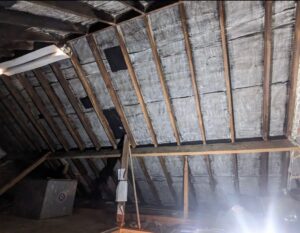
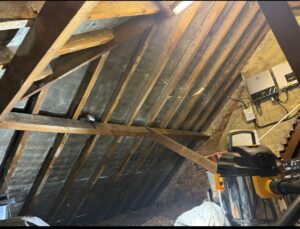
Once spray foam insulation has been removed, the appearance of your loft will depend on how the insulation was originally applied and the condition of the underlying roof.
Spray foam is commonly applied between roof rafters, where it expands and adheres to surrounding surfaces. Consequently, removing it can expose structural elements that may have remained hidden for several years.
Following professional removal, homeowners can generally expect greater visibility of the roof timbers, surrounding structural components and sections of the roof underlay, where present.
However, the finished appearance will vary between properties. Some roofs may have residual foam staining or small amounts of material adhering to surfaces, particularly where the insulation has bonded firmly to timber or roofing membranes.
Importantly, the objective of professional removal is not simply to improve the appearance of the loft. It is to remove the insulation appropriately while minimising unnecessary damage and allowing the roof structure to be assessed.
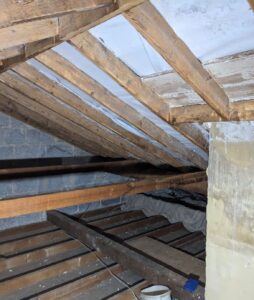
One of the most important benefits of removing spray foam insulation is the opportunity to inspect previously concealed roof timbers.
When insulation covers rafters and other structural components, identifying potential problems can become considerably more difficult.
The Royal Institution of Chartered Surveyors (RICS) explains that spray foam can restrict visibility of roof structures, potentially concealing leaks and timber deterioration.
After removal, an inspection may reveal evidence of moisture exposure, staining or timber decay that was not previously visible.
In some circumstances, poorly designed or incorrectly installed spray foam insulation can interfere with moisture management within a roof.
However, the presence of spray foam does not automatically mean that timber damage has occurred.
The condition of the roof will depend on several factors, including the original installation, ventilation arrangements, roof maintenance and whether moisture has entered the structure.
A suitably qualified surveyor or roofing specialist can assess any concerns and determine whether further investigation or remedial work is necessary.
Once the insulation has been removed, previously concealed rafters and other accessible structural elements can be examined more thoroughly.
This may help identify:
Signs of timber decay or deterioration.
Evidence of previous or ongoing water penetration.
Cracks, movement or other visible structural defects.
Areas requiring further investigation or professional repairs.
Discovering a problem does not necessarily mean that the entire roof needs replacing. Localised defects may be repairable, depending on their severity and the overall condition of the structure.
For homeowners arranging professional spray foam removal, understanding the condition of their roof afterwards is an important part of planning any necessary improvements.
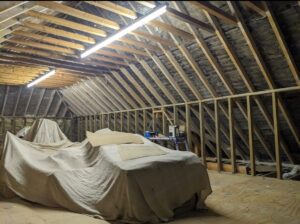
Adequate ventilation plays an important role in managing moisture within many traditional loft spaces.
Most conventional pitched roofs were designed with a ventilated roof void above insulation installed at ceiling level. This arrangement helps manage moisture and reduces the likelihood of condensation accumulating within the roof.
Applying spray foam beneath the roof covering can alter how the roof manages heat, air movement and moisture.
Following removal, it is therefore important to establish whether the original ventilation arrangements remain suitable.
Removing spray foam may uncover ventilation openings or areas where airflow was previously restricted.
However, removal alone does not guarantee that ventilation will be adequate.
Existing vents may remain blocked, while alterations made during the original insulation installation may require further attention.
A professional assessment can help determine whether additional ventilation measures are necessary.
The Property Care Association (PCA) highlights the importance of moisture management and suitable ventilation in roofs containing spray foam insulation.
Addressing these considerations after removal can help homeowners make informed decisions about the long term condition of their roof.
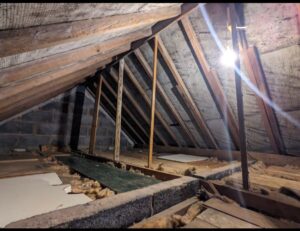
Another consideration following spray foam insulation removal is the condition of the roof membrane or felt.
These materials sit beneath the roof covering and help provide a secondary barrier against water entering the property.
When spray foam has been applied directly against roofing felt or membranes, separating the materials can be particularly challenging.
In some circumstances, removing firmly bonded insulation may cause damage to the underlay or reveal deterioration that was already present.
Whether repairs are necessary will depend on the type of material, its age, condition and the extent of any damage.
A roofing specialist may recommend localised repairs or more extensive work where the underlay can no longer perform its intended function.
However, replacing the entire roof membrane is not an automatic requirement following spray foam removal.
A professional assessment is the most reliable way to establish whether further roofing work is necessary.
Once spray foam has been removed, homeowners should consider whether their property still has adequate thermal insulation.
The answer depends largely on how the roof was previously insulated.
In some properties, mineral wool insulation may already be present between or above the ceiling joists. If this insulation remains suitable and provides sufficient thermal performance, additional work may be limited.
However, where spray foam was the principal source of roof insulation, removing it may leave the property with inadequate thermal protection.
Traditional mineral wool insulation is commonly used in conventional loft spaces because it can provide effective thermal protection when correctly installed.
For many homes, insulating at ceiling level is an appropriate way to reduce heat loss while maintaining a ventilated roof void.
Nevertheless, replacement insulation should be selected according to the property’s roof construction, existing ventilation and relevant building requirements.
Homeowners should avoid installing replacement insulation before any identified moisture problems or roofing defects have been addressed.
Foam Away can help homeowners explore their spray foam removal requirements and suitable replacement insulation options, allowing the loft to be considered as a complete system rather than treating removal as an isolated task.
For many UK homeowners, mortgage concerns are a significant reason for considering spray foam insulation removal.
Some lenders and surveyors have expressed concerns about spray foam installations because the material can conceal structural components and make it difficult to assess roof condition.
According to a January 2026 House of Commons Library briefing, some homeowners have experienced difficulties selling or remortgaging properties containing spray foam insulation.
Removing the material may make the roof structure more accessible for inspection and help address concerns raised during a property survey.
However, removal does not automatically guarantee mortgage approval.
Individual lenders apply their own criteria, while surveyors may require further evidence about the roof’s condition.
If you intend to sell or remortgage your property, maintaining accurate records of the removal work may prove useful.
Depending on the work undertaken, relevant documentation may include photographs taken before and after removal, invoices, details of the removal process and any subsequent roofing inspection reports.
Where timber repairs or replacement insulation have been completed, retaining evidence of this work may also assist future enquiries.
It is sensible to establish what documentation your mortgage lender, surveyor or conveyancer requires before commissioning work solely to resolve a lending concern.
This can help ensure that any proposed removal and subsequent inspections address the relevant issues.
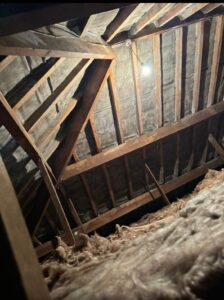
Spray foam insulation can adhere firmly to roof timbers, membranes and other surfaces. Removing it without appropriate experience can therefore be difficult and may cause unnecessary damage.
The process requires careful consideration of the roof’s construction, the type of foam installed and the condition of the surrounding materials.
Attempting removal without suitable equipment or expertise may damage roofing components or leave substantial amounts of insulation behind.
Professional removal specialists can assess the installation and select an appropriate removal method for the circumstances.
The PCA has also raised concerns about inappropriate sales practices within the spray foam removal industry, reinforcing the importance of choosing a reputable contractor and obtaining clear information before agreeing to work.
Homeowners should understand the proposed scope of removal, any limitations, the arrangements for clearing waste and whether further roofing assessments may be necessary.
Once the removal work is complete, the next priority is to establish whether the roof requires any additional attention.
If the exposed timbers and surrounding materials appear sound, and the ventilation and insulation arrangements are appropriate, extensive remedial work may not be necessary.
However, where concerns have been identified, these should be investigated before the loft is insulated again.
For homeowners preparing to sell or remortgage, this is also an appropriate time to arrange any independent inspection required by their lender or surveyor.
Taking these steps can help ensure that the removal work contributes to a more informed understanding of the property’s condition.
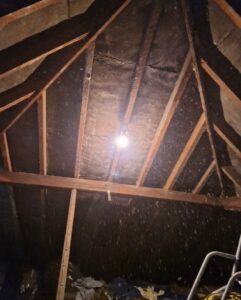
Removing spray foam insulation can be an important step towards making your roof structure accessible for inspection and addressing concerns about your property’s condition.
Whether you are preparing to sell your home, experiencing mortgage difficulties or concerned about the condition of your loft, professional advice can help you understand the options available.
At Foam Away, we provide professional spray foam insulation removal services for homeowners throughout the UK.
Our team can discuss your existing installation, explain the removal process and help you understand the next steps for your property.
Contact Foam Away today to discuss your requirements and request a quotation for professional spray foam insulation removal.
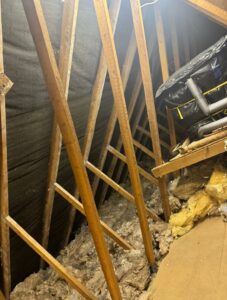
Professional removal aims to clear the spray foam from the relevant roof surfaces. However, the finished appearance depends on the type of insulation, how firmly it has bonded and the condition of the underlying materials. Some staining or residual material may remain where further removal could risk damaging the roof.
There is a risk of damaging roof timbers or other materials during removal, particularly where the foam has bonded firmly to surrounding surfaces. Experienced specialists use appropriate methods to minimise unnecessary damage, although the outcome depends on the original installation and roof condition.
Removing spray foam may help address certain moisture management problems, particularly where the insulation has restricted ventilation. However, condensation can have several causes. Appropriate ventilation, insulation and moisture control must still be assessed after removal.
Trusted & verified on