Many homeowners install spray foam insulation to improve energy efficiency and reduce heat loss. While the product can offer certain thermal benefits when correctly specified, it has also become the subject of increasing concern among surveyors, mortgage lenders and roofing professionals. One of the most significant issues relates to roof ventilation.
A healthy roof depends on a continuous flow of air through the roof space. Good ventilation allows moisture to escape, helps regulate temperature and protects the structural timbers from damp related damage. When spray foam insulation restricts this natural airflow, it can create an environment where condensation develops unnoticed, increasing the risk of mould growth and timber decay.
For many properties, professional spray foam removal can play an important role in restoring proper roof ventilation and allowing the roof to perform as originally intended. Understanding the relationship between insulation, airflow and moisture can help homeowners make informed decisions about the future of their property.
Roof ventilation is one of the most important yet overlooked aspects of a home’s construction. Every day, warm air generated from cooking, showering, washing and simply living inside a property rises into the loft. This air contains moisture that naturally seeks to escape.
A well ventilated roof allows this moisture laden air to leave the roof space before it condenses on colder surfaces. Without sufficient ventilation, water vapour settles on roof timbers, felt and other structural components.
Over time, this can lead to a variety of problems including:
Proper roof ventilation helps maintain a dry environment that protects both the structure of the property and the health of those living inside it.
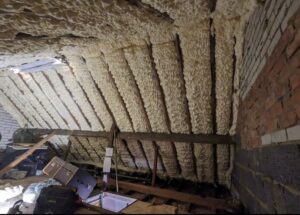
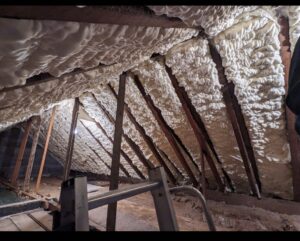
Traditional loft insulation sits on the floor of the loft while leaving the roof structure free to breathe. Spray foam insulation, however, is commonly applied directly to the underside of roof tiles or slates and surrounding timbers.
Depending on the type of foam and how it has been installed, this can significantly reduce the natural movement of air throughout the roof space.
By filling gaps and adhering directly to roofing materials, spray foam may block the pathways through which moisture would normally escape.
Without adequate airflow, trapped moisture has nowhere to go. As humidity builds, condensation becomes increasingly likely, particularly during colder months when temperature differences between inside and outside are greatest.
This does not necessarily mean every spray foam installation will cause ventilation issues, but poorly designed or incorrectly installed systems can create conditions that increase the likelihood of moisture related problems.
Condensation occurs when warm, moisture rich air comes into contact with a colder surface.
Within a roof space, this often happens beneath roof tiles or on exposed timber during the winter months.
If ventilation is restricted, the moisture remains trapped inside the loft rather than escaping naturally.
As condensation repeatedly forms, the roof structure remains damp for prolonged periods.
Persistent moisture can eventually lead to:
These issues often develop gradually and may remain hidden until a professional survey uncovers the damage.
In many cases, yes.
Removing spray foam insulation can restore the natural airflow that the roof was originally designed to have.
Once the foam has been carefully removed, ventilation openings can function properly again, allowing moisture to escape rather than becoming trapped inside the roof space.
Improved roof ventilation helps create a healthier environment by:
Every property is different, so the extent of any improvement depends on factors such as the original roof design, the type of spray foam installed and the overall condition of the property.
A professional inspection can determine whether spray foam removal is likely to improve ventilation and whether any additional ventilation measures would also be beneficial.
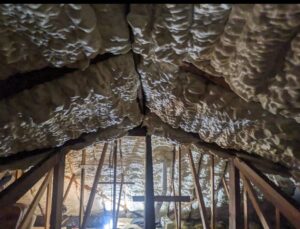
One of the greatest concerns surrounding spray foam insulation is its effect on the roof structure itself.
Because the foam bonds tightly to roof timbers and the underside of tiles or slates, it can conceal defects that would otherwise be visible during routine inspections.
Leaks, damaged tiles or decaying timber may remain hidden beneath the insulation for years.
When moisture becomes trapped behind the foam, timber can begin to deteriorate without obvious warning signs inside the home.
Professional spray foam removal allows roofing specialists to inspect the roof thoroughly and identify any maintenance that may be required before more serious structural damage develops.
This can provide valuable peace of mind while helping to extend the lifespan of the roof.
Spray foam removal requires specialist equipment, technical knowledge and considerable experience.
Attempting to remove spray foam without the correct techniques can damage roof timbers, roof tiles and supporting structures.
Professional removal specialists understand how different types of spray foam behave and use carefully developed methods to remove the material while protecting the roof wherever possible.
Experienced teams can also assess the condition of the roof once removal has been completed, identifying any repairs that may be necessary before new insulation is installed.
Choosing professional removal significantly reduces the risk of unnecessary damage and helps ensure the roof remains structurally sound.
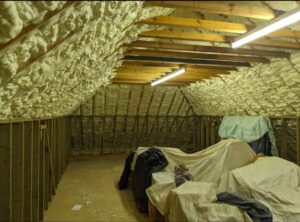
In recent years, spray foam insulation has attracted increased scrutiny from mortgage lenders and surveyors.
Some lenders are reluctant to approve mortgages on properties containing spray foam insulation because it can make it difficult to inspect the condition of the roof.
Surveyors may also recommend further investigations before a sale proceeds.
For homeowners looking to sell, remortgage or release equity, this can create delays and uncertainty.
Professional spray foam removal often allows surveyors to inspect the roof properly and provides greater transparency regarding its condition.
Although removal does not automatically guarantee mortgage approval, it frequently removes one of the major concerns associated with spray foam insulation.
Once the spray foam has been removed, homeowners have an opportunity to improve the overall performance of their roof.
Many choose to install modern insulation products that maintain excellent thermal performance while allowing the roof to breathe as intended.
Foam Away can advise on suitable alternatives, including Rockwool Insulation and SuperFOIL Insulation, both of which can contribute to an energy efficient home without compromising ventilation.
If roofing repairs are required, Roofing Solutions can also ensure the roof remains weatherproof and structurally secure before replacement insulation is installed.
Where eligible, homeowners may also benefit from the Spray Foam Re Claim service, helping them explore available options following professional removal.
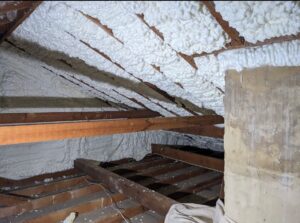
Many homeowners remain unaware of ventilation problems until visible damage begins to appear.
Some common warning signs include:
If your property has spray foam insulation and you notice any of these signs, arranging a professional inspection can help identify the underlying cause before more extensive repairs become necessary.
Foam Away specialises in professional spray foam removal carried out with care and precision.
The team understands the importance of preserving the roof structure while removing insulation safely and thoroughly.
Following removal, they can assess the condition of the roof, advise on suitable replacement insulation and help homeowners restore a healthy, well ventilated roof space.
Whether you are preparing to sell your property, resolving mortgage concerns or simply protecting your home for the future, professional advice can help you make the right decision.
Across Dorset and the South Coast, Foam Away provides trusted support to homeowners looking to improve roof ventilation and safeguard the long term condition of their property.
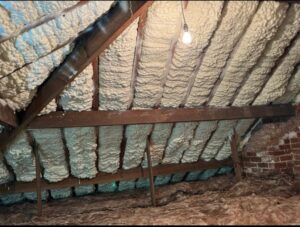
Good roof ventilation is essential for maintaining a dry, healthy and durable home. When airflow becomes restricted, moisture can accumulate within the roof space, increasing the risk of condensation, mould and timber decay.
While not every property with spray foam insulation will experience ventilation problems, professional spray foam removal can often restore natural airflow and allow the roof to perform as it was originally designed.
By removing the insulation safely, inspecting the roof thoroughly and installing suitable breathable alternatives where appropriate, homeowners can protect both their property and its long term value.
If you have concerns about spray foam insulation or would like expert guidance on improving roof ventilation, Foam Away can provide professional advice and tailored solutions throughout Dorset and the South Coast.
It can. Depending on how it has been installed, spray foam insulation may reduce natural airflow within the roof space, making it more difficult for moisture to escape.
In many cases, yes. Removing spray foam can restore airflow, reduce condensation and allow the roof space to ventilate more effectively.
Yes. When moisture remains trapped within the roof for extended periods, timber can become damp, creating conditions that encourage fungal decay and structural deterioration.
Some mortgage lenders have concerns about spray foam insulation because it can prevent thorough roof inspections. Professional removal may help address these concerns.
Suitable alternatives depend on the property, but breathable products such as Rockwool Insulation and SuperFOIL Insulation are often recommended because they provide effective insulation while supporting healthy roof ventilation.
Trusted & verified on