Many older properties possess a charm and character that modern homes simply cannot replicate. High ceilings, original timber features, solid brick walls and traditional construction methods all contribute to their appeal. However, these same characteristics can also make older homes more difficult to heat efficiently.
Homeowners throughout Bournemouth and Dorset frequently find themselves facing rising energy bills, cold rooms during winter and persistent draughts. In many cases, the underlying issue is inadequate or ageing insulation.
Choosing the right insulation material is especially important in period properties. Modern solutions that work perfectly in new builds may not always be suitable for older structures. Moisture movement, ventilation and breathability must all be carefully considered.
This raises an important question: is Rockwool insulation a good choice for older properties?
For many homeowners, the answer is yes.
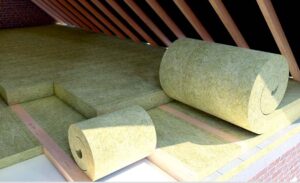
Rockwool is a type of mineral wool insulation manufactured from natural volcanic rock and recycled materials. The raw materials are heated to extremely high temperatures before being spun into dense fibres that are formed into slabs, rolls and insulation boards.
The resulting product offers several desirable characteristics that make it popular across both residential and commercial construction projects.
Rockwool is commonly used in:
Unlike some insulation materials, Rockwool combines thermal performance with excellent acoustic and fire resistant properties.
Traditional buildings behave very differently from modern homes.
Many Victorian and Edwardian properties were constructed using solid walls rather than cavity walls. These structures naturally allow moisture to move through the building fabric. This process helps maintain a healthy internal environment and protects timber and masonry components from long term deterioration.
Problems can occur when inappropriate insulation materials trap moisture within walls, roof spaces or floors.
This is why breathability is such an important factor when selecting insulation for older homes.
A suitable insulation system should:
Rockwool performs well in many of these areas, making it a strong candidate for traditional properties.
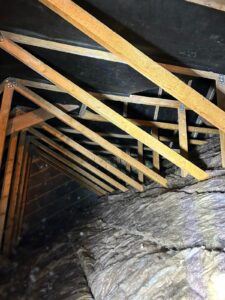
One of the primary reasons homeowners choose Rockwool insulation is its ability to reduce heat loss.
Heat escaping through the roof accounts for a significant proportion of energy waste in many older homes. Properly installed Rockwool insulation can help create a more stable indoor temperature throughout the year.
This means:
For homeowners across Bournemouth and Dorset looking to reduce energy consumption, this can make a noticeable difference.
Safety is a major consideration in any property.
Because Rockwool is manufactured from stone, it is naturally non combustible. It can withstand extremely high temperatures without contributing to the spread of fire.
This makes it one of the safest insulation materials available.
For older properties containing original timber structures, enhanced fire protection can provide valuable peace of mind.
Many period homes feature timber floors and lightweight internal partitions that allow sound to travel easily between rooms.
Rockwool’s dense fibre structure absorbs sound exceptionally well.
Benefits include:
This can be particularly beneficial in urban areas of Bournemouth, Poole and Christchurch where external noise levels may be higher.
One of Rockwool’s most significant advantages for older buildings is its ability to help manage moisture.
Traditional homes require building materials that work with the natural movement of moisture rather than blocking it completely.
Rockwool does not readily absorb water in the same way as some insulation materials. At the same time, its structure allows water vapour to pass through more freely.
When incorporated into a properly designed insulation system, this can help reduce condensation related issues whilst maintaining a healthier indoor environment.
Many insulation products can degrade over time.
Rockwool is known for its durability and dimensional stability. It does not slump significantly and maintains its insulating performance for many years when installed correctly.
This longevity makes it an attractive investment for homeowners seeking lasting improvements rather than short term fixes.
Sustainability is becoming increasingly important for homeowners.
Rockwool contains recycled content and is manufactured from abundant natural materials. Its long lifespan further contributes to its environmental credentials.
By reducing heat loss and lowering energy consumption, Rockwool can also help decrease a property’s overall carbon footprint.
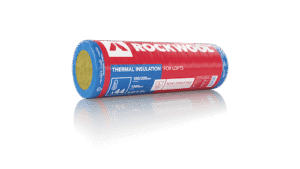
Whilst Rockwool offers many advantages, no insulation material is perfect for every situation.
One consideration is installation. Rockwool is denser and heavier than some alternatives, which can make installation more labour intensive. Professional fitting is often advisable, particularly in older properties where ventilation and moisture management require careful planning.
Cost can also be a factor. Rockwool may have a higher initial purchase price than some basic insulation products. However, many homeowners consider the additional investment worthwhile due to its durability, fire resistance and acoustic performance.
It is also important to remember that insulation should always form part of a wider strategy. Simply adding insulation without addressing ventilation, damp issues or existing defects may not achieve the desired results.
In many cases, yes.
Victorian and Edwardian homes were designed to function differently from modern buildings. Solid walls, lime mortars and natural ventilation pathways all contribute to how these properties manage moisture.
Rockwool’s breathable characteristics often make it more compatible with traditional construction than some less permeable alternatives.
That said, every property is different.
Listed buildings and homes located within conservation areas may be subject to specific requirements. Before undertaking insulation works, homeowners should seek professional advice to ensure any improvements remain sympathetic to the building’s character and comply with local regulations.
A professional insulation assessment can help identify the most appropriate solution for the property whilst avoiding unintended consequences.
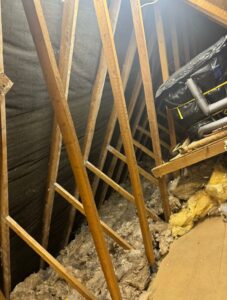
Many homeowners assume their property is performing efficiently when, in reality, significant heat loss is occurring.
Common warning signs include:
If you recognise several of these symptoms, an insulation assessment may identify opportunities to improve comfort and reduce energy costs.
One issue that has become increasingly common in recent years is the presence of spray foam insulation within roof spaces.
Whilst spray foam insulation was often marketed as an effective solution, many homeowners have since encountered unexpected complications.
Mortgage lenders and surveyors are now raising concerns about certain spray foam installations. In some cases, spray foam can restrict access to roof timbers, making inspections difficult. Concerns have also been raised regarding ventilation and the long term condition of roofing structures.
As a result, homeowners looking to sell or remortgage their property may be advised to remove existing spray foam insulation.
This is where specialist expertise becomes essential.
My FoamAway helps homeowners throughout Bournemouth and Dorset safely remove spray foam insulation and restore roof spaces to a condition that lenders, surveyors and prospective buyers are more comfortable with.
Following removal, suitable insulation solutions such as Rockwool can often be considered as part of a wider improvement strategy.
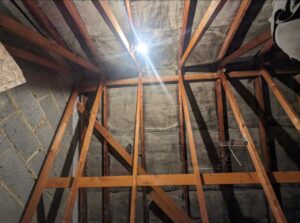
Insulation decisions should never be based on guesswork.
Every property is different, particularly older homes where traditional construction methods demand a thoughtful and informed approach.
Homeowners across Dorset choose My FoamAway because of the company’s commitment to providing honest advice and practical solutions.
Clients benefit from:
Rather than promoting a one size fits all solution, My FoamAway helps homeowners understand the options available and select the most appropriate route forward.
Making changes to your home’s insulation is a significant investment. Choosing a company with genuine expertise matters.
My FoamAway has developed a strong reputation for helping homeowners resolve insulation challenges, particularly those involving problematic spray foam installations.
The team understands the unique requirements of older properties and recognises that preserving a building’s character is just as important as improving energy efficiency.
By combining practical experience with a commitment to honest advice, My FoamAway helps homeowners make informed decisions that support the long term health and value of their properties.
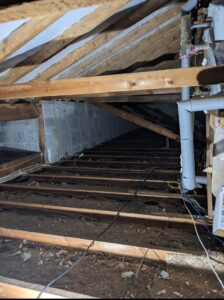
So, is Rockwool insulation a good choice for older properties?
For many homeowners, the answer is undoubtedly yes.
Rockwool offers an impressive combination of thermal performance, fire resistance, sound reduction and moisture management. These qualities make it particularly well suited to many Victorian, Edwardian and traditional homes where breathability and durability are essential considerations.
However, every property has its own requirements. Before undertaking any insulation project, it is important to assess the building as a whole and ensure any improvements are compatible with its construction and condition.
If you own an older property in Bournemouth, Poole, Christchurch, Wimborne, Ferndown or elsewhere in Dorset and would like expert guidance on insulation options or spray foam removal, contact My FoamAway today. Our experienced team can assess your property, answer your questions and help you find the most appropriate solution for your home.
Trusted & verified on