Spray foam insulation has become one of the most controversial topics in the UK property market. Once promoted as an efficient way to improve energy performance and reduce heat loss, it is now increasingly linked to mortgage complications, roof damage, condensation issues, and expensive remedial work.
For many homeowners across Dorset, the problem often begins quietly. A loft that once felt dry and ventilated suddenly develops signs of trapped moisture. Roof timbers begin to darken. A musty smell appears. Condensation gathers where it never used to. Then comes the survey report warning of potential concerns surrounding spray foam insulation.
The question many homeowners ask is simple. Can spray foam insulation actually cause damp and condensation issues?
The answer is yes, it can. However, the reasons are often more complex than people realise.
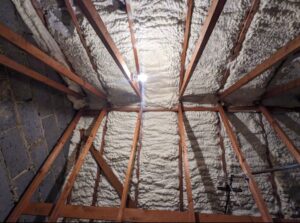
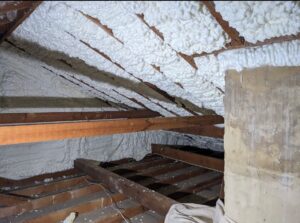
Traditional loft spaces are designed to breathe. Air moves naturally through the roof structure, helping moisture escape before it can build up and create problems. When spray foam insulation is applied directly to the underside of roof tiles or felt, that airflow can become restricted.
Without proper ventilation, moisture generated inside the home has nowhere to escape. Everyday activities such as cooking, showering, drying clothes indoors, and even breathing release water vapour into the air. Over time, that moisture rises into the loft space.
If the roof can no longer ventilate correctly, condensation issues can begin to develop.
This trapped moisture may eventually lead to:
The severity of the issue often depends on the type of spray foam used and the quality of the installation.
Not all spray foam insulation behaves in the same way.
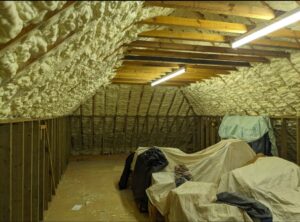
Open cell spray foam is softer and more breathable. It allows some moisture movement through the material, which can reduce the likelihood of trapped condensation. However, it can still create ventilation concerns if incorrectly installed.
Closed cell spray foam is far denser and more rigid. It forms a much tighter seal and is significantly less breathable. While this can improve thermal efficiency, it also increases the risk of moisture becoming trapped within the roof structure.
Many surveyors and roofing specialists consider closed cell foam particularly problematic because it can conceal timber deterioration and make roof inspections extremely difficult.
In some cases, the foam adheres so aggressively to tiles and timber that future repairs become highly complicated and costly.
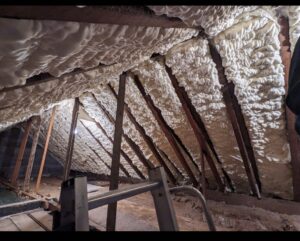
One of the most concerning aspects of spray foam insulation is that problems can remain hidden for years.
Unlike traditional loft insulation, spray foam creates a sealed layer against the roof structure. Moisture can build silently behind the foam without immediately visible signs.
By the time symptoms appear, significant damage may already exist.
Homeowners should look out for warning signs such as:
Some homeowners only discover the issue when attempting to sell or remortgage their property.
In recent years, mortgage lenders across the UK have become increasingly cautious about properties containing spray foam insulation.
Major concerns include:
Surveyors frequently flag spray foam insulation during property inspections, particularly when it has been applied directly to roof felt or tiles.
In Dorset and across the wider UK, many homeowners have experienced mortgage refusals or delays because lenders consider spray foam insulation a potential risk.
Some lenders may still approve mortgages where spray foam exists, but conditions are often stricter and additional specialist surveys may be required.
This has created growing concern among homeowners who installed spray foam years ago without being informed of possible future complications.
Absolutely.
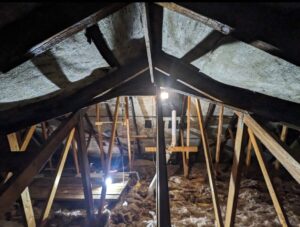
Even breathable insulation products can create serious condensation issues if installed incorrectly.
Some common installation problems include:
Older homes in Dorset can be especially vulnerable because many traditional roof structures were never designed to function as sealed environments.
Properties that once relied on natural ventilation can suddenly experience dramatic changes in moisture behaviour after spray foam installation.
Unfortunately, many homeowners were sold spray foam as a universal solution without being fully informed about the importance of proper ventilation design.
Condensation itself is not always the greatest danger. The real concern is prolonged moisture exposure.
When roof timbers remain damp for extended periods, fungal decay and rot can develop. Over time, structural timber may weaken significantly.
This is one reason surveyors are particularly cautious around spray foam insulation.
The foam can prevent proper inspection of rafters and roof coverings, making it difficult to identify underlying deterioration until major problems emerge.
In severe cases, homeowners may face:
These costs can quickly become substantial.
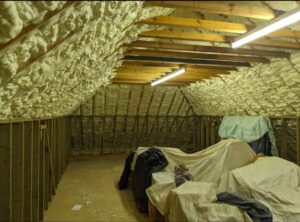
No. Not every spray foam installation will lead to condensation or damp problems.
Some installations perform without issue for years, particularly when:
However, the difficulty lies in predicting which installations may become problematic over time.
Because so many variables affect moisture movement within a building, even seemingly successful installations can later develop issues under changing environmental conditions.
This uncertainty is precisely why lenders and surveyors remain cautious.
If you suspect spray foam insulation may be causing condensation issues, early action is essential.
Ignoring moisture problems rarely leads to improvement. In fact, trapped condensation often worsens gradually over time.
Homeowners should consider arranging a professional inspection if they notice:
A specialist assessment can determine whether ventilation improvements, partial removal, or full spray foam insulation removal may be necessary.
In many cases, yes.
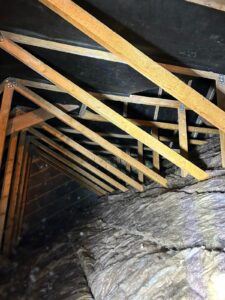
Professional spray foam removal can help restore natural airflow within the roof structure, allowing trapped moisture to escape more effectively.
Removal may also allow roof timbers to dry naturally and enable proper structural inspections to take place.
However, removal should always be carried out carefully and professionally.
Improper removal techniques can damage roof felt, tiles, and timber structures. This is particularly true with closed cell spray foam, which bonds aggressively to surfaces.
Following removal, many properties benefit from:
The goal is not simply to remove the foam but to restore the roof to a healthy and breathable condition.
A growing number of Dorset homeowners are encountering the same frustrating situation.
A property owner installs spray foam insulation to improve energy efficiency. Years later, they attempt to sell or remortgage the property. During the survey, concerns are raised regarding roof ventilation and potential hidden damp.
The lender requests specialist reports. Buyers become hesitant. Mortgage approval slows or fails entirely.
Further inspection reveals elevated moisture levels or signs of condensation around roof timbers.
At this stage, homeowners often realise the original installation created far more complications than expected.
This scenario has become increasingly common across the UK property market.
The most important step any homeowner can take is understanding how moisture behaves within a property.
A healthy roof space must balance:
When one of these elements is disrupted, condensation issues can begin to emerge.
If spray foam insulation is already present, regular inspections become extremely important. Monitoring loft conditions and identifying early warning signs may help prevent more severe damage later.
For homeowners considering installation, seeking genuinely independent advice is essential before proceeding.
Spray foam insulation can cause damp and condensation issues, particularly where ventilation has been compromised or installation standards were poor.
While not every installation results in problems, the growing concerns from surveyors, mortgage lenders, and roofing specialists cannot be ignored.
For many homeowners, the biggest issue is not simply the insulation itself but the hidden moisture risks it can create over time.
Understanding the warning signs early and seeking professional guidance can help protect your property, your roof structure, and your future mortgage options.
If you are concerned about spray foam insulation, condensation issues, or mortgage survey complications, FoamAway can provide professional advice, inspections, and specialist removal solutions throughout Dorset and the surrounding areas.
Yes. Spray foam insulation can restrict airflow within roof spaces, allowing moisture to become trapped and increasing the risk of condensation issues.
Many lenders are concerned about hidden damp, timber decay, and the difficulty of inspecting roof structures beneath spray foam insulation.
If moisture becomes trapped for prolonged periods, damp roof timbers and fungal decay can develop over time.
Professional spray foam removal can often improve ventilation and reduce trapped moisture, particularly when combined with suitable roof ventilation improvements.
Common warning signs include mould growth, musty smells, water staining, condensation, and darkened roof timbers.
Trusted & verified on